101st Airborne Division: A Comprehensive Guide to the Elite Fighting Force
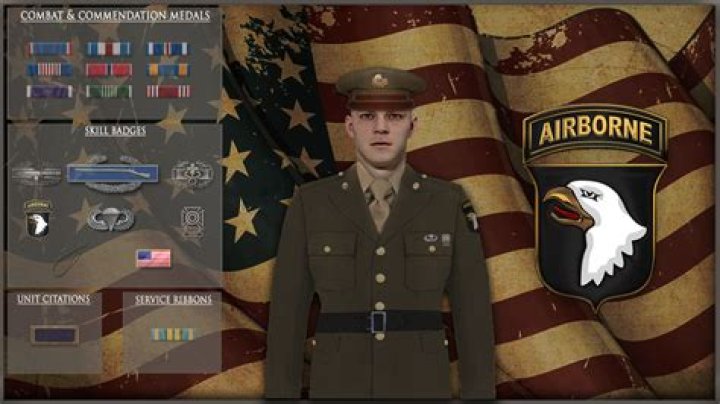
The 101st Airborne Division, commonly known as the "Screaming Eagles," has earned its place in history as one of the most decorated and versatile units in the United States Army. Established during World War II, this division has played a crucial role in numerous military operations around the globe. Its reputation as an elite fighting force is built on bravery, innovation, and adaptability.
The 101st Airborne Division continues to evolve while maintaining its core values and traditions. From its inception to modern-day operations, this division has consistently proven its ability to overcome challenges and achieve mission success. This article will delve into the history, structure, and significance of the 101st Airborne Division, providing a detailed overview of its contributions to military history.
Whether you're a history enthusiast, a military professional, or simply curious about the legacy of this iconic unit, this article will offer valuable insights into the 101st Airborne Division. Let's explore the rich history and enduring legacy of the "Screaming Eagles."
The History of the 101st Airborne Division
The 101st Airborne Division was officially activated on August 16, 1942, at Camp Claiborne, Louisiana. Initially designated as a training unit for airborne soldiers, the division quickly transitioned into a combat-ready force. Its first major deployment came during World War II, where it played a pivotal role in the D-Day invasion and subsequent operations in Europe.
World War II Contributions
During World War II, the 101st Airborne Division participated in several key battles, including the Battle of Normandy, Operation Market Garden, and the Battle of the Bulge. These operations showcased the division's ability to execute complex airborne assaults and maintain strategic superiority on the battlefield.
Statistics show that the division suffered significant casualties but achieved remarkable success in its missions. According to the U.S. Army Center of Military History, the 101st Airborne Division earned numerous commendations for its bravery and effectiveness during this period.
Organizational Structure of the Division
The organizational structure of the 101st Airborne Division reflects its commitment to flexibility and adaptability. The division is divided into several brigades, each specializing in specific combat roles. This modular structure allows the division to respond quickly to various operational requirements.
Brigade Composition
- 1st Brigade Combat Team (Airborne)
- 2nd Brigade Combat Team (Airborne)
- 3rd Brigade Combat Team (Airborne)
- Division Special Troops Battalion
Each brigade is equipped with state-of-the-art technology and trained personnel, ensuring the division remains at the forefront of military innovation.
Key Military Operations Involving the 101st Airborne Division
Throughout its history, the 101st Airborne Division has participated in numerous military operations, both during wartime and in peacekeeping missions. Below are some of the most notable operations:
Operation Desert Storm
During the Gulf War, the 101st Airborne Division was deployed as part of Operation Desert Storm. The division's helicopter assault capabilities were instrumental in securing key objectives and supporting ground forces.
Operation Iraqi Freedom
In the early 2000s, the 101st Airborne Division played a critical role in Operation Iraqi Freedom. The division's ability to conduct rapid deployments and sustain operations over extended periods proved invaluable in achieving mission success.
The Modern Role of the 101st Airborne Division
In today's complex geopolitical landscape, the 101st Airborne Division continues to adapt and evolve. The division's primary role is to provide rapid response capabilities in support of national security objectives. This includes conducting airborne assaults, securing key infrastructure, and engaging in counter-insurgency operations.
Global Reach and Impact
The division's global reach extends beyond combat operations. It actively participates in humanitarian missions, disaster relief efforts, and peacekeeping initiatives. This multifaceted approach underscores the division's commitment to serving both military and civilian communities.
Training and Development Programs
The success of the 101st Airborne Division is largely attributed to its rigorous training programs. Soldiers undergo extensive training in airborne operations, urban combat, and survival skills. The division also emphasizes leadership development and teamwork, ensuring that every soldier is prepared for the challenges of modern warfare.
Advanced Training Facilities
The division operates several advanced training facilities, including the Joint Readiness Training Center (JRTC) and the National Training Center (NTC). These facilities provide realistic training scenarios, enabling soldiers to hone their skills in a controlled environment.
Equipment and Technology
The 101st Airborne Division is equipped with some of the most advanced military technology available. This includes a fleet of UH-60 Black Hawk helicopters, AH-64 Apache attack helicopters, and M1A2 Abrams tanks. The division also utilizes cutting-edge communication systems and surveillance equipment to enhance its operational capabilities.
Technological Advancements
Recent advancements in drone technology and artificial intelligence have further enhanced the division's ability to gather intelligence and execute missions with precision. These innovations ensure that the 101st Airborne Division remains a leader in military technology.
Notable Heroes and Leaders
The 101st Airborne Division has produced numerous heroes and leaders throughout its history. These individuals have demonstrated exceptional bravery and leadership in the face of adversity. Below are some of the most notable figures associated with the division:
General Maxwell D. Taylor
General Maxwell D. Taylor served as the commander of the 101st Airborne Division during World War II. His leadership and strategic vision were instrumental in the division's success during the Battle of the Bulge and other key operations.
The Legacy of the 101st Airborne Division
The legacy of the 101st Airborne Division is one of bravery, innovation, and service. The division's contributions to military history have earned it a place of honor among the world's elite fighting forces. Its commitment to excellence and adaptability ensures that it will continue to play a vital role in shaping the future of military operations.
Recognitions and Awards
The 101st Airborne Division has received numerous awards and recognitions for its service, including the Presidential Unit Citation and the Valorous Unit Award. These honors reflect the division's dedication to upholding the highest standards of military excellence.
Challenges Faced by the Division
Despite its successes, the 101st Airborne Division faces several challenges in the modern era. These include budget constraints, technological advancements, and evolving threats in the global security landscape. Addressing these challenges requires continued investment in training, equipment, and personnel development.
Strategic Adaptations
The division has implemented several strategic adaptations to address these challenges, including partnerships with allied nations and the integration of new technologies. These efforts ensure that the division remains a formidable force in the face of emerging threats.
The Future of the 101st Airborne Division
Looking ahead, the future of the 101st Airborne Division is bright. The division continues to innovate and adapt to the changing demands of modern warfare. Its commitment to excellence and service ensures that it will remain a cornerstone of U.S. military power for years to come.
Preparing for the Future
To prepare for the future, the division is investing in advanced training programs, cutting-edge technology, and strategic partnerships. These initiatives will enable the division to maintain its status as one of the world's most elite fighting forces.
Conclusion
In conclusion, the 101st Airborne Division has established itself as a symbol of military excellence and innovation. From its storied history to its modern-day operations, the division continues to make significant contributions to national security and global stability. As the division looks to the future, its commitment to adaptability and excellence will undoubtedly ensure its continued success.
We invite you to share your thoughts and insights in the comments section below. For more information on the 101st Airborne Division and related topics, explore our other articles and resources. Together, let's continue to honor and support the brave men and women who serve in this iconic unit.