44th US President: A Comprehensive Look at Barack Obama's Leadership
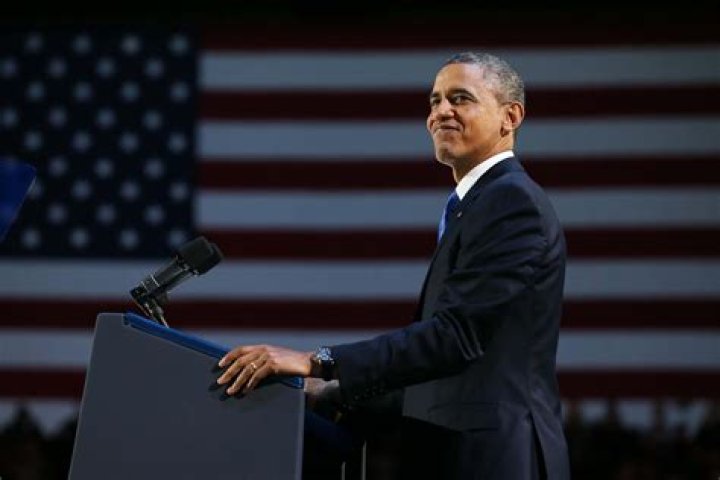
The 44th US President, Barack Obama, remains one of the most influential leaders in modern history. His presidency marked a significant turning point for America and the world. From groundbreaking policies to historic milestones, Obama's leadership has left an indelible mark on global politics and society. This article delves deep into his life, career, and legacy, providing valuable insights for readers.
As the first African American president of the United States, Barack Obama's journey to the White House was nothing short of extraordinary. His ability to unite people across political divides and inspire millions around the globe made him a symbol of hope and change. During his two terms in office, he implemented numerous reforms that reshaped American governance and addressed critical issues such as healthcare, climate change, and economic recovery.
This article explores the life and achievements of the 44th US President, focusing on his leadership style, policy initiatives, and enduring legacy. By examining key moments in his presidency and analyzing their impact, we aim to provide a comprehensive understanding of Barack Obama's contribution to shaping the modern world.
Biography
The 44th US President, Barack Hussein Obama II, was born on August 4, 1961, in Honolulu, Hawaii. His diverse background played a crucial role in shaping his worldview and leadership style. Below is a brief overview of his personal and professional life:
Personal Data
| Full Name | Barack Hussein Obama II |
|---|---|
| Date of Birth | August 4, 1961 |
| Place of Birth | Honolulu, Hawaii |
| Parents | Stanley Ann Dunham (Mother) and Barack Obama Sr. (Father) |
| Spouse | Michelle Obama |
| Children | Malia Obama, Sasha Obama |
Early Life and Education
Barack Obama's early life was marked by a multicultural upbringing. Growing up in Hawaii and Indonesia, he experienced diverse cultures and perspectives that influenced his worldview. His educational journey began at Punahou School in Hawaii, where he excelled academically.
Obama later attended Occidental College in Los Angeles before transferring to Columbia University in New York, where he earned a degree in political science. He then pursued a law degree at Harvard Law School, becoming the first African American president of the Harvard Law Review.
Political Career
Before becoming the 44th US President, Barack Obama served in various political roles. He began his career as a community organizer in Chicago, working to improve living conditions for low-income residents. This experience laid the foundation for his commitment to social justice and equality.
In 1996, Obama was elected to the Illinois State Senate, where he championed healthcare reform and criminal justice initiatives. His national prominence grew after delivering a keynote speech at the 2004 Democratic National Convention, which showcased his oratory skills and political vision.
Presidency
Barack Obama was elected as the 44th US President in 2008, defeating Republican candidate John McCain. His campaign slogan, "Change We Can Believe In," resonated with millions of Americans who sought a new direction for the country. During his two terms in office, he implemented transformative policies that addressed pressing national and global challenges.
Key Milestones
- Election as the first African American president in 2008
- Passage of the Affordable Care Act in 2010
- Recovery from the 2008 financial crisis
- Withdrawal of US troops from Iraq in 2011
- Appointment of two Supreme Court justices
Key Achievements
As the 44th US President, Barack Obama accomplished several landmark achievements that have had lasting impacts on the nation. Some of his most notable accomplishments include:
Healthcare Reform
The Affordable Care Act, commonly known as Obamacare, expanded healthcare access to millions of Americans. According to a report by the Centers for Disease Control and Prevention (CDC), the uninsured rate dropped significantly during Obama's presidency, improving public health outcomes.
Economic Recovery
Under Obama's leadership, the United States recovered from the Great Recession of 2008. His administration implemented stimulus packages and financial reforms that stabilized the economy and created millions of jobs. The unemployment rate fell from 10% in 2009 to 4.7% by the end of his second term.
Foreign Policy
Barack Obama's foreign policy focused on diplomacy, multilateralism, and conflict resolution. His administration negotiated historic agreements, such as the Iran Nuclear Deal and the Paris Climate Accord, which strengthened global cooperation and security.
In 2009, Obama was awarded the Nobel Peace Prize for his efforts to strengthen international diplomacy and cooperation between peoples. His administration also prioritized counterterrorism efforts, including the successful operation that led to the death of Osama bin Laden in 2011.
Domestic Policy
Domestically, Obama's administration tackled issues ranging from education reform to environmental protection. Key initiatives included:
- Investment in renewable energy and clean technologies
- Expansion of LGBTQ+ rights, including the repeal of "Don't Ask, Don't Tell"
- Reforms in the financial sector to prevent future economic crises
Challenges Faced
Despite his many achievements, Barack Obama faced numerous challenges during his presidency. Partisan gridlock in Congress often hindered his legislative agenda, while critics questioned the effectiveness of certain policies. Additionally, racial tensions and social divisions persisted throughout his tenure.
However, Obama remained steadfast in his commitment to progress and unity, using his platform to address these issues and promote dialogue. His resilience and determination were evident in his ability to navigate complex political landscapes and deliver meaningful change.
Legacy
The legacy of the 44th US President extends beyond his policy achievements. Barack Obama inspired a generation of leaders and redefined the role of the presidency in the modern era. His emphasis on inclusivity, innovation, and global cooperation continues to influence political discourse worldwide.
Post-presidency, Obama has focused on promoting civic engagement and supporting young leaders through initiatives like the Obama Foundation. His memoir, "A Promised Land," provides valuable insights into his experiences and vision for the future.
Conclusion
In conclusion, the 44th US President, Barack Obama, remains a pivotal figure in American history. His leadership during a time of unprecedented challenges demonstrated the power of vision, determination, and collaboration. By addressing critical issues such as healthcare, climate change, and economic recovery, Obama left an enduring legacy that continues to shape the nation.
We encourage readers to share their thoughts on this article and explore related content on our website. Together, let's continue the conversation about the impact of transformative leadership in shaping a better future for all.