Abduction vs Adduction Anatomy: Understanding the Key Movements in Human Kinetics
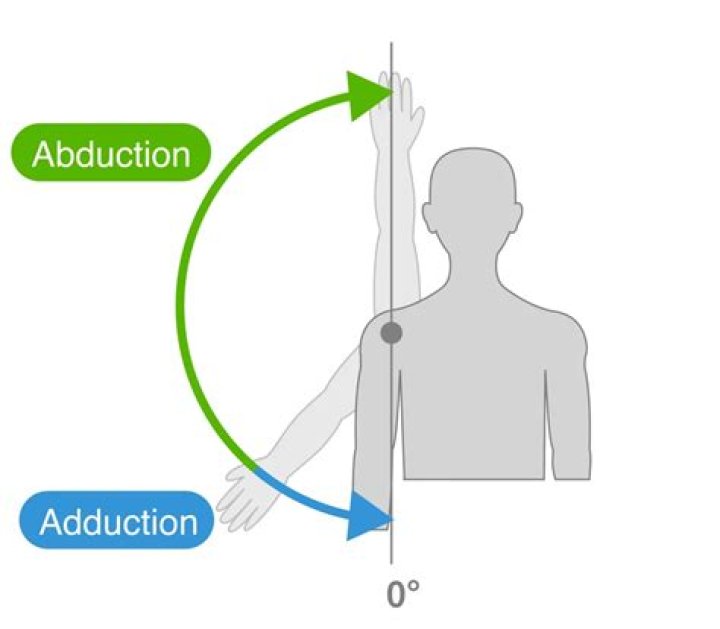
Abduction and adduction are fundamental movements in human anatomy that play a critical role in our daily activities and athletic performance. These terms describe specific motions of the body's joints and limbs, contributing significantly to our range of motion and flexibility. Understanding these movements is essential for healthcare professionals, fitness enthusiasts, and anyone interested in human biomechanics.
From picking up objects to performing complex exercises, abduction and adduction movements are involved in almost every physical activity. They are not only important for understanding how the body functions but also for diagnosing and treating musculoskeletal injuries. This article aims to provide a comprehensive overview of these movements, their differences, and their importance in human anatomy.
Whether you're a student studying kinesiology, a physical therapist, or simply curious about the mechanics of the human body, this guide will equip you with the knowledge you need to distinguish between abduction and adduction and appreciate their significance in our daily lives.
Definition of Abduction and Adduction
Abduction and adduction are terms used to describe specific types of joint movements in human anatomy. Abduction refers to the movement of a limb or body part away from the midline of the body. Conversely, adduction refers to the movement of a limb or body part toward the midline of the body. These movements are essential for maintaining balance, coordination, and overall mobility.
For example, raising your arm to the side is an example of abduction, while bringing it back down toward your body is adduction. These movements occur in various joints, including the shoulder, hip, and fingers, and involve specific muscle groups that facilitate the motion.
Key Characteristics of Abduction and Adduction
- Abduction involves moving away from the body's midline.
- Adduction involves moving toward the body's midline.
- Both movements are measured in degrees and can vary depending on the joint and individual flexibility.
Biomechanics of Movement
The biomechanics of abduction and adduction involve a complex interplay of muscles, ligaments, and bones working together to produce smooth and controlled motion. Each joint has its own unique range of motion, which is determined by the structure of the joint and the surrounding soft tissues.
In the shoulder joint, for instance, the deltoid muscle is primarily responsible for abduction, while the pectoralis major and latissimus dorsi muscles assist in adduction. Similarly, in the hip joint, the gluteus medius and minimus muscles play a crucial role in abduction, while the adductor group of muscles facilitates adduction.
Factors Influencing Abduction and Adduction
- Muscle strength and flexibility
- Joint integrity and stability
- Neuromuscular control
Examples of Abduction and Adduction
Understanding real-life examples of abduction and adduction can help clarify their significance in daily activities and sports. Below are some common examples:
Abduction Examples
- Raising your arm to the side during a lateral raise exercise
- Moving your leg outward during a side lunge
- Spreading your fingers apart
Adduction Examples
- Bringing your arm back down to your side after a lateral raise
- Crossing your legs while sitting
- Closing your fingers to form a fist
Anatomical Structures Involved
Abduction and adduction involve a variety of anatomical structures, including bones, muscles, ligaments, and tendons. The specific structures involved depend on the joint being discussed. For example:
In the shoulder joint:
- Clavicle and scapula provide structural support
- Deltoid, supraspinatus, and infraspinatus muscles facilitate abduction
- Pectoralis major, latissimus dorsi, and teres major muscles assist in adduction
In the hip joint:
- Femur and pelvis form the joint structure
- Gluteus medius and minimus muscles are key abductors
- Adductor longus, brevis, and magnus muscles are primary adductors
Key Differences Between Abduction and Adduction
While both abduction and adduction are essential joint movements, they differ in several key aspects:
Direction of Movement
- Abduction moves away from the midline
- Adduction moves toward the midline
- Abduction typically involves muscles located laterally
- Adduction involves muscles located medially
- Abduction often has a wider range of motion
- Adduction may be more limited depending on the joint
- Lateral raises for the shoulders
- Side leg lifts for the hips
- Finger spreading exercises for the hands
- Standing hip adduction with resistance bands
- Seated hip adduction machine
- Finger closing exercises for the hands
- Rotator cuff tears in the shoulder
- Groin strains in the hip
- Tendonitis in the fingers
- Stretching to improve flexibility
- Resistance training to strengthen muscles
- Manual therapy to restore joint mobility
- Levangie, P. K., & Norkin, C. C. (2015). Joint Structure and Function: A Comprehensive Analysis. F.A. Davis Company.
- Neumann, D. A. (2016). Kinesiology of the Musculoskeletal System: Foundations for Rehabilitation. Mosby.
Muscles Involved
Range of Motion
Importance in Human Kinetics
Abduction and adduction are critical components of human kinetics, influencing everything from basic movements like walking to complex athletic maneuvers. These movements are essential for maintaining balance, posture, and coordination, making them vital for activities such as dancing, swimming, and weightlifting.
Moreover, understanding these movements can help in diagnosing and treating musculoskeletal conditions. For example, weakness in the abductor muscles of the hip can lead to gait abnormalities, while tightness in the adductor muscles can contribute to hip and knee pain.
Exercises to Strengthen Abduction and Adduction Muscles
Strengthening the muscles involved in abduction and adduction can improve overall joint health and prevent injuries. Below are some effective exercises:
Abduction Exercises
Adduction Exercises
Common Injuries Related to Abduction and Adduction
Injuries to the muscles and joints involved in abduction and adduction are relatively common, especially among athletes and individuals with sedentary lifestyles. Some of the most frequent injuries include:
These injuries can result from overuse, improper technique, or lack of conditioning. Early diagnosis and treatment are crucial for a full recovery.
Rehabilitation Techniques
Rehabilitating injuries related to abduction and adduction requires a combination of rest, physical therapy, and gradual strengthening exercises. Some common rehabilitation techniques include:
Working with a qualified healthcare professional, such as a physical therapist or athletic trainer, is essential for developing a personalized rehabilitation plan.
Conclusion
Abduction and adduction are fundamental movements in human anatomy that play a crucial role in our daily activities and athletic performance. By understanding the biomechanics, anatomical structures, and importance of these movements, we can better appreciate their significance in maintaining overall health and preventing injuries.
We encourage you to explore the exercises and techniques discussed in this article to strengthen your abduction and adduction muscles and improve your joint health. Don't forget to share this article with others who may benefit from this knowledge and leave a comment below if you have any questions or feedback. Together, let's enhance our understanding of human kinetics and promote a healthier, more active lifestyle!
For further reading, check out our other articles on anatomy, exercise, and injury prevention. Stay informed, stay active, and stay healthy!
References: