Africa: Exploring the Rich Heritage, Diversity, and Economic Growth
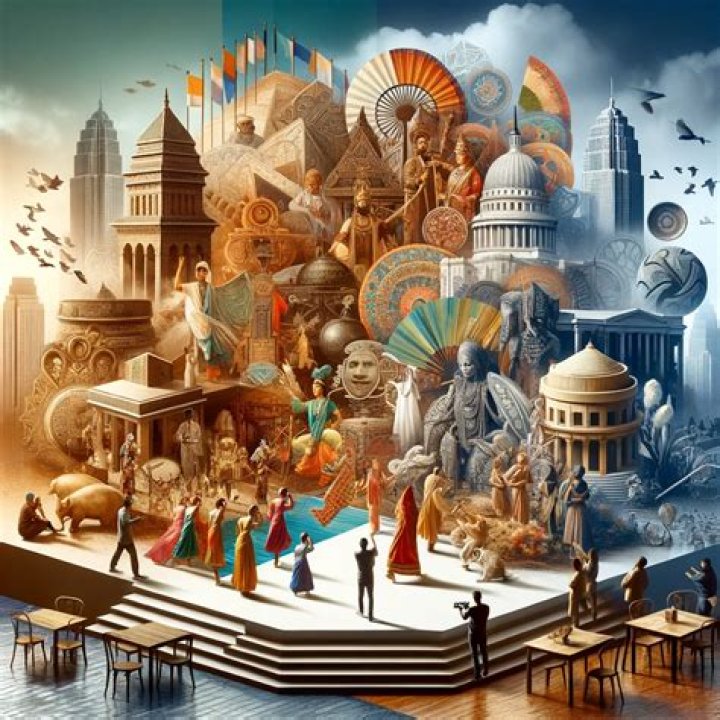
Africa, the second-largest continent in the world, is a land of immense diversity and rich cultural heritage. Stretching across the equator, it is home to over 50 countries and more than a billion people. Africa's vast landscapes range from lush rainforests to expansive deserts, making it one of the most fascinating regions on the planet.
For centuries, Africa has played a pivotal role in human history. The continent is often regarded as the cradle of civilization, where early human civilizations flourished. Today, Africa continues to evolve, showcasing its potential for growth, innovation, and development. As the global focus shifts toward sustainable practices and emerging markets, Africa stands at the forefront of transformation.
In this article, we will delve deep into the complexities of Africa, exploring its rich history, cultural diversity, economic opportunities, and challenges. By the end of this piece, you will gain a comprehensive understanding of why Africa is not just a continent but a vital part of the global community.
The Rich History of Africa
Africa's history is a tapestry woven with the threads of ancient civilizations, trade routes, and cultural exchanges. The continent is home to some of the earliest human settlements, including the Kingdom of Kush, the Egyptian pyramids, and the Great Zimbabwe. These historical landmarks continue to attract scholars and tourists alike.
Archaeological Discoveries in Africa
Archaeological findings have revealed that Africa was the birthplace of early human life. The discovery of fossils such as "Lucy" in Ethiopia and the "Taung Child" in South Africa provides compelling evidence of human evolution. These discoveries have reshaped our understanding of human origins and continue to inspire further research.
Cultural Diversity Across Africa
One of the most striking features of Africa is its cultural diversity. With over 3,000 ethnic groups and hundreds of languages, the continent is a melting pot of traditions, customs, and beliefs. From the vibrant festivals of West Africa to the traditional ceremonies of East Africa, each region offers a unique cultural experience.
Traditional African Music and Dance
African music and dance are integral parts of the continent's cultural heritage. Instruments such as the djembe, mbira, and balafon are used in various ceremonies and celebrations. Music serves as a means of storytelling, communication, and community bonding, reflecting the rich traditions of African societies.
Africa's Growing Economy
In recent years, Africa has experienced significant economic growth. The continent is home to some of the fastest-growing economies in the world, driven by sectors such as agriculture, mining, and technology. Investors from around the globe are increasingly recognizing Africa's potential as a hub for business and innovation.
Key Sectors Driving Economic Growth
- Agriculture: Providing food security and employment opportunities.
- Mining: Extracting valuable resources such as gold, diamonds, and oil.
- Technology: Fostering innovation through startups and digital solutions.
Tourism in Africa
Africa is a paradise for travelers seeking adventure, wildlife, and cultural experiences. From the majestic Mount Kilimanjaro in Tanzania to the breathtaking Victoria Falls in Zambia, the continent offers a wide range of tourist attractions. Safari tours, beach vacations, and historical sites attract millions of visitors each year.
Popular Tourist Destinations
- Serengeti National Park, Tanzania
- Sahara Desert, North Africa
- Nile River, Egypt
Wildlife and Conservation Efforts
Africa is renowned for its incredible wildlife, including the "Big Five" – lions, leopards, elephants, rhinoceroses, and buffalos. However, these magnificent creatures face threats such as habitat loss and poaching. Conservation efforts are underway to protect Africa's biodiversity and preserve its natural heritage for future generations.
Conservation Organizations in Africa
Organizations such as the African Wildlife Foundation and the Wildlife Conservation Society are working tirelessly to combat illegal wildlife trade and promote sustainable practices. Their initiatives include anti-poaching programs, habitat restoration, and community engagement.
Education in Africa
Education is a critical component of Africa's development. Governments and non-governmental organizations are investing in educational infrastructure to improve access and quality. Despite progress, challenges such as gender inequality and resource constraints persist, necessitating continued efforts to bridge the educational gap.
Initiatives to Improve Education
- Building schools in rural areas
- Providing scholarships for girls
- Integrating technology in classrooms
Healthcare Systems in Africa
Access to quality healthcare remains a significant challenge in many African countries. However, advancements in medical technology and increased funding have led to improvements in healthcare delivery. Programs focusing on maternal health, vaccination campaigns, and disease prevention are making a positive impact.
Global Health Partnerships
Collaborations between African nations and international organizations, such as the World Health Organization and UNICEF, have strengthened healthcare systems. These partnerships focus on addressing critical issues like HIV/AIDS, malaria, and tuberculosis.
Technology and Innovation in Africa
Africa is rapidly embracing technology as a tool for development. Mobile banking, e-commerce platforms, and renewable energy solutions are transforming the way people live and work. Startups and tech hubs are emerging across the continent, fostering innovation and entrepreneurship.
Technology Startups in Africa
Companies such as Jumia, M-Pesa, and Andela have gained global recognition for their innovative solutions. These startups are not only creating jobs but also addressing local challenges through technology.
Challenges Facing Africa
Despite its progress, Africa faces numerous challenges that hinder its development. Issues such as poverty, corruption, climate change, and political instability require urgent attention. Addressing these challenges will require collective efforts from governments, civil society, and the international community.
Solutions to Overcome Challenges
- Implementing transparent governance
- Promoting sustainable development practices
- Encouraging foreign investment
The Future of Africa
Africa's future is bright, filled with opportunities for growth and transformation. As the continent continues to harness its resources and talents, it has the potential to become a global leader in various sectors. By prioritizing education, healthcare, and innovation, Africa can ensure a prosperous future for its people.
Conclusion
In conclusion, Africa is a continent of immense potential and diversity. From its rich history and vibrant culture to its growing economy and technological advancements, Africa continues to inspire and captivate the world. We invite you to explore this fascinating region further and share your thoughts in the comments below. Don't forget to check out our other articles for more insights into global issues.
References:
- World Bank. (2022). Africa's Pulse: An Analysis of Issues Shaping Africa's Economic Future.
- United Nations Development Programme. (2021). Human Development Report.
- African Union. (2023). Agenda 2063: The Africa We Want.