Airbnb Background: Understanding the Rise and Impact of the Global Rental Platform
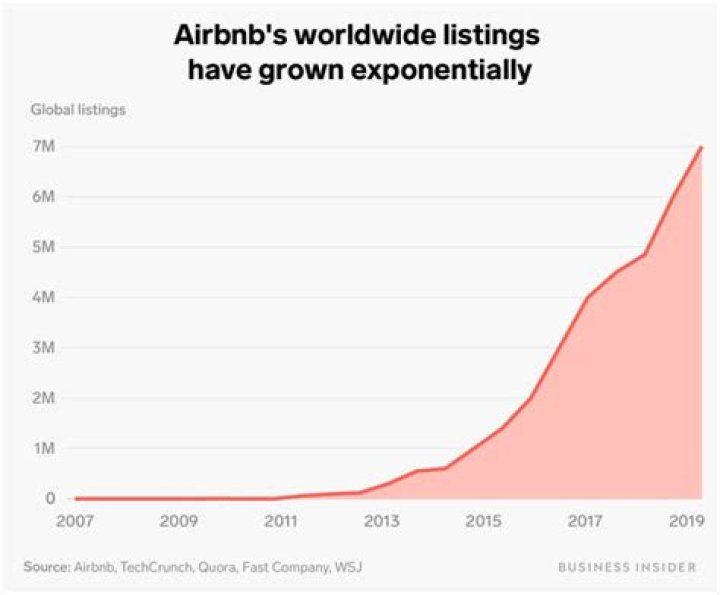
Airbnb background has become a fascinating topic for travelers, entrepreneurs, and economists alike. Since its launch in 2008, Airbnb has disrupted the traditional hospitality industry by offering a unique peer-to-peer rental platform. This platform allows property owners to rent out their spaces to travelers worldwide, creating a new era of travel experiences. Whether you're looking for a cozy apartment in Paris or a luxurious villa in Bali, Airbnb provides endless options tailored to every traveler's needs.
As one of the most successful startups in the world, Airbnb's journey from a small idea to a global phenomenon is worth exploring. Understanding its background not only sheds light on the company's growth but also highlights its impact on the hospitality industry and the global economy. In this article, we will delve into Airbnb's origins, milestones, and contributions to the travel industry.
This comprehensive guide will cover everything you need to know about Airbnb's background, including its founders, business model, challenges, and future prospects. Whether you're a traveler, an aspiring entrepreneur, or simply curious about the rise of the sharing economy, this article will provide valuable insights into one of the most influential companies of our time.
The Founders of Airbnb
Airbnb was founded by Brian Chesky, Joe Gebbia, and Nathan Blecharczyk in 2008. These three entrepreneurs turned a simple idea into a multi-billion-dollar business. Brian Chesky, the CEO, has been instrumental in shaping the company's vision and culture. Joe Gebbia, the Chief Product Officer, focuses on design and user experience, while Nathan Blecharczyk, the Chief Strategy Officer, oversees the company's financial and operational strategies.
During its early days, the founders faced numerous challenges, including financial constraints and skepticism about the viability of their business model. However, their persistence and innovative thinking helped them overcome these obstacles and build a platform that would revolutionize the way people travel.
The Early Days of Airbnb
The idea for Airbnb was born out of necessity. In 2007, Brian Chesky and Joe Gebbia, who were struggling to pay rent in San Francisco, decided to rent out air mattresses in their living room to attendees of a design conference. They charged guests $80 per night and provided them with breakfast. This experiment, which they called "AirBed & Breakfast," marked the beginning of what would eventually become Airbnb.
Over the next year, the founders worked on refining their concept and developing a website to connect hosts with guests. They faced numerous challenges, including finding investors and convincing people to trust strangers with their homes. However, their perseverance paid off, and by 2009, Airbnb had gained traction and started expanding globally.
Understanding Airbnb's Business Model
Airbnb operates on a peer-to-peer rental platform model, connecting property owners with travelers seeking accommodations. The company earns revenue through service fees charged to both hosts and guests. Hosts pay a 3% service fee, while guests pay a variable fee depending on the length of their stay and the value of the booking.
This business model has proven to be highly scalable and profitable. By leveraging technology and a vast network of hosts and guests, Airbnb has disrupted the traditional hospitality industry, offering travelers more affordable and diverse accommodation options. Additionally, the company's focus on community and authentic travel experiences has set it apart from competitors.
Key Growth Milestones
Airbnb's journey from a small startup to a global giant has been marked by several key milestones:
- 2008: Launch of Airbnb's first website, AirBed & Breakfast.
- 2010: Introduction of the "host verification" system to enhance trust and safety.
- 2011: Expansion into Europe and Asia, marking the beginning of global growth.
- 2016: Launch of Airbnb Experiences, allowing hosts to offer unique activities to guests.
- 2020: Going public through an Initial Public Offering (IPO), raising $3.7 billion.
Each of these milestones has contributed to Airbnb's success and solidified its position as a leader in the travel industry.
Impact on the Hospitality Industry
Airbnb's rise has had a profound impact on the hospitality industry. Traditional hotels have faced increasing competition from Airbnb's affordable and diverse accommodation options. This has forced many hotels to rethink their pricing strategies and enhance guest experiences to remain competitive.
Furthermore, Airbnb has democratized the travel industry by allowing individuals to become entrepreneurs and earn income from their properties. This has created new opportunities for people in both urban and rural areas, contributing to local economies and community development.
Regulatory Challenges Faced by Airbnb
Despite its success, Airbnb has faced numerous regulatory challenges in various countries and cities. Issues such as short-term rental restrictions, zoning laws, and tax compliance have posed significant obstacles to the company's growth. For example, cities like New York and Barcelona have implemented strict regulations to limit the number of short-term rentals available on platforms like Airbnb.
To address these challenges, Airbnb has worked closely with governments and local authorities to develop solutions that balance the interests of hosts, guests, and communities. This includes implementing host registration systems and sharing data with authorities to ensure compliance with local laws.
Global Expansion Strategies
Airbnb's global expansion strategy has focused on tailoring its services to meet the unique needs of different markets. This includes offering localized content, supporting multiple languages, and adapting to cultural preferences. The company has also invested in technology and infrastructure to improve the user experience and ensure seamless operations across borders.
Additionally, Airbnb has formed partnerships with local businesses and organizations to enhance its offerings and support community development. These partnerships have helped the company build trust and establish a strong presence in new markets.
Sustainability Efforts by Airbnb
Airbnb is committed to promoting sustainability and reducing the environmental impact of travel. The company has implemented several initiatives to achieve this goal, including:
- Encouraging hosts to adopt eco-friendly practices, such as using energy-efficient appliances and reducing waste.
- Partnering with organizations to promote sustainable tourism and support conservation efforts.
- Introducing features on the platform that allow guests to search for eco-friendly accommodations.
These efforts align with Airbnb's broader mission to create a more connected and sustainable world through travel.
Enhancing Customer Experience
Airbnb places a strong emphasis on enhancing customer experience through innovation and personalization. The company continuously invests in technology to improve its platform, offering features such as virtual tours, instant booking, and 24/7 customer support. Additionally, Airbnb's community-driven approach fosters connections between hosts and guests, creating memorable travel experiences.
Feedback from users plays a crucial role in shaping Airbnb's services and policies. The company regularly collects and analyzes customer feedback to identify areas for improvement and implement changes that enhance the overall user experience.
Future Outlook and Innovations
Looking ahead, Airbnb is poised for continued growth and innovation. The company plans to expand its offerings beyond accommodations, focusing on experiences and services that enrich the travel journey. This includes investments in virtual reality, artificial intelligence, and other emerging technologies to enhance the user experience.
In addition, Airbnb remains committed to addressing the challenges posed by regulatory environments and promoting sustainable travel practices. By staying ahead of industry trends and adapting to changing consumer preferences, Airbnb is well-positioned to maintain its leadership role in the global travel market.
Conclusion
Airbnb's background is a testament to the power of innovation and perseverance. From its humble beginnings as a platform offering air mattresses in a living room to becoming a global leader in the travel industry, Airbnb has transformed the way people travel and experience the world. Its impact on the hospitality industry, commitment to sustainability, and focus on customer experience have set it apart from competitors and earned it a loyal following.
We encourage readers to explore Airbnb's offerings and share their experiences with the community. Whether you're a traveler looking for unique accommodations or an entrepreneur inspired by Airbnb's success story, there is much to learn and discover. Don't forget to leave a comment or share this article with others who may find it valuable. Together, let's continue the conversation about the future of travel and the sharing economy.
For more insights into the travel industry and related topics, check out our other articles on the website. Happy reading and happy travels!