Are Roosters Needed for Hens to Lay Eggs? Unveiling the Truth Behind Egg Production
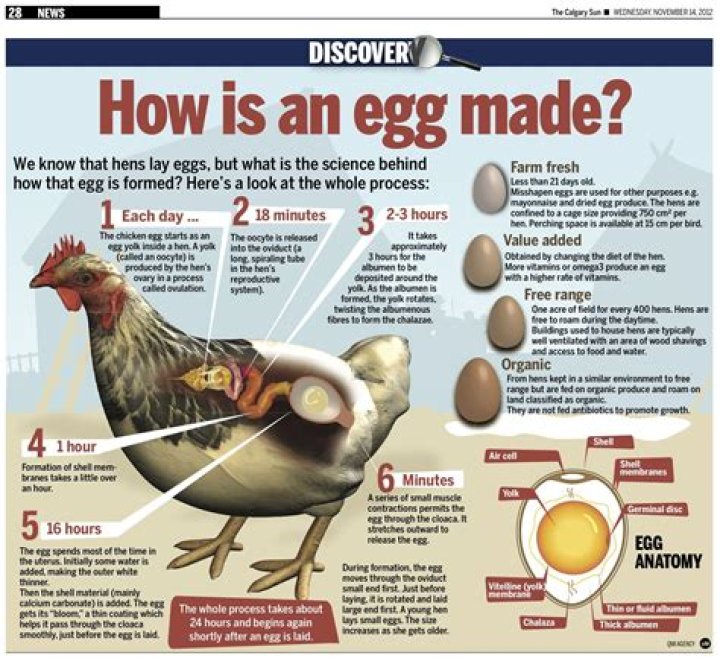
Many people wonder whether roosters are necessary for hens to lay eggs. The answer to this question lies in understanding the biology of egg-laying and reproduction in chickens. While hens can lay eggs without the presence of a rooster, the role of a rooster becomes significant when it comes to fertilization and producing chicks. This article will explore the science behind egg-laying and clarify common misconceptions about the role of roosters in this process.
In the world of poultry farming and backyard chicken keeping, understanding the dynamics between hens and roosters is crucial. Whether you're raising chickens for eggs or planning to expand your flock, knowing the facts can help you make informed decisions. Let's dive into the details and uncover whether roosters are truly needed for hens to lay eggs.
This article will cover everything from the biological processes involved in egg production to the benefits and challenges of keeping roosters. By the end of this guide, you'll have a clear understanding of how hens lay eggs and the role roosters play in this natural process. So, let's get started!
The Biology of Egg-Laying in Hens
Understanding the biological process of egg-laying is essential to answering the question, "Are roosters needed for hens to lay eggs?" Hens are naturally inclined to lay eggs as part of their reproductive cycle, regardless of the presence of a rooster. The process begins in the hen's ovary, where an oocyte develops into a yolk. Once the yolk is released, it travels through the oviduct, where layers of albumen, membranes, and the shell are added.
Hens typically lay one egg per day, depending on factors such as age, breed, and diet. The egg-laying process is driven by hormones, specifically estrogen and progesterone, which regulate the development and release of the yolk. Even without a rooster, hens will continue to lay eggs, but these eggs will be unfertilized and therefore incapable of hatching into chicks.
Key Stages in Egg Formation
- Ovary Development: The oocyte matures in the hen's ovary.
- Yolk Release: The yolk is released into the oviduct.
- Albumen Addition: Layers of albumen (egg white) are added around the yolk.
- Shell Formation: The eggshell is formed in the uterus before the egg is laid.
Understanding these stages helps clarify that roosters are not essential for the egg-laying process itself. However, they do play a role in producing fertilized eggs, which we'll explore in the next section.
Do Roosters Play a Role in Egg-Laying?
Roosters are not directly involved in the egg-laying process, but they do play an important role in the reproductive cycle of chickens. While hens can lay eggs without a rooster, the presence of a rooster is necessary for the production of fertilized eggs. When a rooster mates with a hen, it deposits sperm, which travels to the hen's oviduct and fertilizes the egg as it forms.
Without a rooster, the eggs laid by hens will remain unfertilized and cannot develop into chicks. This is why backyard chicken keepers who only want eggs for consumption often choose not to keep roosters. However, those interested in breeding chickens or expanding their flock may find it beneficial to include a rooster in their setup.
What Happens When a Rooster is Present?
- Fertilization: The rooster's sperm fertilizes the hen's eggs, enabling them to develop into chicks.
- Protection: Roosters often serve as protectors for the flock, alerting hens to potential dangers.
- Leadership: Roosters establish a pecking order and maintain order within the flock.
While roosters are not essential for egg production, their presence can enhance the overall dynamics of a flock, particularly in breeding or free-range environments.
What Are Fertilized Eggs?
Fertilized eggs are eggs that have been fertilized by a rooster's sperm. These eggs have the potential to develop into chicks if incubated under the right conditions. The fertilization process occurs when the rooster mates with the hen, and the sperm travels to the hen's oviduct, where it fertilizes the developing egg.
Fertilized eggs are indistinguishable from unfertilized eggs in appearance, but they contain the genetic material needed for embryonic development. If you're interested in hatching chicks, keeping a rooster is essential. However, if your primary goal is egg production for consumption, fertilized eggs are not necessary.
How to Identify Fertilized Eggs
- Embryo Spot: A small white spot (blastoderm) on the yolk indicates fertilization.
- Candling: Using a candling device, you can observe the development of the embryo inside the egg.
- Incubation: Fertilized eggs must be incubated for 21 days to hatch into chicks.
Understanding the difference between fertilized and unfertilized eggs can help you make informed decisions about your flock's management.
Understanding Unfertilized Eggs
Unfertilized eggs are the most common type of eggs consumed by humans. These eggs are laid by hens without the involvement of a rooster and are incapable of developing into chicks. The process of laying unfertilized eggs is a natural function of hens, driven by hormonal cycles rather than reproductive needs.
Unfertilized eggs are nutritionally identical to fertilized eggs and are safe for consumption. In fact, most commercially available eggs are unfertilized, as they are produced by hens kept in environments without roosters. This makes them a convenient choice for those who prioritize egg production over breeding.
Advantages of Unfertilized Eggs
- Ease of Production: Hens can lay eggs without the need for a rooster.
- Sustainability: Unfertilized eggs can be produced in larger quantities without the complications of breeding.
- Consumer Preference: Most people prefer unfertilized eggs for consumption due to their convenience and availability.
For many backyard chicken keepers, unfertilized eggs are the preferred choice, as they eliminate the need for a rooster and simplify flock management.
Benefits of Keeping a Rooster
While roosters are not essential for egg production, they offer several benefits that make them valuable additions to a flock. Beyond their role in fertilizing eggs, roosters contribute to the overall health and well-being of the flock. Here are some of the key advantages of keeping a rooster:
Protection and Leadership
- Guardianship: Roosters are naturally protective and will defend the flock from predators.
- Pecking Order: Roosters help establish a stable social structure within the flock.
- Companionship: Roosters provide companionship for hens, reducing stress and improving flock dynamics.
In addition to these benefits, roosters can enhance the aesthetic appeal of a flock, as many breeds are known for their striking plumage and majestic appearance.
Challenges of Having a Rooster
While roosters offer numerous advantages, they also come with challenges that must be considered. One of the most significant challenges is their tendency to be aggressive, especially during mating or territorial disputes. Additionally, roosters can be noisy, which may not be suitable for urban or suburban environments.
Before adding a rooster to your flock, it's important to weigh the potential challenges against the benefits. Here are some of the common challenges associated with keeping roosters:
Common Challenges
- Noise: Roosters crow frequently, which can disturb neighbors.
- Aggression: Some roosters may become aggressive toward humans or other animals.
- Regulations: Many municipalities have restrictions on keeping roosters due to noise concerns.
By understanding these challenges, you can make an informed decision about whether a rooster is right for your flock.
Factors Affecting Hen Egg Production
While roosters are not necessary for hens to lay eggs, several other factors can influence egg production. These factors include the hen's age, breed, diet, and environmental conditions. Ensuring optimal conditions for your hens can help maximize egg production and improve the quality of the eggs.
Key Factors in Egg Production
- Age: Younger hens typically produce more eggs than older hens.
- Breed: Certain breeds, such as White Leghorns, are known for their high egg production.
- Diet: A balanced diet rich in protein and calcium is essential for optimal egg production.
- Lighting: Adequate lighting, especially during the winter months, can stimulate egg-laying.
By addressing these factors, you can create an environment that supports healthy and consistent egg production in your flock.
Is a Rooster Necessary for Egg Production?
To answer the question, "Are roosters needed for hens to lay eggs?" the simple answer is no. Hens can and will lay eggs without the presence of a rooster. However, if you're interested in producing fertilized eggs for breeding purposes, a rooster becomes essential.
The decision to keep a rooster ultimately depends on your goals and circumstances. If you're raising chickens solely for egg production, you may find that roosters are unnecessary. On the other hand, if you're interested in expanding your flock or breeding specific breeds, a rooster can be a valuable addition to your setup.
When Roosters Are Needed for Breeding Purposes
For those interested in breeding chickens, roosters play a crucial role in the process. By fertilizing eggs, roosters enable the development of chicks and the continuation of specific bloodlines. Selecting the right rooster for breeding purposes involves careful consideration of traits such as temperament, health, and genetic characteristics.
Breeding with a rooster allows you to maintain and improve the quality of your flock over time. Whether you're focused on preserving rare breeds or enhancing specific traits, the presence of a rooster is essential for successful breeding.
Conclusion: To Rooster or Not to Rooster?
In conclusion, roosters are not necessary for hens to lay eggs. Hens will continue to produce eggs regardless of whether a rooster is present, but the eggs will remain unfertilized without a rooster. If your primary goal is egg production for consumption, you may find that roosters are unnecessary. However, if you're interested in breeding or expanding your flock, a rooster can be a valuable addition.
Ultimately, the decision to keep a rooster depends on your personal goals and circumstances. By understanding the biology of egg-laying and the role of roosters, you can make informed decisions about