Average American Female Height: Understanding the Data and Trends
What is the height of the average American female? This question has intrigued many people, whether for academic, health, or societal purposes. Understanding the average height of women in America is more than just a statistic; it reflects a broader picture of health, nutrition, and lifestyle trends. In this article, we will delve into the factors that influence female height in the United States and explore the latest data available.
The average height of American females has become a topic of interest as it affects various aspects of life, including fashion, ergonomics, and even health policies. As societal norms evolve, so does the importance of understanding physical characteristics like height. This article aims to provide comprehensive insights into the subject, ensuring readers leave with a deeper understanding of what influences height and how it compares globally.
Through this exploration, we will cover everything from historical trends to modern-day influences. Whether you're a researcher, student, or simply someone curious about human development, this article will serve as a valuable resource. Let's dive in and uncover the fascinating details about the average American female height.
What is the Average Height of the American Female?
According to the Centers for Disease Control and Prevention (CDC), the average height of the American female is approximately 5 feet 4 inches (162.5 cm) as of the latest data collected between 2015-2018. This measurement is based on a comprehensive survey that includes individuals aged 20 years and older. However, it's important to note that this figure can vary slightly depending on age, ethnicity, and geographic location.
Height is a complex trait influenced by a combination of genetic and environmental factors. While genetics play a significant role in determining an individual's height, external factors such as nutrition and lifestyle also contribute significantly. Understanding these influences is crucial for interpreting the average height of American females accurately.
How is Average Height Measured?
Average height is typically calculated using large-scale surveys conducted by government agencies or research institutions. These surveys involve measuring the height of a representative sample of the population, ensuring that the data reflects the diversity of the American population. The CDC and the National Health and Nutrition Examination Survey (NHANES) are primary sources for such data.
Biological Factors Affecting Height
Biological factors are among the primary determinants of height. During childhood and adolescence, the body undergoes significant growth spurts, primarily driven by hormonal changes. Growth hormone, produced by the pituitary gland, plays a critical role in this process. Additionally, sex hormones like estrogen and testosterone influence the closure of growth plates, which ultimately determines an individual's final height.
Key Biological Influences
- Growth hormone levels during childhood and adolescence
- Sex hormones and their impact on skeletal development
- Genetic predisposition to certain height ranges
The Role of Nutrition in Female Height
Nutrition is a critical factor in determining height, especially during the formative years. Adequate intake of essential nutrients such as protein, calcium, vitamin D, and zinc supports healthy bone development. Malnutrition or deficiencies in these nutrients can result in stunted growth, affecting an individual's final height.
Recent studies have shown that improved access to nutritious food in developed countries like the United States has contributed to a gradual increase in average height over the past century. However, disparities in nutrition still exist, particularly among low-income populations, which can impact height distribution within the country.
Essential Nutrients for Growth
- Protein: Essential for muscle and tissue development
- Calcium: Crucial for strong bones
- Vitamin D: Aids in calcium absorption
- Zinc: Supports cell growth and division
Genetic Contributions to Height
Genetics account for approximately 60-80% of an individual's height. Studies have identified numerous genes associated with height, with variations in these genes contributing to differences in stature. While the exact number of genes involved is still being researched, it is clear that height is a polygenic trait influenced by multiple genetic factors.
Family history is often a strong indicator of potential height. Parents who are taller or shorter than average are likely to pass on these traits to their children. However, it's important to note that genetics alone do not determine height; environmental factors also play a significant role.
Environmental Factors Influencing Height
Environmental factors such as socioeconomic status, access to healthcare, and exposure to pollutants can significantly impact height. Children raised in environments with limited access to healthcare or exposed to pollutants may experience slower growth rates compared to their peers. Conversely, those with access to quality healthcare and a clean environment tend to reach their full height potential.
Education and awareness about proper nutrition and health practices also contribute to better growth outcomes. Public health initiatives aimed at reducing childhood obesity and promoting healthy lifestyles have a positive impact on overall height development.
Key Environmental Influences
- Socioeconomic status and access to resources
- Quality of healthcare and medical interventions
- Exposure to pollutants and environmental toxins
Historical Data on Female Height
Historical data on female height reveals interesting trends over the past century. In the early 1900s, the average height of American females was approximately 5 feet 2 inches (157 cm). This figure has gradually increased due to improvements in nutrition, healthcare, and living conditions. By the mid-20th century, the average height had risen to around 5 feet 3 inches (160 cm), and today it stands at 5 feet 4 inches (162.5 cm).
These changes reflect broader societal improvements, particularly in areas such as nutrition and healthcare access. However, the rate of increase has slowed in recent decades, suggesting that the population may be approaching its maximum potential height given current genetic and environmental conditions.
Global Comparison of Female Height
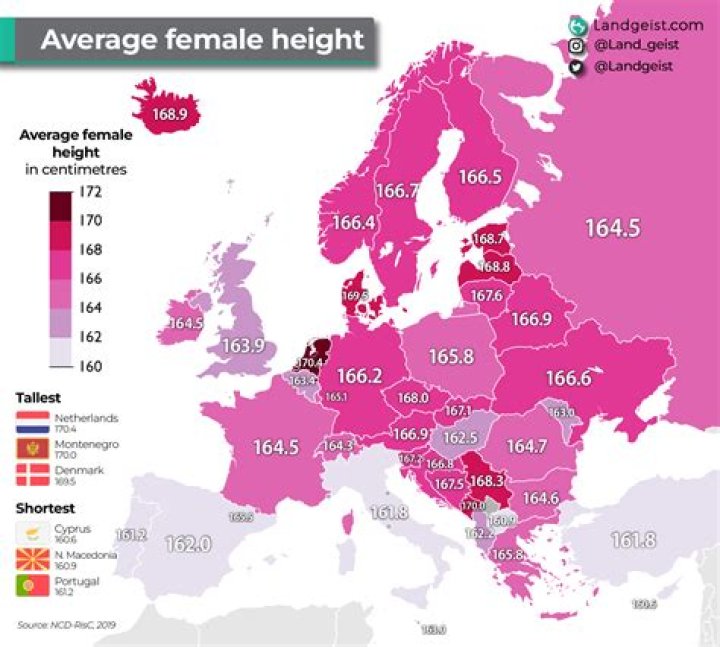
When compared globally, American females are slightly taller than the worldwide average. According to data from the NCD Risk Factor Collaboration, the global average height for women is approximately 5 feet 3 inches (160 cm). However, this varies significantly by region, with women in Northern European countries like the Netherlands and Denmark being among the tallest, averaging around 5 feet 7 inches (170 cm).
Cultural and genetic differences contribute to these variations. For example, populations with a history of high dairy consumption, such as those in Northern Europe, tend to have taller individuals due to the calcium-rich diets. Conversely, populations with limited access to diverse nutrients may have shorter average heights.
Health Implications of Female Height
Height can have various health implications, both positive and negative. Taller individuals may have a lower risk of certain health conditions, such as heart disease, due to better cardiovascular function. However, they may also face an increased risk of certain cancers, such as breast and colon cancer, due to higher cell counts in the body.
Shorter individuals, on the other hand, may have a lower risk of cancer but a higher risk of cardiovascular issues. It's important to note that height is just one of many factors influencing health outcomes, and individuals should focus on maintaining a healthy lifestyle regardless of their stature.
Societal Impact of Height Differences
Height differences can have a significant societal impact, influencing everything from fashion to workplace ergonomics. In the fashion industry, designers often create clothing based on average height and body proportions, which can affect how well clothing fits individuals outside the average range. Similarly, workplace environments are designed with average height in mind, potentially causing discomfort for those who fall outside this range.
Social perceptions of height can also affect self-esteem and confidence. While these perceptions are largely cultural, efforts to promote body positivity and acceptance of diversity in height and body types can help mitigate negative impacts.
Future Trends in Female Height
Looking ahead, future trends in female height are likely to be influenced by advancements in genetics, nutrition, and healthcare. As genetic research continues to uncover more about the factors influencing height, personalized health interventions may become more common. Improved access to nutritious food and healthcare services could further enhance height development, particularly in underserved populations.
However, the rate of increase in average height may continue to slow as populations approach their genetic potential. Future studies will need to focus on addressing disparities in height development to ensure equitable outcomes for all individuals.
Conclusion
In conclusion, the average height of the American female is approximately 5 feet 4 inches (162.5 cm), influenced by a combination of biological, genetic, and environmental factors. Understanding these influences provides valuable insights into health, nutrition, and societal trends. By addressing disparities in nutrition and healthcare access, we can work towards a future where all individuals have the opportunity to reach their full height potential.
We encourage readers to share their thoughts and experiences in the comments below. Are you surprised by the average height of American females? Do you have any questions about the factors influencing height? Don't forget to explore other articles on our site for more fascinating insights into human development and health.