Average Height of American Women: A Comprehensive Guide
The average height of American women has always been a topic of interest for researchers, health professionals, and the general public alike. Understanding the factors that influence height, such as genetics, nutrition, and lifestyle, can provide valuable insights into overall health and well-being. If you're curious about how tall the average American woman is, this article will provide all the answers you're looking for.
Height is not just a physical attribute; it reflects the complex interplay of biology, environment, and social factors. In the United States, the average height of women varies across different demographic groups, making it an intriguing subject to explore. This article delves deep into the statistics, trends, and contributing factors that shape the height of American women.
As we examine the average height of American women, we'll also uncover interesting facts and trends that have emerged over the years. Whether you're a researcher, student, or simply someone curious about the topic, this article aims to provide a comprehensive overview supported by reliable data and expert insights.
Average Height Statistics for American Women
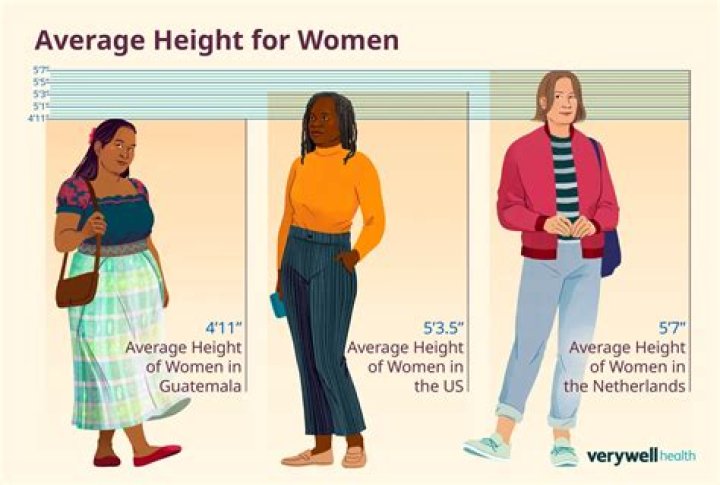
According to data from the Centers for Disease Control and Prevention (CDC), the average height of American women is approximately 5 feet 4 inches (162.5 cm) as of the latest surveys conducted between 2015 and 2018. This statistic reflects the height of adult women aged 20 years and older, taking into account various demographic factors such as age, ethnicity, and socioeconomic background.
Demographic Breakdown
While the average height for American women stands at 5'4", there are notable variations across different ethnic groups:
- African American women: 5 feet 4 inches (162.5 cm)
- White American women: 5 feet 4 inches (162.5 cm)
- Hispanic American women: 5 feet 2 inches (157.5 cm)
- Asian American women: 5 feet 2 inches (157.5 cm)
These differences highlight the importance of considering cultural and genetic diversity when analyzing height trends.
Genetic Factors Influencing Height
Genetics plays a pivotal role in determining an individual's height. Studies suggest that approximately 60-80% of height variation is attributed to genetic factors. While environmental influences like nutrition and health care contribute significantly, the genetic blueprint largely dictates a person's potential height.
Key Genetic Influencers
Some of the primary genetic factors affecting height include:
- Parental height
- Genetic markers such as the HMGA2 gene
- Chromosomal variations
Understanding these genetic components helps explain why some women may exceed the average height, while others fall below it.
The Impact of Nutrition on Height
Nutrition is a critical factor influencing height during childhood and adolescence. A well-balanced diet rich in essential nutrients supports optimal growth and development. Key nutrients such as calcium, vitamin D, protein, and zinc are particularly important for bone health and overall growth.
Key Nutrients for Growth
- Calcium: Essential for bone density and strength
- Vitamin D: Facilitates calcium absorption
- Protein: Builds and repairs tissues
- Zinc: Supports cell growth and division
Malnutrition or dietary deficiencies during critical growth periods can lead to stunted growth and a shorter adult height.
Lifestyle Effects on Growth
Beyond genetics and nutrition, lifestyle factors also impact height development. Physical activity, sleep patterns, and overall health play crucial roles in ensuring proper growth during formative years.
Healthy Lifestyle Habits
- Regular exercise: Promotes bone health and muscle development
- Adequate sleep: Essential for growth hormone production
- Stress management: Reduces cortisol levels that may hinder growth
Encouraging healthy habits from a young age can help maximize growth potential and achieve a healthy adult height.
Historical Trends in Women's Height
Over the past century, the average height of American women has undergone significant changes. Improved living conditions, advancements in healthcare, and better nutrition have contributed to an overall increase in height. However, recent trends suggest that the rate of growth may be slowing down in some populations.
Key Historical Milestones
- Early 1900s: Average height around 5 feet 2 inches (157 cm)
- Mid-20th century: Average height increased to 5 feet 3 inches (160 cm)
- 21st century: Current average height stabilizes at 5 feet 4 inches (162.5 cm)
These trends reflect broader societal changes and improvements in public health over time.
Regional Variations in Height
Within the United States, regional differences in height exist due to variations in socioeconomic status, cultural practices, and access to healthcare. Women living in urban areas with better healthcare facilities and educational opportunities tend to have slightly taller average heights compared to those in rural regions.
Regional Differences
- Urban areas: Slightly taller average heights
- Rural areas: Slightly shorter average heights
Addressing these disparities requires targeted public health initiatives to ensure equitable access to resources that support optimal growth.
Comparison of American Women's Height Globally
Globally, the average height of American women ranks moderately compared to other countries. Nations with taller average heights, such as the Netherlands and Norway, often attribute their success to robust healthcare systems, excellent nutrition, and active lifestyles. Conversely, countries with shorter average heights may face challenges related to poverty, malnutrition, and limited healthcare access.
Global Height Rankings
- Netherlands: 5 feet 7 inches (170 cm)
- United States: 5 feet 4 inches (162.5 cm)
- Japan: 5 feet 2 inches (157.5 cm)
Comparing global height statistics highlights the importance of addressing systemic factors that influence growth and development.
Health Implications of Height
Height is not merely a cosmetic attribute; it can also have implications for overall health. Studies have shown correlations between height and certain health conditions, such as cardiovascular disease, cancer, and diabetes. However, it's important to note that these associations are complex and influenced by multiple factors beyond height alone.
Potential Health Risks
- Shorter height: Higher risk of cardiovascular disease
- Taller height: Increased risk of certain cancers
Understanding these relationships can help individuals and healthcare providers tailor preventive strategies to optimize health outcomes.
Factors Affecting Child Height
For parents and caregivers, understanding the factors that influence a child's height is crucial for promoting healthy growth. Early intervention and addressing potential barriers to growth can help children reach their full height potential.
Key Factors to Monitor
- Genetic predisposition
- Nutritional intake
- Physical activity levels
- Healthcare access
By focusing on these areas, parents can create an environment that supports optimal growth and development.
Conclusion: What Does the Future Hold?
In conclusion, the average height of American women is shaped by a combination of genetic, nutritional, and lifestyle factors. While the current average stands at 5 feet 4 inches, ongoing research and public health initiatives aim to address disparities and improve overall growth outcomes. As society continues to evolve, it's likely that we'll see further changes in height trends across different demographic groups.
We encourage readers to explore the resources mentioned in this article and share their thoughts in the comments section below. Additionally, feel free to browse other articles on our site for more insightful information on health, wellness, and lifestyle topics.
References:
- Centers for Disease Control and Prevention (CDC)
- World Health Organization (WHO)
- Harvard Health Publishing