Brown Bear and Grizzly Bear: Unveiling the Mysteries of These Majestic Creatures
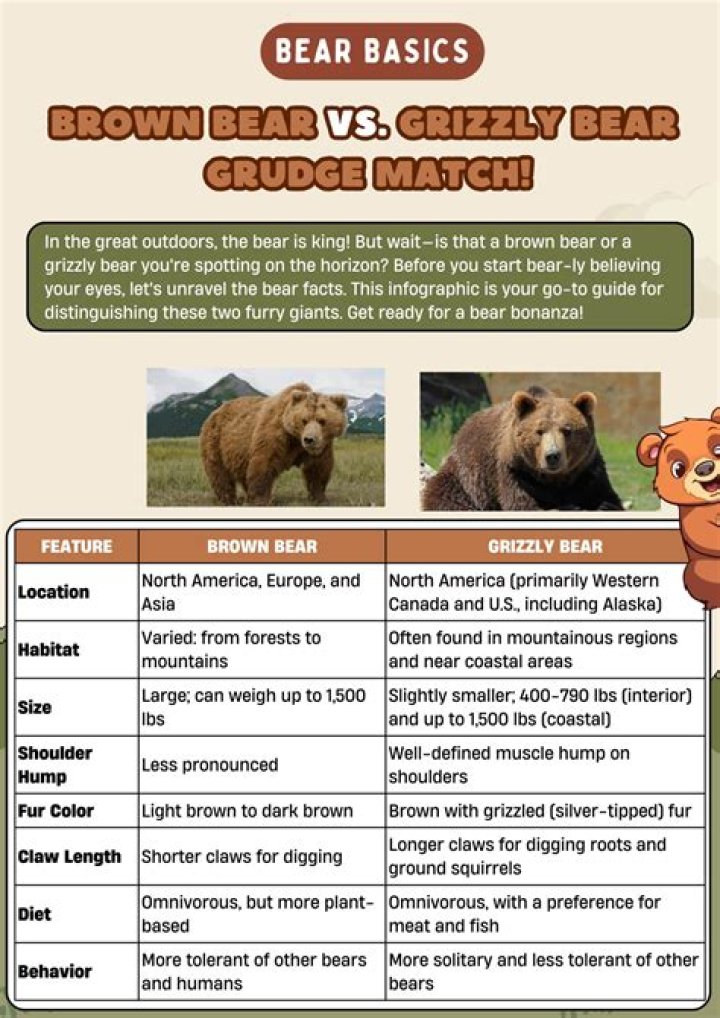
Brown bears and grizzly bears are two fascinating species of bears that have captivated the imagination of people around the world. These large and powerful animals are not only symbols of strength and resilience but also play a crucial role in maintaining the balance of ecosystems. Understanding the differences and similarities between brown bears and grizzly bears is essential for anyone interested in wildlife and conservation.
In this article, we will delve into the world of these magnificent creatures, exploring their physical characteristics, habitats, behaviors, and the challenges they face in the wild. Whether you're a nature enthusiast or simply curious about these animals, this article will provide you with valuable insights and knowledge.
Join us as we uncover the mysteries surrounding brown bears and grizzly bears, and learn why they are such important species in the animal kingdom. By the end of this article, you will have a deeper appreciation for these incredible animals and the role they play in our environment.
Introduction to Brown Bears and Grizzlies
Brown bears (Ursus arctos) are one of the largest land predators in the world, and grizzly bears are a subspecies of brown bears found primarily in North America. These animals are known for their immense strength, intelligence, and adaptability. Despite their fearsome reputation, brown and grizzly bears play a vital role in maintaining ecological balance by controlling prey populations and dispersing seeds.
Historical Significance
For centuries, brown bears and grizzly bears have been revered in various cultures. Native American tribes, for example, viewed grizzly bears as symbols of power and wisdom. Similarly, in European folklore, brown bears were often depicted as protectors of the forest. Today, these bears continue to inspire awe and respect among wildlife enthusiasts and scientists alike.
Physical Characteristics of Brown and Grizzly Bears
One of the most striking features of brown and grizzly bears is their size. Adult males can weigh anywhere from 300 to 1,200 pounds, depending on the subspecies and geographic location. Females are generally smaller, weighing between 200 and 800 pounds. Both species have a robust build, with powerful limbs and a thick coat of fur that varies in color from blonde to nearly black.
Key Physical Traits
- Shoulder Hump: Both brown and grizzly bears have a prominent shoulder hump, which is made of muscle and helps them dig and forage for food.
- Claws: Their claws can grow up to four inches long, making them excellent diggers and climbers.
- Face Shape: Grizzly bears typically have a more concave facial profile compared to other brown bear subspecies.
Habitat and Distribution
Brown bears are found across the northern hemisphere, inhabiting regions in North America, Europe, and Asia. Grizzly bears, as a subspecies, are primarily located in western North America, particularly in Alaska, Canada, and parts of the contiguous United States. These bears prefer forested areas, mountains, and tundra regions where food sources are abundant.
Habitat Preferences
Both species require large territories to thrive, often roaming over hundreds of square miles in search of food. They are highly adaptable and can survive in a variety of environments, from dense forests to open meadows. However, habitat loss and human encroachment pose significant threats to their survival.
Diet and Feeding Habits
Brown and grizzly bears are omnivores, meaning they consume both plant and animal matter. Their diet primarily consists of berries, nuts, roots, fish, and small mammals. During the salmon spawning season, grizzly bears in Alaska and British Columbia rely heavily on salmon as a primary food source, which helps them build fat reserves for the winter.
Feeding Behavior
- Foraging: Bears spend a significant portion of their day foraging for food, often covering vast distances in search of resources.
- Hibernation: In preparation for hibernation, bears enter a state called "hyperphagia," where they consume large quantities of food to store energy for the winter months.
Behavior and Social Structure
Brown and grizzly bears are generally solitary animals, except during the mating season or when mothers are raising cubs. Despite their solitary nature, they exhibit complex social behaviors and communication methods, such as vocalizations, body language, and scent marking.
Parental Care
Mother bears are fiercely protective of their cubs, which remain with them for two to three years. During this time, the cubs learn essential survival skills, such as foraging and avoiding predators. The bond between mother and cubs is one of the strongest in the animal kingdom.
Key Differences Between Brown and Grizzly Bears
While brown and grizzly bears belong to the same species, there are notable differences between them. Grizzly bears are typically smaller than other brown bear subspecies due to their harsher environments. Additionally, grizzlies have a more pronounced shoulder hump and longer claws, which are adaptations for digging in rocky terrain.
Geographic Distribution
Another key difference lies in their geographic distribution. Grizzly bears are primarily found in North America, while other brown bear subspecies, such as the Kodiak bear, are native to specific regions like Alaska. Understanding these differences is crucial for conservation efforts tailored to each population.
Conservation Status and Threats
Despite their resilience, brown and grizzly bears face numerous threats in the wild. Habitat loss, climate change, and human-wildlife conflict are among the most pressing issues affecting their populations. Conservationists are working tirelessly to protect these animals through habitat restoration, anti-poaching measures, and public awareness campaigns.
Protected Areas
Establishing protected areas and national parks has been instrumental in conserving bear populations. For example, Yellowstone National Park in the United States serves as a sanctuary for grizzly bears, providing them with a safe haven to thrive.
Human-Bear Interactions
Encounters between humans and bears can be both fascinating and dangerous. It is crucial for people living in or visiting bear habitats to understand how to safely coexist with these animals. This includes properly storing food, avoiding surprising bears, and knowing what to do in the event of a close encounter.
Safety Tips
- Carry bear spray when hiking in bear country.
- Make noise while walking to alert bears of your presence.
- Never approach a bear, especially if it has cubs.
Common Myths and Misconceptions
There are many misconceptions about brown and grizzly bears that have persisted over the years. For example, some people believe that bears are naturally aggressive toward humans, which is far from the truth. In reality, bears prefer to avoid human contact and will only attack if they feel threatened or cornered.
Dispelling Myths
Education is key to dispelling these myths and promoting coexistence. By learning about bear behavior and ecology, people can better appreciate these animals and reduce the likelihood of negative interactions.
The Future of Brown and Grizzly Bears
The future of brown and grizzly bears depends on our ability to address the challenges they face. Continued conservation efforts, scientific research, and public support are essential for ensuring their survival. By working together, we can help preserve these magnificent creatures for future generations to enjoy.
Global Initiatives
International organizations and governments are collaborating on initiatives to protect bear habitats and promote sustainable practices. These efforts not only benefit bears but also contribute to the health of entire ecosystems.
Kesimpulan
Brown bears and grizzly bears are remarkable animals that deserve our admiration and protection. From their physical characteristics and behaviors to the challenges they face in the wild, understanding these creatures is essential for their conservation. By taking action to protect their habitats and promoting coexistence, we can ensure a brighter future for brown and grizzly bears.
We encourage you to share this article with others and explore more content on our website. Together, we can make a difference in the lives of these incredible animals. Leave a comment below to let us know your thoughts or ask any questions you may have!