Bygone Era Fashion: A Journey Through Time and Style
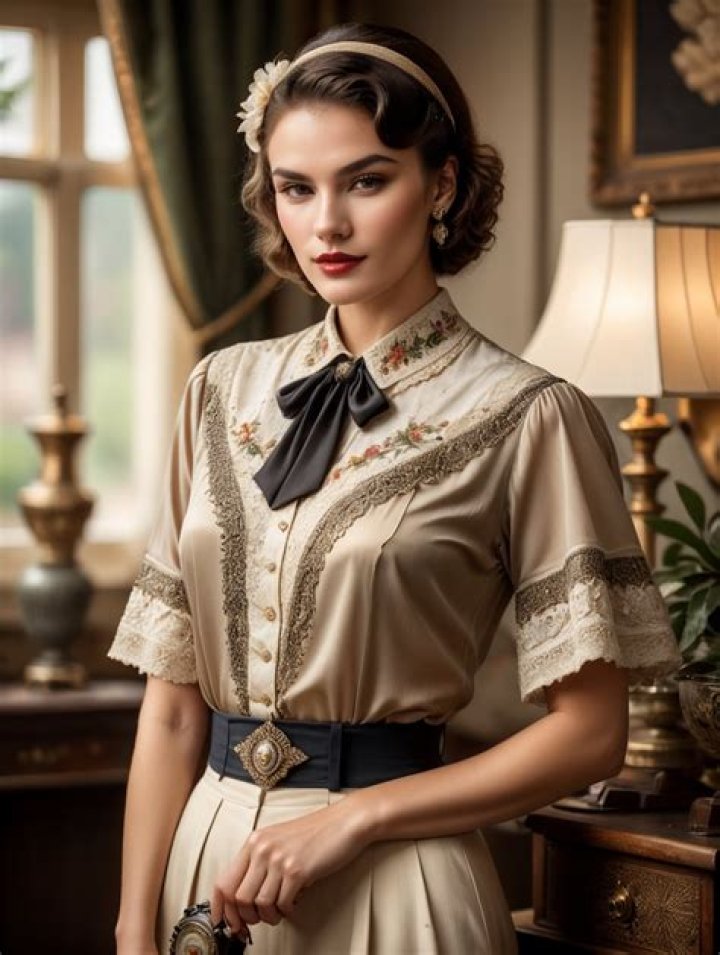
Fashion is an ever-evolving art form that reflects the cultural, social, and economic conditions of its time. The bygone era fashion represents a treasure trove of creativity and innovation, showcasing how societies expressed themselves through clothing. From the opulence of the Victorian era to the rebellious flair of the 1960s, each period has left an indelible mark on the fashion world.
Understanding bygone era fashion is more than just appreciating the aesthetics of the past. It’s about recognizing the historical significance of clothing as a medium of communication, identity, and self-expression. This article will delve into the intricacies of various historical fashion trends, exploring their origins, evolution, and lasting impact on modern fashion.
Join us as we embark on a journey through time, uncovering the secrets of bygone era fashion. Whether you're a fashion enthusiast, a history lover, or simply curious about the past, this article will provide you with a comprehensive overview of how fashion has shaped human history.
Introduction to Bygone Era Fashion
Bygone era fashion refers to the styles and trends that were prominent in previous centuries and decades. These fashion periods are often characterized by distinct silhouettes, materials, and cultural influences. Understanding the context of these eras is crucial to appreciating the evolution of fashion as we know it today.
Each bygone era brought its unique set of challenges and opportunities, shaping the fashion industry in profound ways. From the restrictive corsets of the 1800s to the liberating styles of the 1920s, fashion has consistently mirrored societal changes and aspirations.
Victorian Fashion
Characteristics of Victorian Attire
The Victorian era, spanning from 1837 to 1901, is renowned for its elaborate and structured fashion. Women's dresses featured voluminous skirts supported by crinolines or bustles, while men's attire was characterized by formal suits and top hats. The emphasis on modesty and propriety defined this period's aesthetic.
- Women wore corsets to achieve the ideal hourglass figure.
- Elaborate embroidery and lace adorned garments.
- Dark colors were favored for their elegance and durability.
Edwardian Fashion
Transitioning to a New Style
Following the Victorian era, the Edwardian period (1901-1910) introduced a more relaxed approach to fashion. The "S" silhouette became popular, with women's dresses emphasizing a curvy figure. Men's fashion saw the introduction of lounge suits, which offered greater comfort compared to their predecessors.
The Edwardian era also marked the beginning of fashion as a form of self-expression, paving the way for future innovations.
1920s Flapper Style
The Roaring Twenties
The 1920s were a revolutionary period in fashion history, characterized by the emergence of the flapper style. Women embraced shorter hemlines, bobbed haircuts, and looser garments, symbolizing newfound freedom and independence. The flapper style was a rebellion against traditional norms and a celebration of modernity.
- Drop-waist dresses became the norm.
- Accessories like long pearl necklaces and headbands were essential.
- Jazz music heavily influenced fashion trends.
1950s Retro Fashion
A Time of Post-War Optimism
The 1950s saw a return to structured and feminine fashion, reflecting the post-war economic boom. Full skirts, cinched waists, and pastel colors dominated women's wardrobes, while men favored tailored suits and casual attire like jeans and leather jackets.
This era's fashion was heavily influenced by Hollywood icons and the burgeoning television industry.
1960s Hippie Fashion
The Counterculture Movement
The 1960s were marked by the rise of the hippie movement, which championed peace, love, and individuality. Fashion during this period embraced bold patterns, vibrant colors, and unconventional materials. Bell-bottom pants, tie-dye shirts, and kaftans became staples of the hippie wardrobe.
This era's fashion was a reflection of the societal changes occurring worldwide, emphasizing freedom and self-expression.
70s Disco Fashion
Glamour and Excess
The 1970s disco era brought glitz and glamour to the forefront of fashion. Platform shoes, sequined dresses, and wide-collared shirts were all part of the disco aesthetic. The music scene heavily influenced fashion, with disco clubs becoming runways for the latest trends.
- Denim became a wardrobe staple.
- Fashion was bold, colorful, and daring.
- The era celebrated individuality and experimentation.
Influence of Bygone Era Fashion on Modern Trends
A Legacy of Innovation
Bygone era fashion continues to inspire contemporary designers and fashion enthusiasts. Elements from various periods are often reimagined in modern collections, paying homage to the past while pushing boundaries. The cyclical nature of fashion ensures that trends from bygone eras remain relevant today.
According to a report by Statista, vintage and retro styles account for a significant portion of the global fashion market, highlighting the enduring appeal of historical fashion.
Fashion Icon Analysis
Biography of Coco Chanel
Coco Chanel was a trailblazer in the world of fashion, revolutionizing women's clothing with her innovative designs. Her contributions to the industry have left an indelible mark on the fashion world.
| Full Name | Coco Chanel |
|---|---|
| Date of Birth | August 19, 1883 |
| Place of Birth | Saumur, France |
| Known For | Chanel suit, little black dress, Chanel No. 5 |
The Economic and Social Impact
Shaping Society Through Fashion
Fashion has always played a pivotal role in shaping society, influencing economic structures and social norms. Bygone era fashion, in particular, has had a profound impact on how people perceive themselves and others. From the economic boom of the 1950s to the counterculture movement of the 1960s, fashion has been a catalyst for change.
According to research published in the Journal of Fashion Studies, fashion has contributed significantly to global economies, creating millions of jobs and driving innovation across industries.
Conclusion and Call to Action
Bygone era fashion offers a fascinating glimpse into the past, showcasing the creativity and resilience of human societies. From the opulent designs of the Victorian era to the liberating styles of the 1960s, each period has left an indelible mark on the fashion world. Understanding these trends not only enriches our appreciation of history but also inspires us to embrace the future with confidence and creativity.
We invite you to share your thoughts and insights in the comments section below. Do you have a favorite bygone era fashion trend? Let us know! Additionally, explore our other articles to deepen your knowledge of fashion and history.