Can I Pop a Fever Blister? Everything You Need to Know
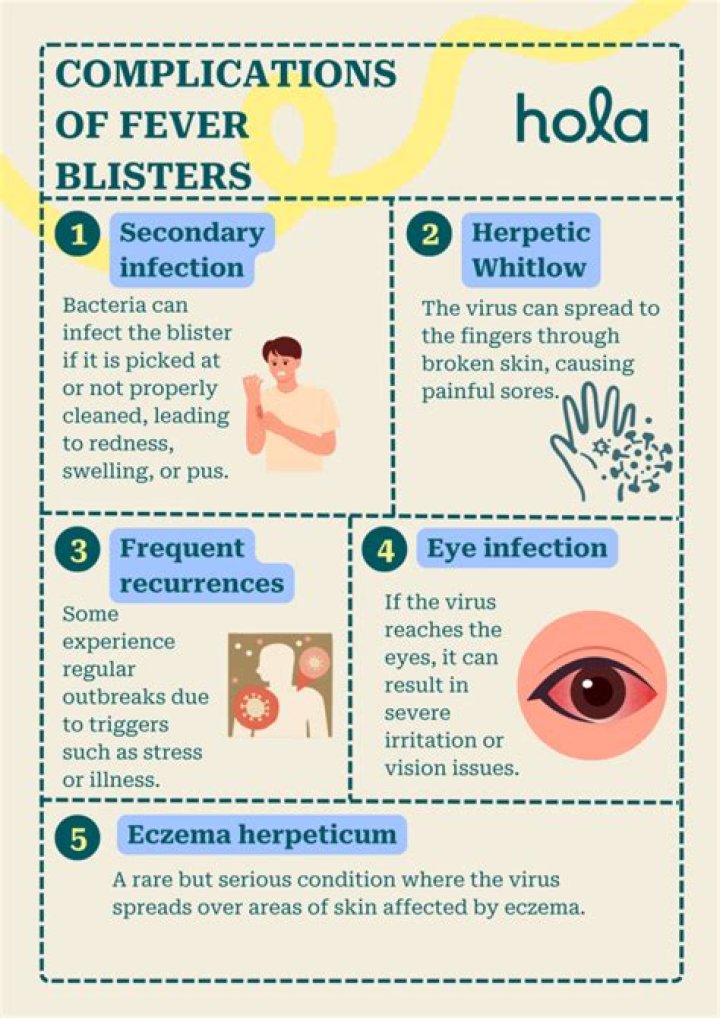
Fever blisters, also known as cold sores, are a common concern for many people. If you're wondering whether you can pop a fever blister, it's important to understand the risks and proper management techniques. Fever blisters are caused by the herpes simplex virus (HSV-1) and can be uncomfortable and unsightly. In this article, we'll explore everything you need to know about fever blisters, including why popping them is not recommended and how to treat them effectively.
Fever blisters are highly contagious and can spread easily through direct contact. Many people experience recurring outbreaks, making it crucial to learn how to manage them properly. While the temptation to pop a fever blister may seem tempting, it can lead to complications and prolong the healing process.
In this comprehensive guide, we'll delve into the causes, symptoms, treatments, and preventive measures for fever blisters. By the end of this article, you'll have a thorough understanding of why popping a fever blister is not advisable and what steps you can take to ensure faster healing and minimize the risk of future outbreaks.
What Is a Fever Blister?
Fever blisters, commonly referred to as cold sores, are small, fluid-filled lesions that typically appear on or around the lips. They are caused by the herpes simplex virus type 1 (HSV-1). While HSV-1 is the primary cause of fever blisters, HSV-2, which is usually associated with genital herpes, can also cause oral sores in some cases.
These blisters are highly contagious and can spread through direct contact, such as kissing, sharing utensils, or touching the affected area. Fever blisters often recur in individuals who have been exposed to the virus, as the virus remains dormant in the body and can reactivate under certain conditions.
Causes of Fever Blister
The primary cause of fever blisters is the herpes simplex virus (HSV-1). Once a person is infected with the virus, it remains in the body for life. Outbreaks can be triggered by various factors, including:
- Stress
- Illness or fever
- Exposure to sunlight or wind
- Hormonal changes, such as those experienced during menstruation
- Weakened immune system
- Injury to the affected area
Understanding these triggers can help individuals manage their condition and reduce the frequency of outbreaks.
Symptoms of Fever Blister
Fever blisters typically progress through several stages, each with distinct symptoms:
- Tingling or itching sensation in the affected area before the blister appears
- Formation of small, fluid-filled blisters
- Pain or discomfort around the lips or mouth
- Swollen lymph nodes
- Fever or flu-like symptoms in severe cases
While the symptoms usually resolve on their own within one to two weeks, treatment can help alleviate discomfort and speed up the healing process.
Can I Pop a Fever Blister?
Popping a fever blister is not recommended, as it can lead to complications and prolong the healing process. When a blister is popped, it exposes the underlying skin, increasing the risk of infection and scarring. Additionally, the fluid inside the blister contains the herpes simplex virus, which can spread to other parts of the body or to others if not handled carefully.
It's important to allow the blister to heal naturally. Avoid touching or scratching the affected area, and practice good hygiene to prevent the spread of the virus.
Treatment Options for Fever Blister
While fever blisters often resolve on their own, there are several treatment options available to manage symptoms and speed up healing.
Over-the-Counter Treatments
Over-the-counter creams and ointments, such as docosanol (Abreva) and benzocaine, can help alleviate pain and reduce the duration of an outbreak. These products are widely available and can be applied directly to the affected area.
Prescription Medications
In cases of severe or recurrent outbreaks, a healthcare provider may prescribe antiviral medications, such as acyclovir, valacyclovir, or famciclovir. These medications can help shorten the duration of the outbreak and reduce the severity of symptoms when taken at the first sign of an outbreak.
Home Remedies
Some individuals find relief through natural remedies, such as:
- Applying a cold compress to reduce swelling and pain
- Using aloe vera gel to soothe the affected area
- Taking lysine supplements to potentially reduce the frequency of outbreaks
While home remedies can provide temporary relief, it's important to consult a healthcare professional before trying new treatments.
Preventing Fever Blister Outbreaks
While it's not possible to completely eliminate the risk of fever blister outbreaks, there are steps you can take to minimize their occurrence:
- Avoid direct contact with individuals who have active fever blisters
- Practice good hygiene, such as washing your hands regularly
- Protect your lips from excessive sun exposure by using sunscreen or lip balm with SPF
- Manage stress through relaxation techniques or therapy
- Boost your immune system with a healthy diet and regular exercise
By adopting these preventive measures, you can reduce the likelihood of experiencing frequent outbreaks.
Myths About Fever Blister
There are several misconceptions surrounding fever blisters. Here are a few common myths and the truth behind them:
- Myth: Fever blisters are caused by poor hygiene. Truth: They are caused by the herpes simplex virus and are not related to cleanliness.
- Myth: Fever blisters only occur in people with weak immune systems. Truth: Anyone who has been exposed to the virus can develop fever blisters, regardless of their immune status.
- Myth: Popping a fever blister helps it heal faster. Truth: Popping a blister can lead to complications and prolong the healing process.
Understanding these myths can help dispel misinformation and promote proper management of fever blisters.
When to See a Doctor
In most cases, fever blisters resolve on their own within one to two weeks. However, there are situations where it's important to seek medical attention:
- If the outbreak is severe or accompanied by high fever
- If the blisters do not heal within two weeks
- If you experience frequent outbreaks that interfere with daily life
- If the blisters spread to other parts of the body
A healthcare provider can offer guidance and treatment options to manage your condition effectively.
FAQ About Fever Blister
Here are some frequently asked questions about fever blisters:
- Q: Are fever blisters contagious? Yes, they are highly contagious and can spread through direct contact.
- Q: Can I kiss someone if I have a fever blister? No, it's best to avoid kissing or sharing items like utensils or towels when you have an active blister.
- Q: Can stress cause fever blisters? Yes, stress is a common trigger for outbreaks.
Conclusion
Fever blisters, while common, can be uncomfortable and unsightly. Understanding the causes, symptoms, and treatment options is essential for managing this condition effectively. It's important to remember that popping a fever blister is not recommended, as it can lead to complications and prolong the healing process.
By following the preventive measures outlined in this article and seeking medical advice when necessary, you can reduce the frequency and severity of outbreaks. We encourage you to share this article with others who may benefit from the information and leave a comment below if you have any questions or additional tips for managing fever blisters.