Creative Ideas for the Google Doodle: Inspiring Art and Innovation
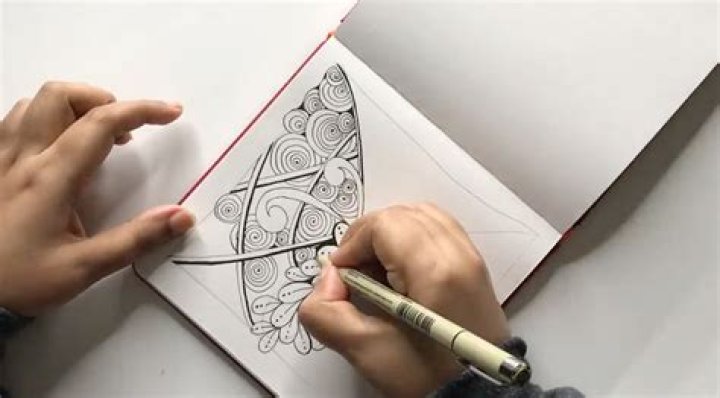
Google Doodle has become a global phenomenon, captivating millions of users with its creative and artistic designs that celebrate significant events, people, and milestones. The doodles are not just decorative elements but serve as a powerful medium to educate, inspire, and entertain users worldwide. Whether it’s honoring historical figures, marking important dates, or showcasing cultural heritage, the Google Doodle continues to evolve and delight its audience.
The concept of the Google Doodle began as a simple idea in 1998 when Google founders Larry Page and Sergey Brin added a stick figure to the company logo to signify their attendance at the Burning Man festival. Since then, it has grown into an intricate and artistic expression that resonates with users across the globe. Each doodle tells a story, bringing attention to lesser-known figures, global celebrations, and groundbreaking achievements.
For artists, designers, and creative minds, brainstorming ideas for the Google Doodle is both a challenge and an opportunity. It involves combining creativity, cultural relevance, and technological innovation to craft designs that resonate with a diverse audience. In this article, we will explore various ideas for the Google Doodle, providing insights into the creative process and offering inspiration for future doodle concepts.
The History of Google Doodle
The Google Doodle has a rich history that dates back to its humble beginnings in 1998. Initially, it was a way for the founders to signal their absence from the office during the Burning Man festival. Over the years, the doodle evolved into an artistic expression, with the first official doodle appearing in 2000 to celebrate Bastille Day. Since then, Google has created thousands of doodles, each with its own unique story and purpose.
Evolution of the Doodle
From static images to interactive animations, the Google Doodle has undergone significant transformations. The introduction of animated doodles in 2010 marked a turning point, allowing users to engage with the designs in new and exciting ways. Today, doodles often incorporate sound, video, and even virtual reality, pushing the boundaries of creativity and technology.
Why Google Doodles Matter
Google Doodles play a crucial role in educating and inspiring users around the world. They highlight important events, celebrate cultural diversity, and honor individuals who have made significant contributions to society. By drawing attention to lesser-known figures and milestones, the doodles help to broaden our understanding of history and culture.
Impact on Global Awareness
The impact of Google Doodles extends beyond mere entertainment. They have the power to raise awareness about critical issues, such as climate change, social justice, and scientific advancements. For example, a doodle celebrating the life of scientist Rosalind Franklin brought attention to her groundbreaking work in DNA research, which had previously gone unrecognized.
Criteria for a Great Google Doodle
Crafting a successful Google Doodle requires careful consideration of several key factors. The design must be visually appealing, culturally relevant, and meaningful to a global audience. Additionally, it should align with Google's mission to inform, educate, and inspire its users.
Key Elements of a Great Doodle
- Visual Appeal: The design should capture attention and convey its message effectively.
- Cultural Relevance: It should resonate with users from diverse backgrounds and cultures.
- Innovation: Incorporating new technologies and interactive elements can enhance user engagement.
- Meaningful Impact: The doodle should educate or inspire users, leaving a lasting impression.
Ideas for Celebrating Global Festivals
Global festivals offer a wealth of inspiration for Google Doodles. From Diwali to Carnival, these celebrations provide an opportunity to showcase cultural traditions and bring communities together. By highlighting these events, Google can promote cultural diversity and foster a sense of unity among its users.
Examples of Festival Doodles
Past doodles have celebrated festivals such as Lunar New Year, Hanukkah, and Thanksgiving. Each design reflects the unique traditions and customs associated with the event, incorporating vibrant colors, symbols, and interactive elements to engage users.
Honoring Historical Figures and Events
Honoring historical figures and events is a cornerstone of the Google Doodle. By recognizing the contributions of individuals who have shaped history, the doodles help to preserve their legacies and inspire future generations. From scientists to artists, activists to leaders, the doodles celebrate a wide range of accomplishments and achievements.
Notable Historical Doodles
Some of the most memorable historical doodles include tributes to figures such as Frida Kahlo, Nelson Mandela, and Ada Lovelace. These designs not only celebrate their lives but also educate users about their impact on society.
Promoting Science and Innovation
Science and innovation are central themes in many Google Doodles. By highlighting breakthroughs in fields such as medicine, technology, and space exploration, the doodles encourage curiosity and inspire future scientists and engineers. They also serve as a reminder of the importance of scientific research and discovery.
Science-Themed Doodles
Examples of science-themed doodles include tributes to Marie Curie, Albert Einstein, and the discovery of the Higgs boson particle. These designs often incorporate interactive elements, allowing users to explore complex scientific concepts in an engaging and accessible way.
Showcasing Art and Culture
Art and culture are integral to the Google Doodle experience. By celebrating artists, musicians, and cultural traditions, the doodles promote creativity and inspire users to explore the world of art. They also provide a platform for lesser-known artists to gain recognition and share their work with a global audience.
Cultural Art Doodles
Past doodles have celebrated artists such as Vincent van Gogh, Pablo Picasso, and Georgia O'Keeffe. These designs often incorporate elements of their signature styles, paying homage to their artistic contributions while introducing users to their work.
Raising Awareness for Environmental Issues
Environmental awareness is a growing concern for many users, and Google Doodles play a vital role in bringing attention to these issues. By highlighting conservation efforts, climate change, and sustainable practices, the doodles encourage users to take action and make a difference in their communities.
Environmental Doodles
Doodles have addressed topics such as Earth Day, endangered species, and renewable energy. These designs often incorporate natural elements, such as animals, plants, and landscapes, to convey their message and inspire users to protect the planet.
Exploring Technology and Space Exploration
Technology and space exploration are recurring themes in Google Doodles. By celebrating advancements in these fields, the doodles inspire users to dream big and explore the possibilities of the future. They also highlight the achievements of scientists, engineers, and astronauts who have pushed the boundaries of human knowledge.
Technology and Space Doodles
Examples of technology and space-themed doodles include tributes to the Apollo 11 moon landing, the Hubble Space Telescope, and the invention of the computer. These designs often incorporate interactive elements, allowing users to explore the science behind these innovations.
The Future of Google Doodles
As technology continues to evolve, so too will the Google Doodle. Future designs may incorporate augmented reality, artificial intelligence, and other cutting-edge technologies to create even more immersive and interactive experiences. The possibilities are endless, and the doodles will undoubtedly continue to inspire and educate users for years to come.
Innovations in Future Doodles
With advancements in technology, future doodles may include virtual reality experiences, real-time data visualization, and personalized designs tailored to individual users. These innovations will enhance the user experience and further solidify the doodle's place as a cultural icon.
Conclusion
In conclusion, the Google Doodle has become an essential part of the digital landscape, providing a platform for creativity, education, and inspiration. From celebrating global festivals to honoring historical figures, the doodles offer a unique way to engage with users and promote cultural diversity. By following the criteria for a great doodle and incorporating innovative technologies, Google can continue to create designs that captivate and inspire its audience.
We invite you to share your thoughts and ideas for future Google Doodles in the comments below. Your feedback and creativity can help shape the next generation of doodles. Additionally, explore other articles on our site to discover more insights into the world of art, technology, and innovation.