Dengue in Puerto Rico: A Comprehensive Guide
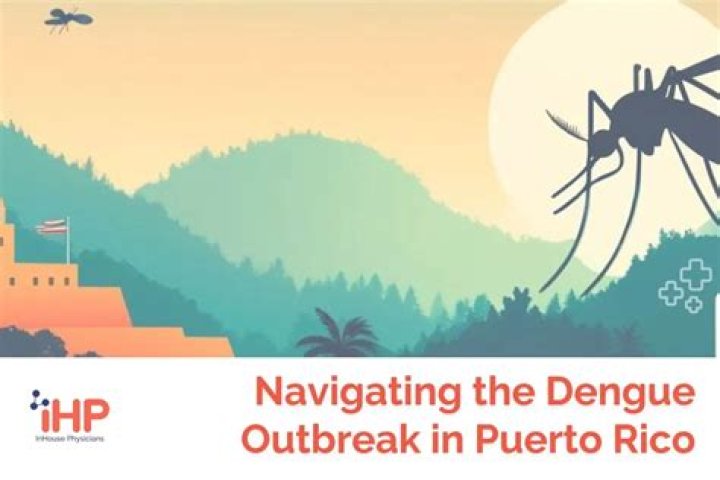
Dengue in Puerto Rico has become a significant public health concern, affecting thousands of residents and visitors annually. The tropical climate of the island provides an ideal environment for the Aedes aegypti mosquito, the primary vector for dengue transmission. Understanding the disease, its symptoms, prevention methods, and treatment options is crucial for anyone living in or traveling to Puerto Rico.
Puerto Rico, with its lush landscapes and vibrant culture, is a popular destination for tourists worldwide. However, the prevalence of dengue fever poses a potential risk to both locals and visitors. This article aims to provide a detailed overview of dengue in Puerto Rico, covering everything from its history and causes to prevention strategies and treatment options.
By the end of this guide, you will have a clear understanding of how dengue affects Puerto Rico, the measures being taken to control its spread, and how you can protect yourself and your loved ones. Let's dive in.
History of Dengue in Puerto Rico
Dengue has a long history in Puerto Rico, with the first recorded outbreak occurring in the 19th century. Since then, the disease has continued to pose a significant challenge to public health on the island. In the 1960s, dengue re-emerged as a major health issue, leading to the establishment of surveillance systems and control programs.
Over the decades, Puerto Rico has experienced multiple outbreaks, with some years seeing tens of thousands of cases. The most severe outbreak occurred in 2010, when more than 21,000 cases were reported, highlighting the need for improved prevention and control measures.
Early Outbreaks and Their Impact
Early outbreaks of dengue in Puerto Rico were often linked to urbanization and population growth. As cities expanded, mosquito breeding grounds increased, facilitating the spread of the disease. The impact of these outbreaks was felt not only in terms of health but also economically, as they strained healthcare resources and affected tourism.
Causes of Dengue Transmission
The primary cause of dengue transmission in Puerto Rico is the Aedes aegypti mosquito. These mosquitoes thrive in tropical and subtropical climates, making Puerto Rico an ideal breeding ground. Factors such as stagnant water, inadequate waste management, and high humidity contribute to the proliferation of mosquito populations.
Factors Contributing to Dengue Spread
- Stagnant water sources
- Inadequate waste management
- High humidity levels
- Urbanization and population density
Symptoms of Dengue Fever
Recognizing the symptoms of dengue fever is crucial for early diagnosis and treatment. Common symptoms include high fever, severe headache, pain behind the eyes, joint and muscle pain, nausea, vomiting, and a rash. In severe cases, dengue can lead to dengue hemorrhagic fever or dengue shock syndrome, which can be life-threatening.
Early Signs of Dengue
Early signs of dengue typically appear within 4 to 10 days after being bitten by an infected mosquito. These signs include:
- Sudden high fever
- Severe headache
- Pain behind the eyes
- Joint and muscle pain
Diagnosis of Dengue
Diagnosing dengue involves a combination of clinical evaluation and laboratory tests. Healthcare providers assess symptoms and may order blood tests to confirm the presence of the dengue virus. Early diagnosis is critical for effective management of the disease.
Common Diagnostic Tests
Several diagnostic tests are used to detect dengue, including:
- NS1 antigen test
- IgM and IgG antibody tests
- PCR (Polymerase Chain Reaction) test
Treatment Options for Dengue
There is no specific antiviral treatment for dengue. Treatment focuses on managing symptoms and preventing complications. Patients are advised to rest, stay hydrated, and take over-the-counter pain relievers. In severe cases, hospitalization may be required to monitor and manage symptoms.
Home Care for Mild Cases
For mild cases of dengue, home care can be effective. Steps include:
- Resting in a cool, shaded area
- Drinking plenty of fluids
- Avoiding aspirin and other nonsteroidal anti-inflammatory drugs (NSAIDs)
Prevention Strategies
Preventing dengue involves a combination of personal protection measures and community-wide efforts. Individuals can protect themselves by using insect repellent, wearing long-sleeved clothing, and using mosquito nets. Communities can reduce mosquito breeding grounds by eliminating stagnant water sources and practicing proper waste management.
Community Efforts to Combat Dengue
Community involvement is essential in controlling dengue. Programs such as neighborhood clean-up drives, public awareness campaigns, and mosquito control initiatives play a crucial role in reducing transmission rates.
Dengue Statistics in Puerto Rico
According to the Centers for Disease Control and Prevention (CDC), dengue cases in Puerto Rico have fluctuated over the years. In 2019, approximately 1,500 cases were reported, while in 2020, the number dropped to around 800 cases. These statistics underscore the importance of sustained efforts to control the disease.
Impact on Public Health
The impact of dengue on public health in Puerto Rico is significant. The disease places a strain on healthcare resources and affects the quality of life for those affected. Continuous monitoring and data collection are essential for understanding trends and developing effective interventions.
Government Efforts to Combat Dengue
The government of Puerto Rico, in collaboration with international health organizations, has implemented various programs to combat dengue. These include surveillance systems, mosquito control initiatives, and public education campaigns. The goal is to reduce transmission rates and improve overall public health outcomes.
Collaboration with International Organizations
Partnerships with organizations such as the World Health Organization (WHO) and the Pan American Health Organization (PAHO) have strengthened Puerto Rico's efforts to control dengue. These collaborations provide access to resources, expertise, and funding to support ongoing initiatives.
Traveler's Guide to Staying Safe
For travelers visiting Puerto Rico, taking precautions against dengue is essential. Recommendations include using insect repellent, wearing protective clothing, and staying in accommodations with air conditioning or mosquito nets. Staying informed about local health advisories can also help travelers make informed decisions.
Tips for Staying Safe
- Use insect repellent containing DEET or picaridin
- Wear long-sleeved shirts and pants
- Stay in air-conditioned or screened accommodations
Future Outlook and Research
The future of dengue control in Puerto Rico looks promising, with ongoing research and development of new tools and strategies. Vaccine development, innovative mosquito control technologies, and improved diagnostic methods are among the areas being explored. Continued investment in research and public health infrastructure will be key to reducing the burden of dengue in the region.
Emerging Technologies
Emerging technologies, such as genetically modified mosquitoes and Wolbachia bacteria, offer new possibilities for controlling mosquito populations. These innovations have the potential to significantly reduce dengue transmission rates and improve public health outcomes in Puerto Rico.
Conclusion
Dengue in Puerto Rico remains a significant public health challenge, but with increased awareness, improved prevention strategies, and ongoing research, the situation can be managed effectively. By understanding the causes, symptoms, and prevention methods, individuals can protect themselves and contribute to community-wide efforts to combat the disease.
We encourage you to share this article with others and explore related topics on our website. Your feedback and questions are valuable to us, so please leave a comment below. Together, we can work towards a healthier, dengue-free Puerto Rico.