Do You Need a Rooster for Hens to Lay Eggs? A Comprehensive Guide
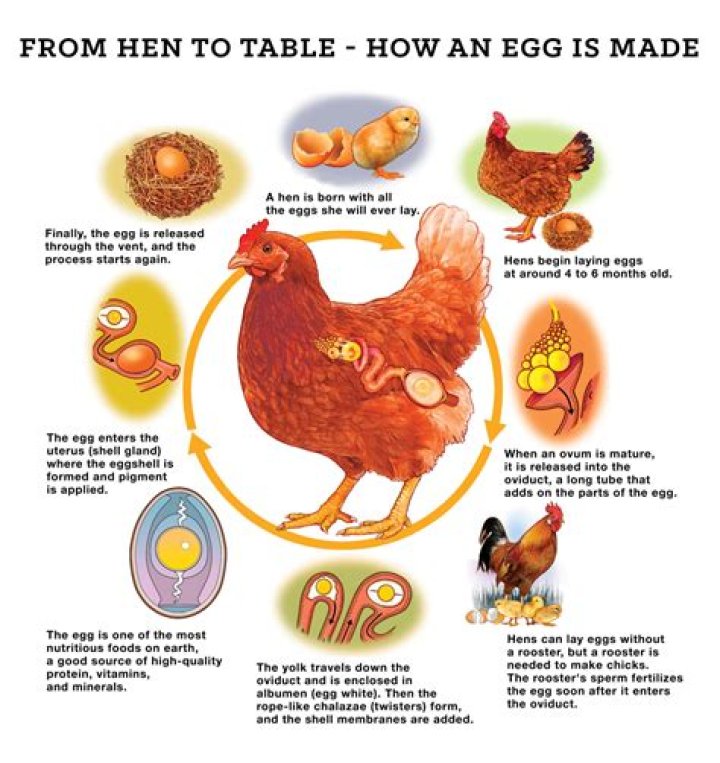
Many people wonder whether a rooster is necessary for hens to lay eggs. If you're new to raising chickens or simply curious about poultry reproduction, this is an important question to explore. The truth is, hens can lay eggs without a rooster, but understanding the nuances of this process is essential for anyone interested in chicken farming or backyard poultry keeping.
Chickens are one of the most common domesticated animals worldwide, and their eggs are a staple in many diets. Whether you're raising chickens for eggs, meat, or simply as pets, understanding the role of roosters and hens is crucial. This article will delve into the biology of egg-laying, the role of roosters, and the practical considerations for keeping chickens.
By the end of this guide, you'll have a clear understanding of whether a rooster is necessary for your hens to lay eggs and how to optimize egg production based on your needs. Let's dive in!
The Biology of Egg-Laying in Hens
Understanding the Egg-Laying Process
Hens are biologically designed to lay eggs as part of their reproductive cycle. Unlike mammals, chickens do not require a male counterpart to produce eggs. The egg-laying process begins in the hen's ovary, where an oocyte (egg cell) matures and is released into the oviduct. As the egg travels through the oviduct, it is coated with albumen (egg white), membranes, and finally the shell.
This process occurs regardless of the presence of a rooster. A healthy hen can lay an egg every 24 to 26 hours under optimal conditions. However, the eggs laid without a rooster are unfertilized, meaning they cannot develop into chicks.
Key Factors Influencing Egg Laying
- Age: Hens typically begin laying eggs at around 18-22 weeks of age.
- Diet: A balanced diet rich in protein and calcium is crucial for consistent egg production.
- Lighting: Hens require about 14-16 hours of light per day to maintain egg-laying cycles.
- Stress: Stressful environments, such as overcrowding or predators, can reduce egg production.
The Role of Roosters in Egg Production
What Do Roosters Do?
Roosters play a vital role in chicken flocks, but their primary function is not directly related to egg-laying. Roosters are responsible for fertilizing eggs, protecting the flock, and maintaining social order. While hens can lay eggs without a rooster, their presence is necessary if you want to produce fertilized eggs for hatching chicks.
Do You Need a Rooster for Eggs?
No, a rooster is not required for hens to lay eggs. Hens will continue to lay eggs regardless of whether a rooster is present. However, if your goal is to hatch chicks, a rooster is essential. Without a rooster, the eggs laid by hens will be unfertilized and incapable of developing into chicks.
Fertilized vs. Unfertilized Eggs
What Is the Difference?
The primary difference between fertilized and unfertilized eggs lies in their reproductive potential. Fertilized eggs contain a developing embryo that can grow into a chick if incubated under the right conditions. Unfertilized eggs, on the other hand, are sterile and cannot develop into chicks.
From a nutritional standpoint, both types of eggs are identical. They contain the same amount of protein, vitamins, and minerals. However, fertilized eggs may have a slightly higher fat content due to the presence of the embryo.
How to Identify Fertilized Eggs
- Check for a small white spot (germinal disc) on the yolk. In fertilized eggs, this spot will be more pronounced and may appear darker.
- Incubate the eggs for a few days and examine them using a candling light to detect signs of embryo development.
Benefits of Keeping Hens Without a Rooster
1. Reduced Noise
Roosters are known for their loud crowing, which can be disruptive, especially in urban or suburban areas. By keeping only hens, you can avoid noise complaints from neighbors and maintain a peaceful environment.
2. Improved Safety
Roosters can be aggressive, particularly when protecting their flock. This behavior can pose a risk to humans, especially children. Keeping hens without a rooster reduces the likelihood of aggressive encounters.
3. Cost Efficiency
Roosters require additional food and resources, which can increase the cost of maintaining a chicken flock. By focusing solely on hens, you can optimize your resources for egg production without the added expense of a rooster.
Challenges of Keeping a Rooster
1. Legal Restrictions
Many cities and municipalities have laws restricting the keeping of roosters due to noise concerns. Before adding a rooster to your flock, check local regulations to ensure compliance.
2. Aggression and Stress
Roosters can become aggressive toward other chickens, leading to stress and potential injury within the flock. This can negatively impact egg production and overall flock health.
3. Overbreeding
If you have too many hens for one rooster, it can lead to overbreeding, which may cause physical harm to the hens. Ensuring a balanced ratio of hens to roosters is crucial for maintaining flock health.
Factors Affecting Egg Production
1. Nutrition
A well-balanced diet is essential for optimal egg production. Hens require a diet rich in protein, calcium, and vitamins to maintain consistent egg-laying cycles. Providing high-quality feed and supplements can help ensure your hens remain healthy and productive.
2. Lighting
Adequate lighting is critical for stimulating egg production. Hens need about 14-16 hours of light per day to maintain their egg-laying cycles. In the winter months, supplemental lighting can help maintain production levels.
3. Stress Management
Stress can significantly impact egg production. Ensure your hens have a safe, clean, and comfortable environment to minimize stress and maximize egg-laying potential.
Choosing the Right Chicken Breeds for Egg Laying
Popular Egg-Laying Breeds
- White Leghorn: Known for their high egg production, White Leghorns can lay up to 300 eggs per year.
- Golden Comet: A hybrid breed that combines excellent egg-laying capabilities with a calm temperament.
- Ameraucana: Famous for their blue-green eggs, Ameraucanas are a favorite among backyard chicken keepers.
Factors to Consider When Choosing Breeds
When selecting chicken breeds for egg production, consider factors such as climate adaptability, temperament, and egg color preferences. Different breeds thrive in various environments, so choose a breed that suits your specific needs and location.
Maintaining Hen Health for Optimal Egg Laying
1. Regular Health Checks
Regularly inspect your hens for signs of illness or injury. Early detection and treatment can prevent more serious health issues that could impact egg production.
2. Parasite Control
External and internal parasites can significantly affect hen health and egg production. Implement a regular parasite control program to keep your flock healthy.
3. Vaccinations
Ensure your hens are vaccinated against common poultry diseases. Consult with a veterinarian to determine the appropriate vaccination schedule for your flock.
Tips for Maximizing Egg Production
1. Provide Clean Water
Fresh, clean water is essential for optimal egg production. Ensure your hens always have access to clean water to maintain their health and productivity.
2. Rotate Nesting Boxes
Regularly clean and rotate nesting boxes to prevent the buildup of bacteria and encourage hens to lay in designated areas.
3. Monitor Egg Quality
Inspect eggs regularly for signs of damage or contamination. Remove any eggs that appear compromised to maintain the quality of your egg supply.
Conclusion
In conclusion, a rooster is not necessary for hens to lay eggs. Hens will continue to produce eggs regardless of the presence of a rooster, but the eggs will be unfertilized unless a rooster is present. Understanding the biology of egg-laying, the role of roosters, and the factors affecting egg production is crucial for anyone raising chickens.
By choosing the right breeds, maintaining hen health, and optimizing environmental conditions, you can maximize egg production and ensure a steady supply of fresh eggs. If you found this article helpful, please share it with others and leave a comment below. For more information on chicken keeping and egg production, explore our other articles on the site.