El Paso Irrigation: A Comprehensive Guide to Sustainable Water Management
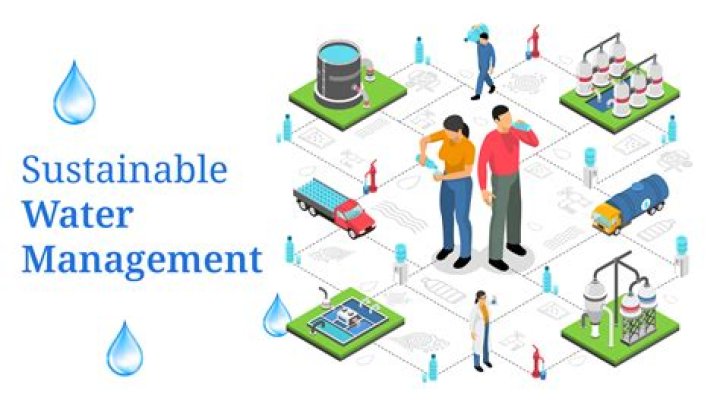
El Paso irrigation represents a critical aspect of water management in the arid Southwest United States. The region's unique geography and climate make efficient irrigation practices essential for agricultural productivity and sustainable living. As water scarcity continues to be a pressing issue, understanding the systems and technologies used in El Paso irrigation is more important than ever.
El Paso, located in the desert region of Texas, faces significant challenges in maintaining water supply for both urban and rural needs. With limited rainfall and growing population demands, innovative irrigation methods have become vital to ensuring the region's prosperity. This article explores the history, techniques, and future of irrigation in El Paso while offering practical insights into water conservation.
Whether you're a farmer, policymaker, or simply someone interested in sustainable water practices, this guide provides valuable information on how El Paso manages its water resources effectively. By understanding the principles behind El Paso irrigation, we can better appreciate the importance of water management in arid environments.
The History of El Paso Irrigation
Early Irrigation Practices
The history of irrigation in El Paso dates back centuries, with early settlers recognizing the need for water management in the arid region. Native American tribes, such as the Manso and Suma, developed basic irrigation systems to sustain their agricultural practices. These early systems relied on natural waterways and simple canals to divert water from the Rio Grande River.
With the arrival of Spanish explorers in the 16th century, more advanced irrigation techniques were introduced. The Spanish brought with them the concept of acequias, traditional irrigation canals that are still used in parts of the Southwest today. These canals played a crucial role in transforming the desert landscape into fertile farmland.
Modern Developments
In the late 19th and early 20th centuries, El Paso experienced rapid growth, leading to the development of more sophisticated irrigation systems. The construction of dams and reservoirs, such as the Elephant Butte Reservoir, provided a more reliable water source for agriculture. These developments allowed farmers to expand their operations and increase crop yields.
Geographical Factors Affecting Irrigation
El Paso's geography significantly impacts its irrigation practices. Situated in the Chihuahuan Desert, the region receives less than 10 inches of rainfall annually. The Rio Grande River serves as the primary water source for irrigation, but its flow varies greatly depending on snowmelt and upstream usage. Understanding these geographical factors is essential for developing effective irrigation strategies.
Irrigation Methods Used in El Paso
Surface Irrigation
Surface irrigation remains one of the most common methods used in El Paso. This technique involves flooding fields with water through a network of canals and ditches. While effective, surface irrigation can be inefficient, leading to water wastage and soil erosion. However, improvements in canal lining and leveling techniques have helped reduce these issues.
Drip Irrigation
Drip irrigation represents a more modern and efficient approach to watering crops. This method delivers water directly to the plant roots through a system of pipes and emitters. Drip irrigation minimizes water loss due to evaporation and ensures that plants receive the precise amount of water they need. As water scarcity becomes more pronounced, drip irrigation is increasingly being adopted in El Paso.
Technological Innovations in Water Management
Advancements in technology have greatly improved water management practices in El Paso. Sensors and satellite imagery now allow farmers to monitor soil moisture levels and adjust irrigation schedules accordingly. Additionally, software programs provide data analytics to optimize water usage and predict future needs. These innovations not only conserve water but also increase crop yields and reduce costs.
Challenges Facing El Paso Irrigation
El Paso irrigation faces several challenges that threaten its sustainability. Climate change has led to more frequent droughts and unpredictable weather patterns, making it difficult to maintain consistent water supplies. Additionally, population growth continues to increase demand for water, straining existing resources. Addressing these challenges requires collaboration between government agencies, farmers, and the local community.
Sustainability Efforts in El Paso Irrigation
Water Recycling
Water recycling plays a vital role in promoting sustainability in El Paso irrigation. Treated wastewater is increasingly being used for irrigation purposes, reducing reliance on freshwater sources. This practice not only conserves water but also helps protect the environment by preventing pollution.
Native Plant Use
Another sustainability effort involves the use of native plants in landscaping and agriculture. Native plants require less water and are better adapted to the local climate, making them ideal for irrigation systems. By incorporating these plants into their operations, farmers can significantly reduce water consumption.
Water Rights and Policies
Water rights and policies are crucial components of El Paso irrigation. The Rio Grande Compact, an agreement between Colorado, New Mexico, and Texas, governs the allocation of water from the Rio Grande River. Understanding these policies is essential for ensuring fair and equitable water distribution among all stakeholders.
The Future of Irrigation in El Paso
The future of irrigation in El Paso depends on continued innovation and cooperation. As technology advances, new methods and tools will emerge to improve water management practices. Additionally, education and outreach programs can help raise awareness about the importance of water conservation and encourage sustainable behaviors.
Community Involvement in Water Conservation
Community involvement is key to the success of El Paso irrigation initiatives. Local organizations and government agencies often host workshops and events to educate residents about water conservation techniques. By participating in these activities, individuals can contribute to the region's overall water management efforts and help ensure a sustainable future.
Conclusion
El Paso irrigation is a complex and evolving field that plays a vital role in the region's prosperity. From its historical roots to modern technological advancements, the practice of water management in El Paso continues to adapt to meet the challenges of today's world. By understanding the principles and techniques behind El Paso irrigation, we can work together to create a more sustainable and water-efficient future.
We invite you to share your thoughts and experiences with El Paso irrigation in the comments below. Additionally, feel free to explore other articles on our site for more information on water management and sustainability. Together, we can make a difference in preserving our precious water resources.
Data and information for this article were sourced from reputable organizations such as the U.S. Geological Survey, Texas Water Development Board, and the Elephant Butte Irrigation District. These sources provide valuable insights into the current state of El Paso irrigation and highlight the importance of ongoing research and development in this field.