Ethos Examples: Mastering Credibility in Communication
In the world of persuasive communication, ethos examples serve as the foundation for establishing trust and authority. Whether you're crafting a speech, writing an essay, or creating content for your brand, understanding how ethos works is essential. Ethos, one of Aristotle's modes of persuasion, focuses on the credibility and character of the speaker or writer. By incorporating strong ethos examples into your work, you can build a connection with your audience and influence their decisions effectively.
From ancient philosophers to modern-day marketers, the use of ethos has remained a powerful tool for persuasion. By demonstrating expertise, trustworthiness, and ethical values, communicators can create content that resonates deeply with their audience. This article will explore various ethos examples and provide actionable insights to help you incorporate this powerful rhetorical device into your own work.
As you delve deeper into the concept of ethos, you'll discover how it plays a crucial role in shaping public opinion, influencing decision-making, and fostering meaningful connections. By the end of this article, you'll have a comprehensive understanding of ethos and its applications in different contexts, empowering you to craft more persuasive and impactful messages.
What is Ethos? Understanding the Concept
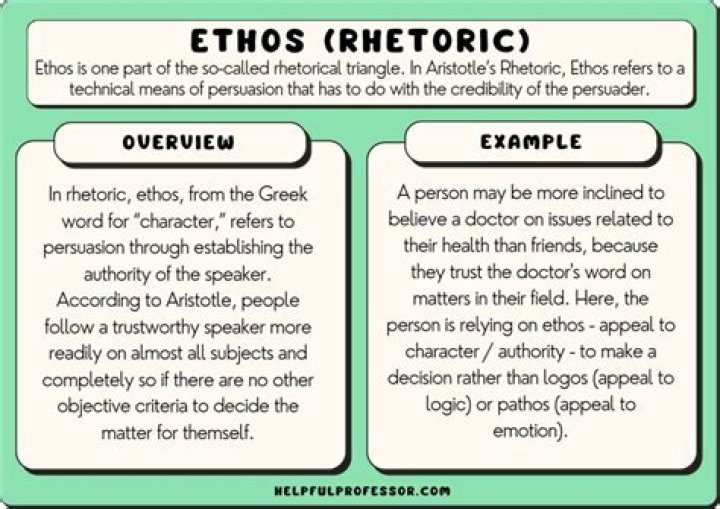
Ethos, derived from the Greek word for "character," refers to the credibility and ethical appeal of a speaker or writer. It is one of the three modes of persuasion identified by Aristotle, alongside logos (logical appeal) and pathos (emotional appeal). When effectively employed, ethos can establish trust and authority, making your message more compelling and convincing to your audience.
At its core, ethos revolves around the perception of the speaker's or writer's character, expertise, and trustworthiness. By showcasing these qualities, you can create a strong foundation for your arguments and influence your audience's beliefs and actions. Ethos is particularly important in contexts where trust and authority play a significant role, such as in leadership, education, and marketing.
Why Ethos Matters in Persuasion
In today's fast-paced world, attention spans are shorter, and audiences are more discerning. Establishing credibility and trust is crucial for capturing and maintaining your audience's interest. Ethos examples highlight the importance of demonstrating expertise, ethical values, and authenticity in communication. By doing so, you can:
- Build trust and rapport with your audience
- Enhance the persuasiveness of your message
- Increase the likelihood of influencing decisions and actions
- Establish yourself as a credible authority in your field
These benefits underscore the significance of ethos in effective communication and its potential to elevate your persuasive efforts.
Key Elements of Ethos
Expertise and Knowledge
One of the primary components of ethos is expertise. Demonstrating a deep understanding of the subject matter and showcasing relevant experience can significantly enhance your credibility. For example, a medical professional discussing health-related topics or a financial expert providing investment advice will naturally carry more weight due to their specialized knowledge.
Trustworthiness and Integrity
Another critical aspect of ethos is trustworthiness. Audiences are more likely to be persuaded by speakers or writers who exhibit honesty, transparency, and ethical behavior. Consistency in actions and words, as well as a commitment to fairness and justice, can reinforce your reputation as a trustworthy communicator.
Reputation and Authority
Your reputation and authority in a given field also contribute to your ethos. Building a strong professional profile through publications, speaking engagements, and community involvement can enhance your perceived credibility. Additionally, receiving endorsements or testimonials from respected peers can further bolster your ethos.
Common Ethos Examples in Everyday Life
Ethos examples can be found in various contexts, from political speeches to advertisements and even personal interactions. Below are some common scenarios where ethos plays a pivotal role:
- Political Campaigns: Politicians often rely on their experience, credentials, and track record to establish credibility with voters.
- Marketing and Advertising: Brands frequently use celebrity endorsements or expert testimonials to enhance the perceived trustworthiness of their products.
- Academic Writing: Researchers and scholars cite authoritative sources and provide evidence-based arguments to build credibility in their work.
- Personal Communication: Individuals may draw on their professional experience or personal achievements to lend weight to their opinions and advice.
These examples illustrate the diverse ways in which ethos can be applied to strengthen persuasive communication across different domains.
How to Develop Strong Ethos
Establish Your Expertise
Begin by showcasing your knowledge and experience in the subject matter. Share relevant qualifications, certifications, and accomplishments to demonstrate your expertise. For instance, if you're writing about climate change, mention your background in environmental science or any related research projects you've undertaken.
Build Trust Through Transparency
Be open and honest in your communication. Clearly state your intentions, disclose any potential biases, and provide accurate information. This level of transparency can foster trust and make your audience more receptive to your message.
Engage with Your Audience
Connecting with your audience on a personal level can enhance your ethos. Use relatable language, acknowledge their concerns, and address their needs. By demonstrating empathy and understanding, you can create a stronger bond with your audience and increase the effectiveness of your communication.
Advanced Ethos Examples in Action
1. Ethos in Leadership
Effective leaders often employ ethos to inspire and motivate their teams. By demonstrating integrity, competence, and a commitment to shared values, leaders can build trust and foster collaboration. For example, a CEO who prioritizes employee well-being and ethical business practices can establish a strong ethos that resonates with both employees and stakeholders.
2. Ethos in Journalism
Journalists rely on ethos to maintain credibility and uphold the integrity of their reporting. By adhering to professional standards, verifying sources, and presenting balanced perspectives, journalists can build trust with their audience. Ethos examples in journalism include citing authoritative sources, providing context for complex issues, and maintaining objectivity in reporting.
3. Ethos in Social Movements
Social activists often leverage ethos to amplify their messages and gain support for their causes. By highlighting their personal experiences, expertise, and commitment to justice, activists can establish credibility and inspire others to join their movement. For instance, a climate activist sharing their research and personal journey in combating environmental challenges can create a compelling ethos that resonates with their audience.
Challenges in Applying Ethos
While ethos is a powerful rhetorical device, its application can present challenges. Misrepresentation of facts, overreliance on credentials, or failure to connect with your audience can undermine your credibility. To overcome these obstacles, it's essential to:
- Ensure the accuracy and relevance of your information
- Balance ethos with logos and pathos for a well-rounded approach
- Stay authentic and genuine in your communication
By addressing these challenges proactively, you can maximize the effectiveness of ethos in your persuasive efforts.
Measuring the Impact of Ethos
Evaluating the impact of ethos requires careful observation and analysis. Pay attention to audience feedback, engagement levels, and the overall reception of your message. Metrics such as social media shares, comments, and conversions can provide valuable insights into the effectiveness of your ethos-based communication. Additionally, seeking constructive criticism from peers and mentors can help refine your approach and enhance your ethos further.
Conclusion: Harnessing the Power of Ethos
Ethos examples demonstrate the critical role of credibility and trust in persuasive communication. By understanding and applying the principles of ethos, you can craft messages that resonate deeply with your audience and drive meaningful change. Remember to:
- Establish your expertise and knowledge
- Build trust through transparency and integrity
- Engage with your audience on a personal level
As you continue to develop your ethos, encourage your readers to share their thoughts and experiences in the comments below. Your feedback and engagement can help refine and expand the conversation around ethos and its applications. Don't forget to explore other articles on our site for more insights into effective communication strategies.