Exploring the Rich Heritage of Traditional Italian Surnames
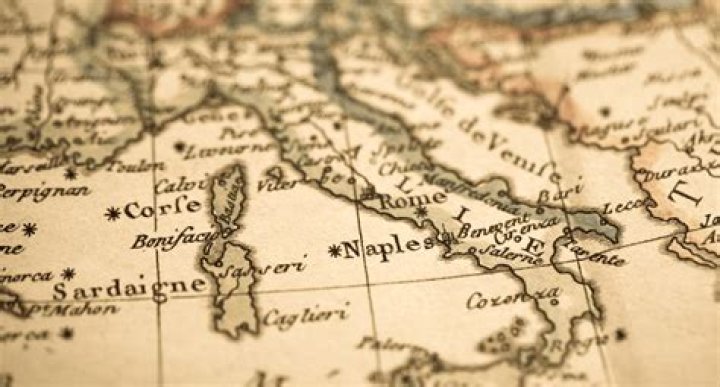
Traditional Italian surnames are a fascinating reflection of Italy's rich history, culture, and regional diversity. These surnames often carry centuries of stories, connecting modern Italians to their ancestors and heritage. If you've ever wondered about the origins and meanings behind these unique names, this article will provide a comprehensive exploration of traditional Italian surnames.
Italy, with its long and storied past, has given rise to a vast array of surnames that vary significantly across its regions. From the rolling hills of Tuscany to the sun-soaked coasts of Sicily, each area has its own naming conventions and traditions. Understanding these surnames offers a deeper insight into the cultural tapestry of Italy.
In this article, we'll delve into the origins, meanings, and regional variations of traditional Italian surnames. Whether you're tracing your Italian ancestry or simply fascinated by the linguistic and cultural nuances of these names, you'll find valuable information here. Let's embark on this journey through time and tradition.
Table of Contents
- The Origin of Traditional Italian Surnames
- Types of Italian Surnames
- Regional Variations in Italian Surnames
- Famous Italian Surnames and Their Stories
- Statistics and Distribution of Italian Surnames
- Researching Your Italian Surname
- Modern Usage of Traditional Italian Surnames
- Legal Aspects of Italian Surnames
- Cultural Heritage and Italian Surnames
- The Future of Italian Surnames
The Origin of Traditional Italian Surnames
Traditional Italian surnames have their roots in various historical factors, including geography, occupation, and family lineage. The use of surnames became more widespread during the Middle Ages as populations grew and the need for more precise identification increased. Initially, these surnames were often descriptive, reflecting a person's characteristics, place of origin, or profession.
Geographical Surnames
- Derived from the names of towns, cities, or regions.
- Examples: Romano (from Rome), Toscano (from Tuscany).
Patronymic Surnames
- Based on the father's name, often with suffixes like -i or -is.
- Examples: Rossi (son of Rosso), Bertolini (son of Bertolo).
Historical Context of Surname Development
During the Renaissance, the use of surnames became more standardized, especially among the nobility and merchant classes. This period also saw the influence of foreign powers, such as the Normans and the Spanish, which contributed to the diversity of Italian surnames. The Napoleonic era further formalized surname usage, introducing civil records that solidified family names.
Types of Italian Surnames
Italian surnames can be broadly categorized into several types, each reflecting different aspects of a person's identity:
Descriptive Surnames
These surnames describe a person's physical characteristics or personality traits.
- Bianchi: White-haired or fair-skinned.
- Grasso: Large or stout.
Occupational Surnames
Derived from the person's profession or trade.
- Ferrari: Blacksmith.
- Contadini: Farmer.
Nickname Surnames
Based on a person's nickname or alias.
- Morelli: Dark-skinned.
- Orlando: Brave warrior.
Regional Variations in Italian Surnames
Italy's diverse regions have given rise to distinct variations in surnames, influenced by local dialects and cultural traditions.
Northern Italian Surnames
Characterized by Germanic and Celtic influences due to historical migrations.
- Bianchi: Common in Lombardy.
- Rossi: Popular in Piedmont.
Southern Italian Surnames
Reflecting Greek, Arabic, and Norman influences.
- Esposito: Common in Naples.
- Greco: Found in Calabria.
Famous Italian Surnames and Their Stories
Some Italian surnames have gained international recognition through famous figures in history, art, and science.
Da Vinci
Leonardo da Vinci, one of the most celebrated figures of the Renaissance, bears a surname that means "from Vinci," a small town in Tuscany.
Galilei
Galileo Galilei, the renowned astronomer and physicist, has a surname that originates from the Latin "Galilaeus," meaning "of Galilee."
Statistics and Distribution of Italian Surnames
According to the Italian National Institute of Statistics (ISTAT), certain surnames dominate the Italian population due to historical and demographic factors.
Top 10 Most Common Italian Surnames
- Rossi
- Russo
- Ferrari
- Esposito
- Bianchi
These surnames are distributed across Italy, with regional concentrations influenced by migration patterns and historical events.
Researching Your Italian Surname
For those interested in tracing their Italian ancestry, several resources and methods can help uncover the origins and meanings of their surnames.
Online Databases
Websites like MyHeritage and Ancestry.com offer extensive databases of Italian records, including census data and immigration records.
Local Archives
Visiting local archives in Italy can provide access to baptismal, marriage, and death records, offering valuable insights into family history.
Modern Usage of Traditional Italian Surnames
While many traditional Italian surnames have endured through generations, modern influences have led to changes in how these names are used and perceived.
Hyphenated Surnames
In recent years, some families have adopted hyphenated surnames to preserve both parents' family names, reflecting changing societal norms.
Globalization
As Italians emigrate worldwide, their surnames have spread across continents, adapting to new languages and cultures while maintaining their unique heritage.
Legal Aspects of Italian Surnames
In Italy, the legal framework surrounding surnames is governed by civil codes that regulate how names are passed down through generations.
Passing Down Surnames
Traditionally, Italian surnames are passed down patrilineally, though recent legal reforms have allowed for more flexibility in naming children.
Changing Surnames
Italian law permits individuals to change their surnames under specific circumstances, such as marriage or adoption, requiring approval from a court.
Cultural Heritage and Italian Surnames
Italian surnames are an integral part of the country's cultural heritage, reflecting its history, traditions, and values.
Preservation Efforts
Various organizations and initiatives aim to preserve the linguistic and cultural significance of Italian surnames, ensuring their legacy endures for future generations.
The Future of Italian Surnames
As Italy continues to evolve, the future of its traditional surnames will be shaped by demographic trends, technological advancements, and cultural shifts.
Globalization and Technology
- Increased interconnectedness may lead to more hybrid surnames.
- Digital tools will enhance surname research and preservation.
Despite these changes, the enduring appeal of traditional Italian surnames lies in their ability to connect people to their roots, preserving the stories and traditions of Italy's past.
Kesimpulan
Traditional Italian surnames offer a window into Italy's rich history and cultural diversity. From their origins and types to regional variations and famous figures, these names tell stories of ancestry, identity, and heritage. Whether you're researching your own Italian surname or simply fascinated by the linguistic intricacies of these names, understanding their significance enriches our appreciation of Italian culture.
We invite you to explore further by leaving a comment, sharing this article, or delving into other resources on Italian surnames. Let's continue the conversation and celebrate the enduring legacy of these remarkable names!