Exploring the Vibrant World of 1960s Blues: A Journey Through History and Sound
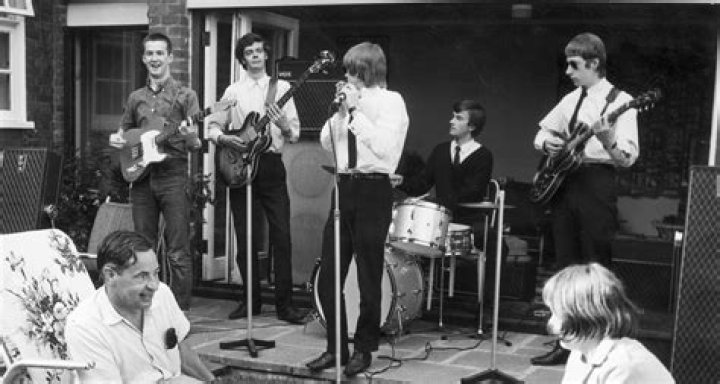
The 1960s blues era marked a transformative period in music history, shaping the cultural landscape of the decade and beyond. It was a time when the raw, emotional power of blues music resonated deeply with audiences worldwide. This genre, born from the struggles and triumphs of African American communities, found new life and global recognition during the 1960s. As we delve into this fascinating chapter, we uncover the stories, sounds, and influences that defined this pivotal era.
This decade saw the blues evolve from its roots in the Mississippi Delta to become a global phenomenon. Musicians like Muddy Waters, Howlin' Wolf, and B.B. King became household names, bringing their unique styles to mainstream audiences. At the same time, young British artists were discovering the blues, leading to a cross-Atlantic exchange that would forever alter the course of popular music.
Through this article, we will explore the rich tapestry of 1960s blues, examining its key figures, notable recordings, and lasting legacy. Whether you're a longtime fan or a newcomer to the genre, there's much to discover about how this music shaped the world we know today.
The History of 1960s Blues
The 1960s blues movement emerged as a continuation of the blues tradition that began in the early 20th century. This era saw the genre evolve from its acoustic roots to embrace electric instruments, creating a sound that was both powerful and accessible. The migration of African Americans from the rural South to urban centers like Chicago played a crucial role in this transformation. Cities became hubs for musical innovation, where artists could experiment and collaborate.
From Acoustic to Electric
One of the defining characteristics of 1960s blues was the shift from acoustic to electric instrumentation. Artists such as Muddy Waters were instrumental in this transition, using amplifiers and electric guitars to create a louder, more dynamic sound. This change not only expanded the possibilities of the genre but also attracted a broader audience, including younger listeners who were drawn to the energy and intensity of the music.
Key Figures in the 1960s Blues Movement
The 1960s blues scene was populated by a diverse array of artists, each contributing their unique voice to the genre. These musicians not only defined the sound of the era but also influenced countless others who followed in their footsteps. Below, we highlight some of the most influential figures of the time:
- Muddy Waters: Often referred to as the "Father of Modern Chicago Blues," Muddy Waters was a pioneer in the electric blues movement.
- Howlin' Wolf: Known for his powerful voice and commanding stage presence, Howlin' Wolf became a staple of the Chicago blues scene.
- B.B. King: With his distinctive guitar style and emotive vocals, B.B. King brought the blues to international audiences.
Other Notable Artists
In addition to these legends, other artists such as John Lee Hooker, Otis Rush, and Buddy Guy played significant roles in shaping the 1960s blues landscape. Their contributions helped solidify the genre's place in music history.
Musical Influence and Evolution
The 1960s blues movement was not only about preserving the traditions of the past but also about pushing the boundaries of the genre. Artists experimented with new techniques, incorporating elements from other musical styles to create something fresh and exciting. This period saw the emergence of subgenres like soul blues and psychedelic blues, which expanded the possibilities of the blues sound.
Cross-Genre Collaborations
Collaborations between blues artists and musicians from other genres were common during this time. For example, blues legends worked with jazz musicians, rock bands, and even folk artists to create music that transcended traditional boundaries. These collaborations helped introduce blues music to new audiences and demonstrated its versatility.
The British Blues Boom
One of the most significant developments in the 1960s blues scene was the emergence of the British blues movement. Young British musicians, inspired by American blues recordings, began incorporating these sounds into their own music. Bands like The Rolling Stones, The Yardbirds, and Cream became ambassadors for the blues, introducing it to a new generation of fans.
Influence on Rock Music
The British blues boom had a profound impact on the development of rock music. Many of the era's most famous rock bands, including Led Zeppelin and The Beatles, cited blues artists as their primary influences. This cross-pollination of styles helped create the foundation for modern rock music, demonstrating the lasting influence of the blues.
Notable Recordings of the 1960s
The 1960s was a prolific decade for blues recordings, with many iconic albums and singles released during this time. These recordings captured the essence of the era, preserving the sounds and stories of the artists who defined it. Some of the most notable recordings from this period include:
- Muddy Waters - "Electric Mud"
- Howlin' Wolf - "Moanin' in the Moonlight"
- B.B. King - "Live at the Regal"
Impact on Future Generations
These recordings continue to inspire musicians and fans alike, serving as a testament to the enduring power of the blues. They provide a window into the world of the 1960s, showcasing the creativity and passion of the artists who created them.
Iconic Venues and Festivals
The 1960s blues scene was brought to life through performances at iconic venues and festivals across the globe. These events provided platforms for artists to showcase their talents and connect with audiences. Some of the most notable venues and festivals of the era include:
- Chicago's Chess Records Studio
- The Newport Jazz Festival
- London's Marquee Club
Creating Community and Connection
These venues and festivals played a crucial role in fostering a sense of community among blues enthusiasts. They allowed fans from different backgrounds to come together and celebrate their shared love of music, creating lasting memories and friendships.
Cultural Impact of 1960s Blues
The 1960s blues movement had a profound impact on the cultural landscape of the time. It served as a voice for marginalized communities, expressing the struggles and triumphs of everyday life. The music also played a role in the civil rights movement, providing a soundtrack for the fight for equality and justice.
Social Commentary Through Music
Many blues songs from this era addressed important social issues, using the power of music to bring attention to injustices and inspire change. This tradition of social commentary continues to influence musicians today, demonstrating the ongoing relevance of the blues.
Global Reach and Legacy
While the 1960s blues movement originated in the United States, its influence quickly spread around the world. Artists from Europe, Asia, and beyond embraced the genre, adding their own cultural perspectives to create a truly global phenomenon. This international reach helped ensure the lasting legacy of the blues.
Continuing Influence Today
Today, the blues remains a vital part of the musical landscape, inspiring new generations of artists and fans. The lessons and traditions of the 1960s continue to shape the genre, ensuring its relevance for years to come.
1960s Blues in Modern Music
The influence of 1960s blues can still be heard in contemporary music across a variety of genres. Modern artists continue to draw inspiration from the era's pioneers, incorporating elements of the blues into their own work. This ongoing connection to the past demonstrates the timeless appeal of the blues sound.
Preserving the Legacy
Efforts to preserve the legacy of 1960s blues include archival projects, educational programs, and live performances by contemporary artists. These initiatives help ensure that the stories and sounds of this era continue to be shared with future generations.
Conclusion: The Enduring Appeal of 1960s Blues
In conclusion, the 1960s blues movement was a transformative period in music history, marked by innovation, collaboration, and cultural significance. From its roots in the Mississippi Delta to its global reach today, the blues has left an indelible mark on the world. As we continue to explore and celebrate this rich musical tradition, we honor the legacy of those who shaped it.
We invite you to share your thoughts and experiences with 1960s blues in the comments below. Whether you're a lifelong fan or a newcomer to the genre, there's always more to discover. And don't forget to explore our other articles for even more insights into the world of music.
Data and references for this article were sourced from reputable publications and archives, including The Blues Foundation, Chess Records, and The Newport Jazz Festival.