Exploring the Vibrant World of Psychedelic Bands in the 1960s
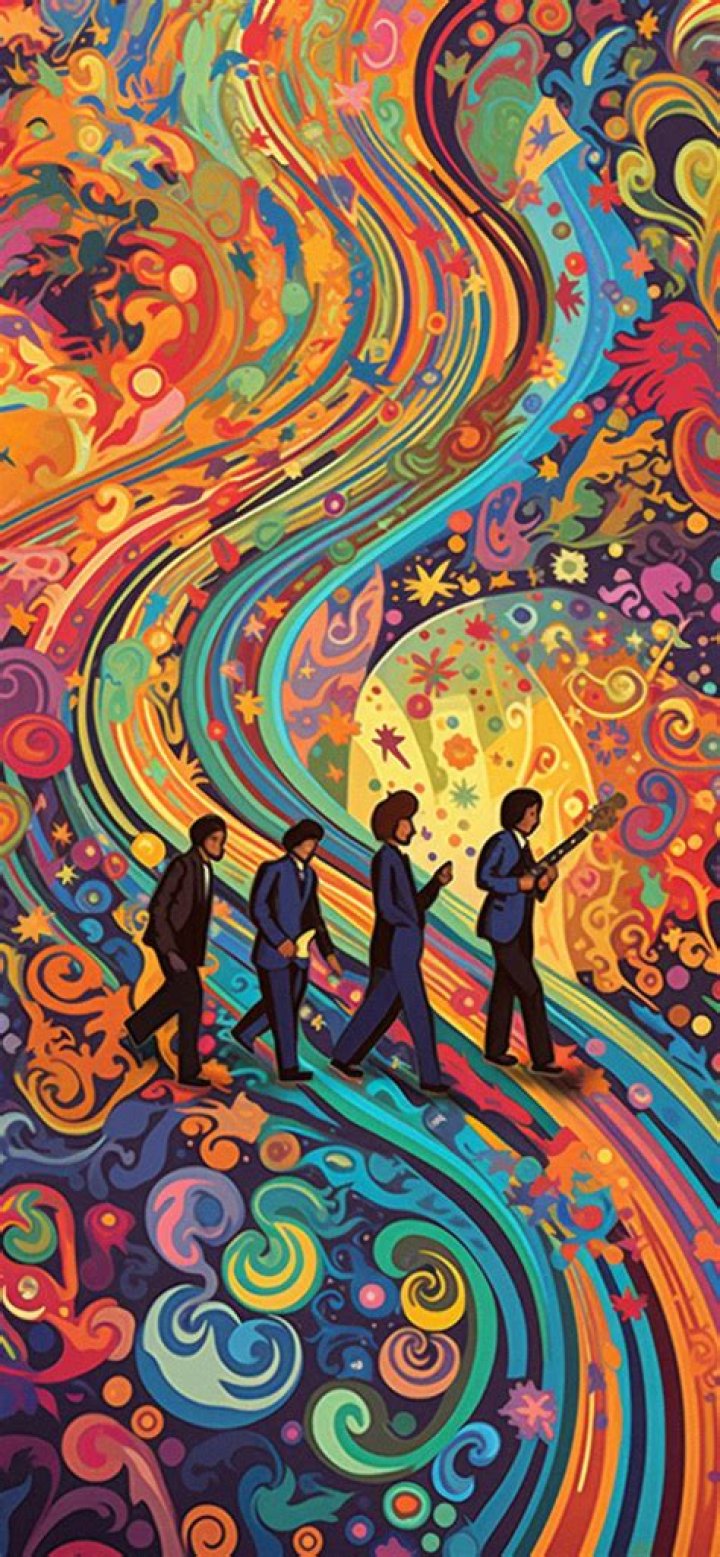
Psychedelic bands in the 1960s revolutionized the music industry with their innovative sounds and mind-expanding themes. This era marked a turning point in music history, where experimentation and creativity flourished like never before. The psychedelic movement not only influenced music but also permeated art, fashion, and culture worldwide.
The 1960s was a transformative decade, characterized by social upheaval, cultural experimentation, and a quest for new experiences. Psychedelic music emerged as a powerful medium that captured the spirit of the times, blending Eastern philosophies, surreal lyrics, and innovative soundscapes. This genre resonated deeply with a generation seeking to break free from traditional norms.
This article will delve into the world of psychedelic bands from the 1960s, exploring their origins, influences, and lasting legacy. Whether you're a music enthusiast or simply curious about this fascinating era, you'll discover the rich tapestry of sounds and stories that defined psychedelic music. Let's embark on a journey through time and explore the vibrant world of psychedelic bands in the 1960s.
Origins of Psychedelic Music
The roots of psychedelic music can be traced back to the early 1960s, a time when counterculture movements were gaining momentum. Artists began experimenting with unconventional sounds, drawing inspiration from various sources such as Indian classical music, jazz, and electronic music. This experimentation laid the foundation for the psychedelic genre, which became synonymous with the "hippie" movement and the pursuit of expanded consciousness.
Psychedelic bands emerged from cities like San Francisco, London, and Los Angeles, where the cultural climate was ripe for innovation. The use of hallucinogenic drugs, particularly LSD, played a significant role in shaping the sound and themes of this genre. Musicians sought to replicate the sensory experiences of altered states of mind through their music, creating a unique auditory journey for listeners.
How Psychedelic Music Evolved
The evolution of psychedelic music was marked by several key developments:
- Experimentation with Instruments: Bands began incorporating unconventional instruments such as sitars, organs, and electronic synthesizers.
- Innovative Recording Techniques: Studios became laboratories for experimentation, with techniques like tape loops and reverse playback being used to create otherworldly sounds.
- Surreal Lyrics: Songwriters embraced abstract and poetic lyrics, often inspired by literature, philosophy, and personal experiences.
Defining Features of Psychedelic Bands
Psychedelic bands in the 1960s were characterized by several distinctive features that set them apart from other genres:
1. Sonic Experimentation
One of the hallmarks of psychedelic music was its emphasis on sonic exploration. Bands pushed the boundaries of sound, using innovative recording techniques and unconventional instruments to create immersive auditory experiences.
2. Surreal Lyrics
Lyrics in psychedelic music often reflected themes of introspection, spirituality, and altered states of consciousness. Poetic and abstract in nature, these lyrics invited listeners to interpret their meaning in personal ways.
3. Visual Aesthetics
Psychedelic bands were not just about the music; they also embraced vibrant visual aesthetics. Album covers, concert posters, and fashion styles were infused with bold colors, intricate patterns, and surreal imagery that complemented the music.
Famous Psychedelic Bands of the 1960s
The 1960s saw the rise of numerous psychedelic bands that left an indelible mark on the music industry. Some of the most iconic bands from this era include:
1. The Beatles
While The Beatles started as a pop band, they transitioned into psychedelic territory with albums like "Sgt. Pepper's Lonely Hearts Club Band." Their experimentation with sound and lyrics redefined the possibilities of rock music.
2. The Doors
Known for their enigmatic frontman Jim Morrison, The Doors crafted a unique blend of rock, blues, and psychedelia. Songs like "Break on Through" and "The End" remain timeless classics.
3. Jefferson Airplane
A key figure in the San Francisco music scene, Jefferson Airplane epitomized the psychedelic sound with hits like "White Rabbit" and "Somebody to Love."
Cultural and Musical Influences
The psychedelic movement was deeply influenced by a variety of cultural and musical factors:
1. Eastern Philosophy
Many psychedelic bands drew inspiration from Eastern philosophies, incorporating elements of Indian classical music and spiritual practices into their work. The Beatles' collaboration with Ravi Shankar is a prime example of this influence.
2. Counterculture Movements
The anti-establishment sentiments of the 1960s counterculture movements provided fertile ground for the growth of psychedelic music. Themes of peace, love, and liberation were central to the genre.
3. Technological Advancements
The development of new recording technologies allowed musicians to explore soundscapes in ways that were previously unimaginable. This technological progress played a crucial role in shaping the psychedelic sound.
Key Figures in the Psychedelic Movement
Several individuals played pivotal roles in the psychedelic movement:
1. Timothy Leary
A prominent advocate of LSD, Timothy Leary popularized the phrase "Turn on, tune in, drop out," encapsulating the ethos of the psychedelic era.
2. Brian Wilson
The Beach Boys' Brian Wilson pushed the boundaries of pop music with his ambitious compositions, particularly on the album "Pet Sounds," which influenced many psychedelic bands.
3. Janis Joplin
Known for her powerful voice and raw emotional delivery, Janis Joplin became a symbol of the psychedelic era, fronting the band Big Brother and the Holding Company.
Impact on Music and Society
The influence of psychedelic bands in the 1960s extended far beyond the music industry:
1. Musical Innovation
Psychedelic music paved the way for future genres like progressive rock, electronic music, and ambient music. Its emphasis on experimentation and creativity inspired countless artists across generations.
2. Cultural Transformation
The psychedelic movement contributed to a broader cultural shift, challenging societal norms and promoting ideals of peace, love, and individual freedom. It left a lasting impact on art, fashion, and literature.
3. Social Awareness
Many psychedelic bands used their platform to address social and political issues, raising awareness about topics such as war, inequality, and environmental concerns.
Sub-Genres of Psychedelic Music
Within the broader category of psychedelic music, several sub-genres emerged:
1. Acid Rock
Characterized by heavy guitar riffs and improvisational solos, acid rock bands like The Jimi Hendrix Experience and Cream pushed the limits of rock music.
2. Psychedelic Folk
This sub-genre combined folk music traditions with psychedelic elements, as seen in the work of artists like Donovan and Bob Dylan.
3. Space Rock
Space rock bands like Pink Floyd and Hawkwind created expansive soundscapes that transported listeners to otherworldly realms.
Notable Albums and Songs
Here are some of the most iconic albums and songs from the psychedelic era:
1. Sgt. Pepper's Lonely Hearts Club Band - The Beatles
This groundbreaking album is often cited as one of the greatest works in music history, blending psychedelic sounds with pop sensibilities.
2. Are You Experienced - The Jimi Hendrix Experience
Featuring tracks like "Purple Haze" and "Hey Joe," this album showcased Hendrix's unparalleled guitar skills and innovative approach to music.
3. Surrealistic Pillow - Jefferson Airplane
This album introduced the world to "White Rabbit," a psychedelic anthem that became synonymous with the era.
Legacy of 1960s Psychedelic Bands
The legacy of psychedelic bands in the 1960s continues to resonate in modern music:
1. Influence on Contemporary Artists
Artists across genres cite psychedelic music as a major influence, with bands like Tame Impala and MGMT drawing inspiration from the sounds of the 1960s.
2. Preservation of Cultural Heritage
Through festivals, documentaries, and reissues of classic albums, the psychedelic movement is being preserved and celebrated for future generations.
3. Enduring Appeal
The timeless quality of psychedelic music ensures its continued relevance, captivating new audiences with its innovative spirit and thought-provoking themes.
Conclusion and Final Thoughts
The psychedelic bands of the 1960s redefined the boundaries of music, creating a genre that remains influential to this day. Their experimentation with sound, lyrics, and visual aesthetics left an indelible mark on the music industry and broader culture. As we reflect on this transformative era, it becomes clear that the legacy of these bands will endure for generations to come.
What are your thoughts on psychedelic music from the 1960s? Share your favorite bands, albums, or songs in the comments below. And don't forget to explore more articles on our website for a deeper dive into the world of music and culture.