Famous Prisons in Russia: Exploring the History and Legacy
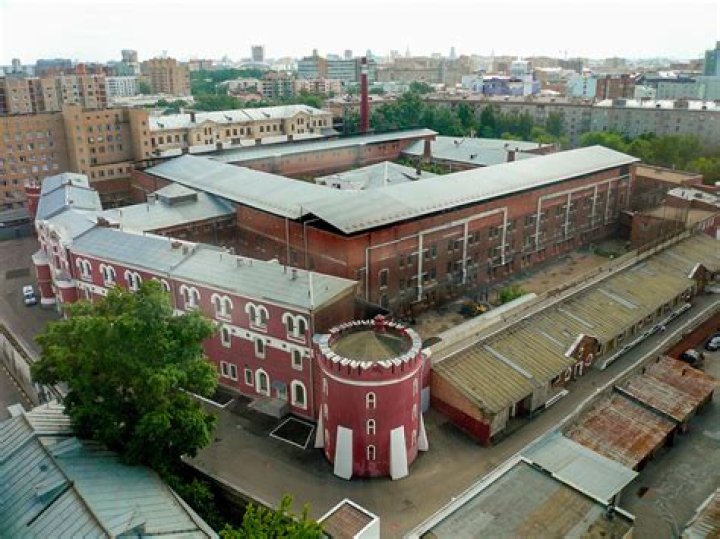
Russia is home to some of the world's most notorious prisons, with a history that dates back centuries. These infamous institutions have played a significant role in shaping the country's legal and penal systems. From their architecture to their impact on society, these prisons continue to intrigue historians, travelers, and enthusiasts alike.
When we talk about famous prisons in Russia, we're not just discussing places of confinement but also symbols of power, resilience, and human rights struggles. These institutions have housed some of the most influential figures in Russian history, including political dissidents and revolutionaries. Understanding their stories provides insight into the complex socio-political landscape of Russia.
In this article, we will delve into the history, significance, and legacy of these famous Russian prisons. Whether you're a history buff, a travel enthusiast, or simply curious about the darker sides of human civilization, this exploration will offer valuable insights into the world of Russian penitentiaries.
The History of Russian Prisons
Russian prisons have a long and complex history, dating back to the early days of the Russian Empire. Initially, prisons were used primarily for holding political prisoners and criminals awaiting trial. Over time, they evolved into full-fledged penitentiary systems designed to punish and rehabilitate offenders.
One of the earliest known prisons in Russia is the Peter and Paul Fortress in St. Petersburg, which was established in the early 18th century. This fortress served as a prison for high-profile political prisoners, including members of the Russian nobility and intellectuals. Its imposing structure and strict security measures made it one of the most feared institutions in the empire.
During the Soviet era, the prison system expanded significantly, with the creation of labor camps known as Gulags. These camps were notorious for their harsh conditions and were used to imprison millions of people, including political dissidents, criminals, and innocent civilians.
Notorious Prisons in Russia
Peter and Paul Fortress
Located in St. Petersburg, the Peter and Paul Fortress is one of Russia's most famous prisons. It was originally built as a fortress to protect the city from foreign invaders but later became a prison for high-profile political prisoners. Some of the notable inmates include Fyodor Dostoevsky and Leon Trotsky.
Vladivostok Central Prison
Vladivostok Central Prison, located in the far eastern city of Vladivostok, is another infamous institution. Known for its strict discipline and harsh conditions, this prison has housed some of Russia's most dangerous criminals. Today, it serves as a museum, offering visitors a glimpse into the lives of prisoners during the Soviet era.
Kresty Prison
Kresty Prison, located in St. Petersburg, is one of the largest and oldest prisons in Russia. Its distinctive cross-shaped design gives it its name and makes it a recognizable landmark in the city. Kresty has housed thousands of prisoners over the years, including political dissidents and criminals.
Architecture of Russian Prisons
The architecture of Russian prisons reflects the country's history and cultural heritage. Many of these institutions were designed to instill fear and respect for authority, with imposing structures and strict security measures. The Peter and Paul Fortress, for example, features thick stone walls and narrow windows, making it nearly impossible for prisoners to escape.
In contrast, modern Russian prisons are often built with more functional designs, focusing on efficiency and cost-effectiveness. However, they still maintain strict security protocols to prevent escapes and ensure the safety of both prisoners and staff.
Political Prisoners in Russia
Throughout its history, Russia has been known for its treatment of political prisoners. During the Soviet era, millions of people were imprisoned or sent to labor camps for expressing dissenting opinions or opposing the government. Some of the most famous political prisoners include:
- Alexander Solzhenitsyn
- Andrei Sakharov
- Nadezhda Tolokonnikova
Today, concerns about political prisoners in Russia continue to dominate international headlines. Human rights organizations frequently criticize the country for its treatment of opposition leaders and activists, highlighting the ongoing struggle for justice and reform.
Human Rights Concerns
The human rights situation in Russian prisons remains a major concern for international organizations and governments. Reports of overcrowding, inadequate medical care, and abuse by prison staff are common. In recent years, several high-profile cases have brought attention to these issues, prompting calls for reform and accountability.
Despite these challenges, some progress has been made in improving conditions for prisoners. For example, the introduction of video court hearings has reduced the need for prisoners to be transported to court, improving their safety and reducing administrative burdens.
Modern-Day Prisons in Russia
Today, the Russian prison system continues to evolve, with efforts to modernize facilities and improve conditions for inmates. However, many challenges remain, including overcrowding, corruption, and lack of resources. The government has introduced several initiatives aimed at addressing these issues, including the construction of new facilities and the implementation of rehabilitation programs.
Despite these efforts, the legacy of the Soviet-era prison system continues to influence the current state of Russian penitentiaries. Many of the older facilities still operate today, with their harsh conditions and outdated infrastructure serving as a reminder of the country's turbulent past.
Famous Inmates of Russian Prisons
Over the years, Russian prisons have housed some of the most famous and influential figures in history. These individuals have left a lasting impact on the country's cultural and political landscape. Some of the most notable inmates include:
- Fyodor Dostoevsky - Renowned author and intellectual
- Leon Trotsky - Revolutionary leader and political theorist
- Alexander Solzhenitsyn - Nobel Prize-winning writer and dissident
These individuals, among others, have contributed to the rich and complex history of Russian prisons, highlighting the intersection of power, justice, and human rights.
Prison Tourism in Russia
In recent years, prison tourism has become a popular trend in Russia, with visitors eager to explore the country's infamous penitentiary institutions. Many of these sites have been transformed into museums, offering guided tours and educational programs. The Peter and Paul Fortress, for example, attracts thousands of visitors each year, providing insight into the lives of prisoners during the imperial and Soviet eras.
While prison tourism offers valuable educational opportunities, it also raises ethical concerns about the commodification of human suffering. Critics argue that turning former prisons into tourist attractions diminishes the experiences of those who suffered within their walls. As such, it is important to approach this phenomenon with sensitivity and respect for the past.
Statistics and Data
According to recent data, Russia has one of the highest incarceration rates in the world, with over 500,000 people currently imprisoned. This figure represents a significant portion of the country's population, highlighting the challenges facing the prison system. Key statistics include:
- Incarceration rate: Approximately 396 prisoners per 100,000 people
- Number of prisons: Over 700 facilities nationwide
- Average length of sentence: 5-10 years
These numbers underscore the need for reform and innovation in the Russian penal system, as well as greater attention to issues of human rights and justice.
Conclusion
Russian prisons have played a significant role in shaping the country's history and cultural identity. From their origins as fortresses and labor camps to their current state as modern penitentiary institutions, these facilities have evolved to meet the changing needs of society. However, challenges such as overcrowding, corruption, and human rights abuses continue to plague the system, necessitating ongoing efforts to improve conditions and promote justice.
As we continue to explore the world of Russian prisons, it is important to remember the stories of those who have suffered within their walls. By learning from the past, we can work towards a future where justice and human rights are prioritized above all else. We invite you to share your thoughts and experiences in the comments below, and encourage you to explore other articles on our site for more insights into the fascinating world of Russian history and culture.