Film Language: Understanding the Art of Visual Storytelling
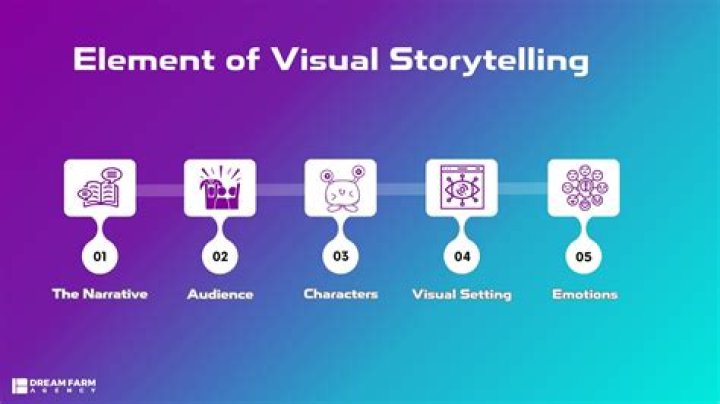
When we talk about film language, we are diving into the intricate world of cinematic communication that transcends spoken words. Film language encompasses everything from visual storytelling techniques to sound design, creating an immersive experience for the audience. It is the backbone of how films convey emotions, narratives, and ideas effectively.
Film language is not just about dialogue; it's about how every element of a film works together to tell a story. From camera angles and editing techniques to lighting and sound, each component plays a crucial role in shaping the audience's perception and understanding of the narrative.
Understanding film language is essential for filmmakers, critics, and enthusiasts alike. It allows us to appreciate the depth and complexity of movies, recognizing the subtle nuances that make a film truly memorable. In this article, we will explore the various aspects of film language, providing insights into how it shapes the cinematic experience.
What is Film Language?
At its core, film language refers to the techniques and methods used in filmmaking to communicate ideas, emotions, and narratives to the audience. Unlike spoken or written language, film language relies on visual and auditory elements to convey meaning. This includes everything from the composition of a shot to the use of music and sound effects.
The concept of film language has evolved over time, influenced by technological advancements and cultural shifts. Filmmakers use a combination of visual and auditory cues to create a cohesive narrative that resonates with viewers on an emotional level.
Understanding film language is crucial for both creators and consumers of cinema. It allows filmmakers to craft compelling stories and enables audiences to appreciate the artistry behind the films they watch.
Elements of Film Language
Visual Storytelling
Visual storytelling is one of the most critical components of film language. It involves using images, composition, and movement to convey a narrative without relying heavily on dialogue. Filmmakers use various techniques such as framing, lighting, and color grading to enhance the visual storytelling experience.
- Framing: The way a subject is positioned within a shot can influence how the audience perceives it.
- Lighting: Proper lighting can evoke specific moods and highlight important elements within a scene.
- Color Grading: Adjusting the color palette of a film can create a distinct atmosphere and emotional tone.
Sound Design
Sound design is another vital aspect of film language. It encompasses everything from dialogue and music to sound effects and ambient noise. Effective sound design enhances the audience's immersion in the story, making the experience more engaging and memorable.
For instance, the use of diegetic and non-diegetic sound can create layers of meaning within a film. Diegetic sounds are those that originate within the world of the film, such as dialogue or background noise, while non-diegetic sounds, like a film's score, exist outside the narrative but still influence the viewer's emotional response.
History of Film Language
The evolution of film language can be traced back to the early days of cinema. Silent films relied heavily on visual storytelling, as they lacked the ability to convey dialogue through sound. Pioneering filmmakers like D.W. Griffith and Sergei Eisenstein developed innovative techniques that laid the foundation for modern film language.
With the advent of sound in films, the language of cinema expanded to include auditory elements. This allowed filmmakers to experiment with new techniques, such as synchronized sound and complex soundscapes, further enriching the cinematic experience.
Importance of Film Language
Film language is essential for effective communication in cinema. It allows filmmakers to convey complex ideas and emotions without relying solely on dialogue. By utilizing various techniques and elements, filmmakers can create a richer, more immersive experience for their audience.
Moreover, understanding film language enables viewers to appreciate the artistry and craftsmanship behind filmmaking. It allows them to recognize the deliberate choices made by filmmakers and how these choices contribute to the overall narrative.
Techniques in Film Language
Camera Angles
Camera angles play a significant role in film language. They determine how the audience perceives the characters and events within a scene. For example, a low-angle shot can make a character appear more powerful, while a high-angle shot can create a sense of vulnerability.
Other common camera angles include:
- Eye-Level Shot: Used to create a sense of equality between characters.
- Dutch Angle: Employed to evoke a sense of unease or disorientation.
- Close-Up: Focuses on a character's facial expressions to convey emotions.
Editing
Editing is another crucial technique in film language. It involves assembling shots and sequences to create a coherent narrative. Effective editing can enhance the pacing of a film, build tension, and guide the audience's attention to specific elements within a scene.
Techniques such as cross-cutting, jump cuts, and match cuts are commonly used in editing to achieve different effects. These techniques allow filmmakers to manipulate time and space within a film, creating a more dynamic and engaging experience for the audience.
Film Language in Modern Cinema
In modern cinema, film language continues to evolve with advancements in technology. The rise of digital filmmaking has opened up new possibilities for filmmakers to experiment with visual and auditory techniques. High-definition cameras, advanced editing software, and sophisticated sound design tools have all contributed to the development of film language in contemporary films.
Moreover, the globalization of cinema has led to the exchange of film language techniques across cultures. Filmmakers from different parts of the world are influencing one another, resulting in a more diverse and rich cinematic landscape.
How Film Language Affects Audience
Film language has a profound impact on the audience's experience of a film. It shapes how viewers perceive characters, settings, and events within the narrative. By using various techniques and elements, filmmakers can evoke specific emotions and responses from their audience.
For example, the use of a slow-motion shot can create a sense of drama or tension, while a fast-paced editing sequence can build excitement and anticipation. The combination of visual and auditory elements in film language allows filmmakers to craft a unique and memorable experience for their audience.
Challenges in Film Language
While film language offers immense creative possibilities, it also presents challenges for filmmakers. One of the main challenges is striking a balance between innovation and accessibility. Filmmakers must ensure that their use of film language enhances the narrative without alienating the audience.
Another challenge is staying current with technological advancements. As new tools and techniques emerge, filmmakers must continuously adapt to remain relevant in the ever-evolving world of cinema.
Future of Film Language
The future of film language looks promising, with ongoing advancements in technology and the increasing globalization of cinema. Emerging technologies such as virtual reality and augmented reality are opening up new avenues for filmmakers to explore. These technologies offer the potential to create even more immersive and interactive cinematic experiences.
Additionally, the continued exchange of ideas and techniques across cultures will further enrich the language of film. As filmmakers continue to push the boundaries of what is possible in cinema, the possibilities for film language are virtually limitless.
Conclusion
Film language is a vital component of the cinematic experience, encompassing everything from visual storytelling to sound design. By understanding and utilizing the various techniques and elements of film language, filmmakers can create compelling narratives that resonate with audiences on an emotional level.
We encourage you to explore the world of film language further by watching films with a critical eye, paying attention to the techniques used by filmmakers to tell their stories. Share your thoughts and insights in the comments below, and don't forget to explore other articles on our site for more in-depth discussions on cinema and beyond.