Hawaii Cost of Living: A Comprehensive Guide for Future Residents
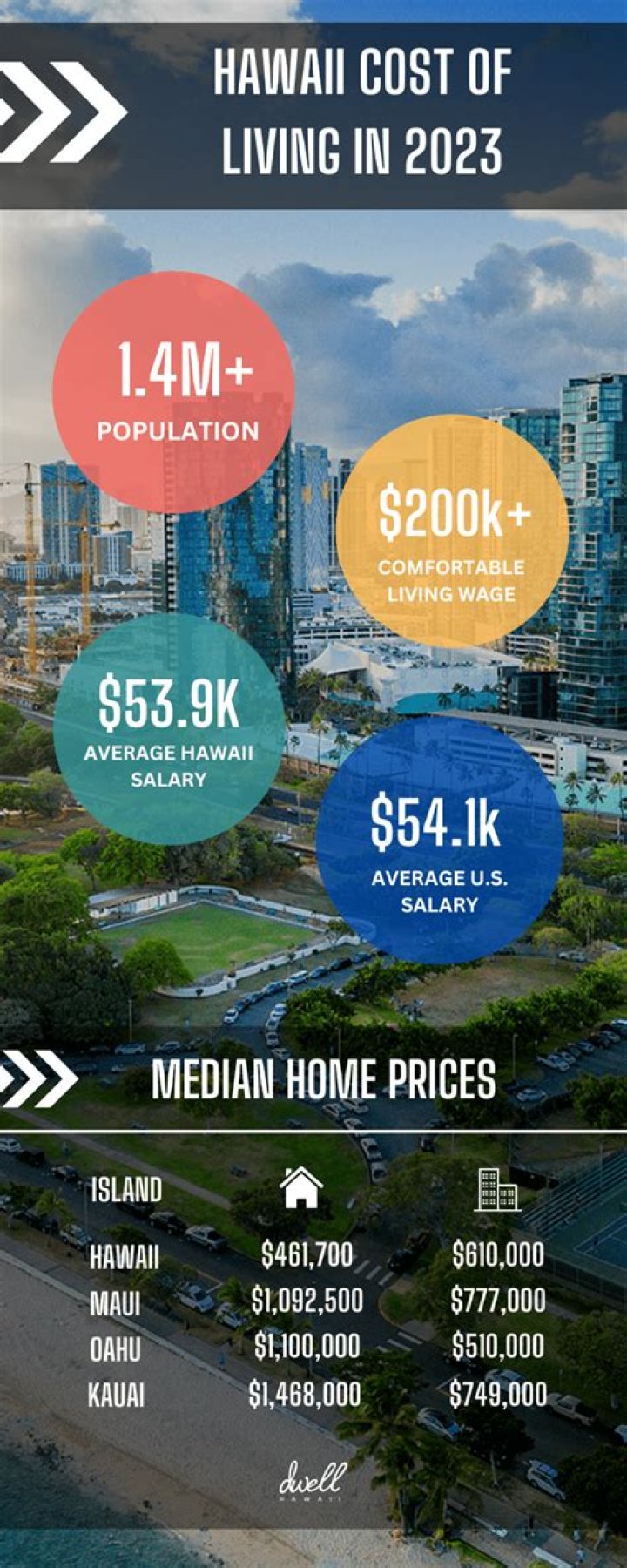
Hawaii, often regarded as a paradise on Earth, has a cost of living that reflects its unique allure and lifestyle. If you're considering a move to Hawaii, it's crucial to understand the financial implications of living in this tropical paradise. This guide will delve into the various factors that contribute to the cost of living in Hawaii, offering valuable insights for anyone planning to relocate.
Hawaii is not just a vacation destination; it's a place where many people choose to build their lives. However, the cost of living here is significantly higher than in many other parts of the United States. Understanding the financial aspects of living in Hawaii is essential for anyone considering making this beautiful state their home.
Throughout this article, we'll explore the intricacies of Hawaii's cost of living, breaking down the expenses associated with housing, groceries, healthcare, transportation, and more. By the end, you'll have a clearer picture of what to expect and how to plan your finances accordingly.
Introduction to Hawaii Cost of Living
Why Hawaii's Cost of Living is Unique
Hawaii's cost of living is influenced by its geographical isolation. Being the most remote island chain in the world, many goods and services need to be imported, driving up prices. Additionally, the high demand for real estate, combined with limited land availability, contributes to the elevated cost of living.
Key Factors Affecting Cost of Living
Several key factors play a role in determining the cost of living in Hawaii. These include housing, groceries, healthcare, transportation, and taxes. Each of these factors will be explored in detail in the following sections, providing a comprehensive overview of what it costs to live in Hawaii.
Housing Costs in Hawaii
Housing is one of the most significant expenses for residents of Hawaii. The state's beautiful landscapes and desirable climate have made it a popular destination for both tourists and permanent residents, driving up property prices.
Real Estate Prices
According to the Hawaii State Department of Business, Economic Development & Tourism, the median home price in Hawaii is significantly higher than the national average. For example, as of 2023, the median home price in Honolulu was over $800,000, compared to approximately $400,000 nationally.
Rental Market
Rental prices in Hawaii are also on the rise. A one-bedroom apartment in a city like Honolulu can cost anywhere from $2,000 to $3,000 per month, depending on location and amenities. Rural areas tend to have lower rental prices, but they often come with longer commutes and fewer conveniences.
Grocery Expenses in Hawaii
Grocery expenses in Hawaii are higher than in most other states due to the need to import many goods. This section will explore the cost of groceries and provide tips for managing food expenses.
Imported Goods
Since Hawaii imports a significant portion of its food, prices for groceries are generally higher. Basic staples like bread, milk, and eggs can cost 30-50% more than in mainland states. Fresh produce, while abundant locally, can still be expensive due to transportation costs.
Local Options
To mitigate high grocery costs, residents often turn to local farmers' markets and co-ops. These options not only support the local economy but can also provide fresher, more affordable produce. Some popular markets include the KCC Farmers' Market in Honolulu and the Maui Farmers' Market.
Healthcare Costs in Hawaii
Healthcare in Hawaii is generally more affordable than in many other states, thanks to the state's prepaid health care system. However, there are still costs to consider.
Prepaid Health Care System
Hawaii's Prepaid Health Care Act mandates that employers with seven or more employees provide health insurance coverage. This has resulted in lower healthcare costs for residents compared to other states. However, premiums and out-of-pocket expenses can still be significant.
Medicare and Medicaid
For seniors and low-income residents, Medicare and Medicaid provide additional support. The state has various programs to assist those in need, ensuring that healthcare remains accessible to all.
Transportation Expenses in Hawaii
Transportation costs in Hawaii vary depending on the island and the mode of travel. This section will cover the costs associated with driving, public transportation, and inter-island travel.
Driving Costs
Gas prices in Hawaii are among the highest in the nation due to importation costs. The average price of gasoline is often $5 per gallon or more. Additionally, car insurance premiums can be higher than in other states, though rates vary by location and driver history.
Public Transportation
Public transportation is available on most islands, with buses being the primary mode of travel. The Honolulu Authority for Rapid Transportation (HART) is currently developing a rail system to improve connectivity across the island. Monthly bus passes typically cost around $50-$70.
Education Costs in Hawaii
Education in Hawaii is a mix of public and private options. This section will explore the costs associated with both systems and provide insights into the quality of education available.
Public Schools
Hawaii's public school system is funded by the state and offers free education to residents. While the quality of education can vary, many schools provide a solid foundation for students. Additional expenses may include school supplies, uniforms, and extracurricular activities.
Private Schools
Private schools in Hawaii offer alternative educational options, but they come at a cost. Tuition fees can range from $8,000 to $20,000 per year, depending on the institution. Scholarships and financial aid are often available to help offset these costs.
Taxes in Hawaii
Taxes in Hawaii are structured differently than in many other states. Understanding the tax system is essential for managing your finances effectively.
General Excise Tax
Hawaii does not have a traditional sales tax but instead imposes a General Excise Tax (GET) on businesses. This tax is passed on to consumers, effectively acting as a sales tax. The GET rate is 4.712% on most goods and services, with a lower rate of 0.5% for residential rental property.
Income Tax
Hawaii's income tax rates are progressive, with rates ranging from 1.4% to 11%. The state also offers various tax credits and deductions to help residents manage their tax burden.
Entertainment and Leisure Costs
Hawaii offers a wide range of entertainment and leisure activities, many of which are affordable or even free. This section will explore the costs associated with enjoying Hawaii's cultural and natural attractions.
Cultural Activities
Hawaii is rich in cultural heritage, with numerous museums, festivals, and performances to enjoy. Many cultural events are free or low-cost, making them accessible to residents of all income levels. For example, the Bishop Museum in Honolulu offers discounted admission on certain days.
Outdoor Adventures
Hawaii's natural beauty provides endless opportunities for outdoor activities. Hiking, snorkeling, and surfing are popular pastimes, and many parks and beaches are free to access. Equipment rental costs vary, but they are generally reasonable compared to other activities.
Income and Employment Opportunities
Understanding the employment landscape in Hawaii is crucial for managing the cost of living. This section will explore the job market and average incomes in the state.
Job Market
Hawaii's economy is heavily reliant on tourism, with many jobs available in the hospitality and service industries. Other significant sectors include healthcare, education, and government. The unemployment rate in Hawaii is typically lower than the national average, but wages can be lower due to the high cost of living.
Average Incomes
The median household income in Hawaii is around $80,000, which is higher than the national average. However, this income level is often necessary to cover the state's high living costs. Certain professions, such as healthcare and technology, offer higher salaries, but competition can be fierce.
Tips for Managing Hawaii Cost of Living
Living in Hawaii can be expensive, but there are strategies to help manage costs and make the most of your finances. This section will provide practical tips for reducing expenses and maximizing your budget.
- Take advantage of local farmers' markets for fresh, affordable produce.
- Utilize public transportation to save on gas and car maintenance costs.
- Explore free or low-cost cultural and recreational activities.
- Consider living in rural areas to reduce housing expenses.
- Utilize state and federal programs to assist with healthcare and education costs.
Conclusion
Hawaii's cost of living is undoubtedly higher than in many other parts of the United States, but it offers a unique and beautiful lifestyle that many find worth the expense. By understanding the various factors that contribute to the cost of living, you can better plan your finances and make informed decisions about relocating to Hawaii.
We encourage you to share your thoughts and experiences in the comments below. Have you lived in Hawaii? What tips do you have for managing the cost of living? And don't forget to explore our other articles for more insights into life in Hawaii and beyond!