Housing in Urban Development: The Key to Sustainable and Inclusive Cities
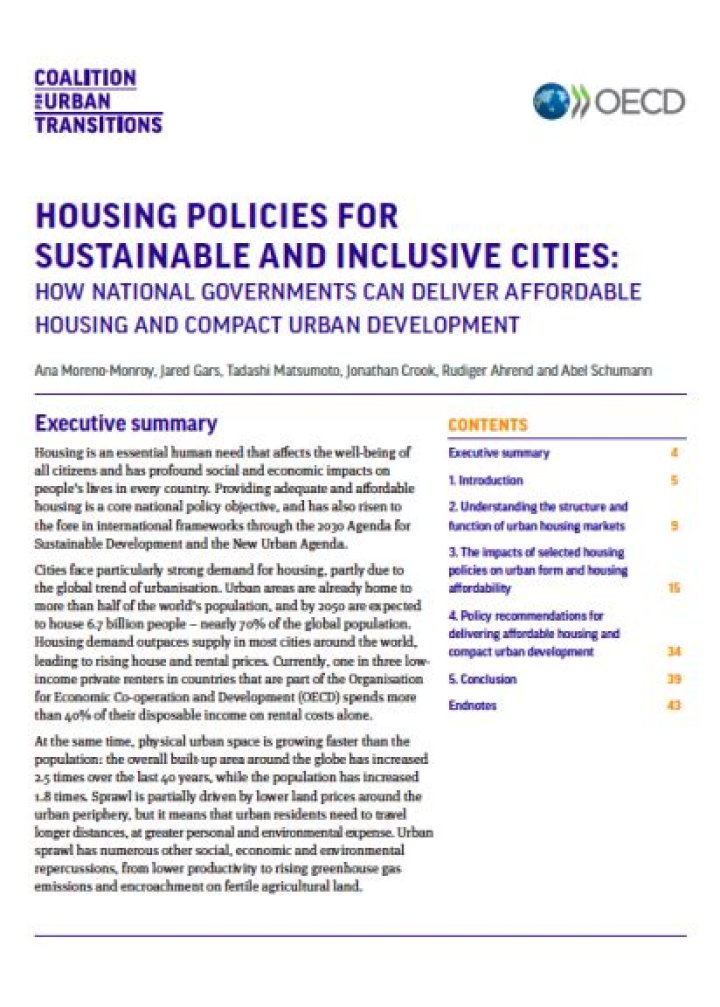
Housing in urban development plays a crucial role in shaping the future of our cities. As urban populations continue to grow, providing adequate and affordable housing has become a pressing challenge for governments and city planners worldwide. This issue is not just about constructing buildings but ensuring that housing meets the needs of all citizens while promoting sustainable growth.
Urbanization has been one of the most significant global trends over the past century. By 2050, it is estimated that 68% of the world's population will live in urban areas. This rapid urban growth puts immense pressure on housing systems, leading to challenges such as overcrowding, rising property prices, and inadequate infrastructure. Addressing these issues requires innovative solutions that prioritize both economic development and social equity.
Moreover, housing is not just a physical necessity; it is a fundamental component of quality of life. Access to safe, affordable, and sustainable housing can significantly improve living standards, reduce poverty, and foster community development. In this article, we will explore various aspects of housing in urban development, including its challenges, opportunities, and potential solutions.
Introduction to Housing in Urban Development
Housing in urban development is an essential aspect of creating livable and sustainable cities. Urban planners and policymakers face the daunting task of ensuring that housing meets the needs of a growing population while maintaining environmental balance and social equity. This section will delve into the foundational principles of urban housing development and its significance in modern urban planning.
The concept of housing in urban development extends beyond mere construction. It involves creating spaces that cater to diverse socio-economic groups, ensuring accessibility, and fostering community interaction. Furthermore, urban housing must align with broader goals of sustainability, resilience, and inclusivity. By understanding the complexities of urban housing, we can develop strategies that address both current and future challenges.
Urbanization Trends and Their Impact on Housing
Population Growth and Urban Expansion
Urbanization trends have significantly influenced housing demands over the past few decades. According to the United Nations, the global urban population is expected to increase by 2.5 billion people by 2050. This rapid growth has led to the expansion of urban areas, often at the expense of natural habitats and agricultural land.
Key factors driving urbanization include economic opportunities, improved infrastructure, and better access to services such as healthcare and education. However, this growth also poses challenges, including the need for adequate housing, transportation, and public amenities. Addressing these challenges requires a comprehensive approach that considers both the quantity and quality of urban housing.
Key Challenges in Urban Housing Development
Affordability and Accessibility
One of the most pressing challenges in urban housing development is affordability. Rising property prices in many cities have made it increasingly difficult for low- and middle-income families to access decent housing. This issue is exacerbated by limited availability of affordable housing options and insufficient government support.
Additionally, accessibility remains a concern, particularly for marginalized communities. Ensuring that housing is accessible to people with disabilities, the elderly, and other vulnerable groups is essential for promoting inclusivity. Urban planners must prioritize accessibility in their designs to create housing that meets the needs of all citizens.
The Importance of Affordable Housing
Affordable housing is a critical component of urban development, as it ensures that all residents have access to safe and decent living conditions. Without affordable housing, many families are forced to live in overcrowded or substandard conditions, which can negatively impact their health and well-being.
Governments and private developers must work together to increase the supply of affordable housing through initiatives such as subsidies, tax incentives, and public-private partnerships. Additionally, innovative financing models, such as community land trusts and shared equity programs, can help make housing more affordable for low-income families.
Sustainable Housing Solutions
Green Building Practices
Sustainability is a key consideration in modern urban housing development. As cities strive to reduce their carbon footprint and promote environmental stewardship, green building practices have become increasingly important. These practices include the use of energy-efficient materials, renewable energy sources, and water conservation technologies.
Moreover, sustainable housing solutions must consider the entire lifecycle of a building, from design and construction to operation and maintenance. By adopting sustainable practices, urban developers can create housing that is not only environmentally friendly but also cost-effective and resilient to climate change.
Policy Frameworks for Urban Housing
Effective policy frameworks are essential for addressing the challenges of urban housing development. Governments must establish clear guidelines and regulations that promote sustainable and inclusive housing practices. This includes setting standards for building codes, land use, and zoning regulations.
In addition to regulatory frameworks, governments should provide incentives for developers to adopt sustainable and affordable housing practices. This can include tax breaks, grants, and other financial incentives that encourage the development of high-quality housing that meets the needs of all citizens.
The Role of Technology in Urban Housing
Smart Housing Solutions
Technology plays a vital role in advancing urban housing development. Smart housing solutions, such as smart meters, energy management systems, and home automation technologies, can improve the efficiency and comfort of urban living spaces. These technologies enable residents to monitor and control their energy usage, reducing costs and environmental impact.
Furthermore, advancements in construction technology, such as 3D printing and modular building techniques, offer new possibilities for creating affordable and sustainable housing. By leveraging these technologies, developers can reduce construction time and costs while maintaining high-quality standards.
Community Engagement in Urban Housing Projects
Community engagement is an essential component of successful urban housing projects. Involving residents in the planning and development process ensures that housing meets the needs and preferences of the local population. This can lead to greater satisfaction and a stronger sense of community among residents.
Effective community engagement strategies include public consultations, workshops, and participatory design processes. By fostering open communication and collaboration, urban planners can create housing solutions that are both functional and desirable for the community.
Case Studies: Successful Urban Housing Initiatives
Vienna's Social Housing Program
Vienna, Austria, is widely regarded as a model for successful urban housing development. The city's social housing program provides affordable housing to over 60% of its population through a combination of public funding, land ownership, and strict regulations on rent control. This initiative has helped ensure that housing remains accessible to all residents, regardless of income level.
Medellín's Transformation
Medellín, Colombia, has undergone a remarkable transformation in recent years, thanks in part to innovative urban housing projects. The city has invested heavily in infrastructure, including cable cars and escalators, to connect low-income neighborhoods to the city center. These initiatives have improved accessibility and quality of life for residents while promoting social cohesion.
Future Outlook and Opportunities
The future of housing in urban development holds both challenges and opportunities. As cities continue to grow, there will be increasing pressure to provide adequate and sustainable housing solutions. However, advancements in technology, policy innovation, and community engagement offer promising avenues for addressing these challenges.
By embracing innovative approaches and fostering collaboration between governments, developers, and communities, we can create urban housing systems that are equitable, sustainable, and resilient. This will require a commitment to ongoing research, experimentation, and adaptation to meet the evolving needs of urban populations.
Conclusion and Call to Action
Housing in urban development is a critical issue that requires the attention of policymakers, developers, and communities worldwide. By addressing the challenges of affordability, sustainability, and inclusivity, we can create urban housing systems that meet the needs of all citizens while promoting economic growth and environmental stewardship.
We invite you to join the conversation by sharing your thoughts and experiences in the comments section below. Additionally, we encourage you to explore other articles on our site for more insights into urban development and related topics. Together, we can work towards a future where housing in urban development is a cornerstone of thriving, sustainable cities.