How Are Aquatic Biomes Different From Terrestrial Biomes?
Understanding the differences between aquatic and terrestrial biomes is essential for comprehending the Earth's ecosystems and biodiversity. These two types of biomes are distinct in their characteristics, environmental factors, and the life forms they support. In this article, we will explore the unique features of both aquatic and terrestrial biomes, shedding light on why they are so crucial to the planet's ecological balance.
From the vast oceans to lush rainforests, biomes shape the natural world. Each biome plays a specific role in maintaining global ecosystems. Whether it's the nutrient-rich waters of aquatic biomes or the diverse plant life in terrestrial biomes, these environments provide habitats for millions of species.
This article delves into how aquatic biomes differ from terrestrial biomes, focusing on their structure, climate, biodiversity, and ecological significance. By the end of this piece, you'll have a comprehensive understanding of the distinctions that make each biome unique and vital for life on Earth.
Overview of Aquatic and Terrestrial Biomes
Biomes are large ecological areas on the Earth's surface, characterized by their vegetation, climate, and animal life. Aquatic biomes, such as oceans, lakes, and rivers, are defined by water as their dominant feature. Terrestrial biomes, on the other hand, are land-based and include forests, deserts, and grasslands. Both types of biomes are essential for sustaining life on the planet.
Types of Aquatic Biomes
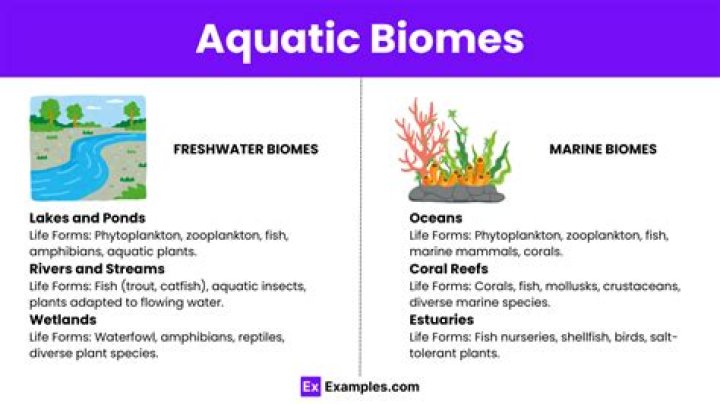
Aquatic biomes are divided into two main categories: freshwater and marine biomes. Freshwater biomes include ponds, lakes, streams, and wetlands, while marine biomes encompass oceans, coral reefs, and estuaries. Each type of aquatic biome supports unique ecosystems and species adapted to their specific water conditions.
Types of Terrestrial Biomes
Terrestrial biomes are classified based on climate and vegetation. Examples include tropical rainforests, temperate forests, tundra, and deserts. These biomes vary significantly in temperature, rainfall, and soil composition, influencing the types of plants and animals that inhabit them.
Physical Structure and Characteristics
The physical structure of aquatic and terrestrial biomes is a key factor in determining their ecological functions. Aquatic biomes are dominated by water, which influences light penetration, temperature regulation, and nutrient distribution. Terrestrial biomes, meanwhile, rely on soil and atmospheric conditions to sustain life.
Water as a Dominant Feature
In aquatic biomes, water is the primary medium for life. It affects the availability of oxygen, salinity levels, and the movement of organisms. The depth and flow of water also play a role in shaping the ecosystem. For example, deep ocean zones have different species compared to shallow coastal areas.
Soil and Terrain in Terrestrial Biomes
Terrestrial biomes are characterized by their soil types and terrain. Soil fertility, pH levels, and drainage influence plant growth, which in turn affects the entire food web. Mountainous regions, for instance, have different vegetation compared to flat plains due to variations in altitude and climate.
Climate Differences
Climate is a critical factor that distinguishes aquatic biomes from terrestrial biomes. Aquatic environments tend to have more stable temperatures due to water's high heat capacity, while terrestrial climates can vary dramatically depending on location and season.
Aquatic biomes experience less temperature fluctuation, which allows for consistent conditions for aquatic life. Terrestrial biomes, however, are subject to seasonal changes, with some areas experiencing extreme heat or cold. This variability affects the types of organisms that can survive in these environments.
Biodiversity and Species Adaptation
Biodiversity is higher in aquatic biomes compared to terrestrial biomes, particularly in marine environments. The vastness of the ocean and the variety of habitats it provides support an incredible array of species. However, terrestrial biomes also host unique ecosystems, such as the Amazon rainforest, which is home to millions of plant and animal species.
Adaptations in Aquatic Life
- Gills for oxygen extraction in water
- Streamlined bodies for efficient movement
- Bioluminescence for communication and camouflage
Adaptations in Terrestrial Life - Lungs for breathing air
- Feet or legs for movement on land
- Thick fur or skin for insulation
Nutrient Cycle and Energy Flow
The nutrient cycle and energy flow differ significantly between aquatic and terrestrial biomes. In aquatic environments, nutrients are often suspended in water, making them readily available to organisms. In terrestrial biomes, nutrients are primarily stored in the soil and must be absorbed by plants through their roots.
Energy Flow in Aquatic Biomes
Energy in aquatic biomes begins with primary producers like phytoplankton, which convert sunlight into energy through photosynthesis. This energy is then passed through the food web to consumers such as fish and marine mammals.
Energy Flow in Terrestrial Biomes
In terrestrial biomes, plants are the primary producers, capturing sunlight and converting it into energy. Herbivores consume plants, and carnivores feed on herbivores, creating a complex food web. Decomposers play a crucial role in recycling nutrients back into the soil.
Ecosystem Services
Both aquatic and terrestrial biomes provide essential ecosystem services that benefit humanity. These services include climate regulation, water purification, and food production. Understanding these services highlights the importance of preserving natural habitats.
Water Purification in Aquatic Biomes
Aquatic biomes act as natural water filters, removing pollutants and maintaining water quality. Wetlands, for example, trap sediments and absorb excess nutrients, preventing harmful algal blooms.
Climate Regulation in Terrestrial Biomes
Terrestrial biomes, particularly forests, play a significant role in regulating the Earth's climate. Trees absorb carbon dioxide, a greenhouse gas, and release oxygen through photosynthesis. This process helps mitigate the effects of climate change.
Human Impact and Conservation
Human activities have a profound impact on both aquatic and terrestrial biomes. Pollution, overfishing, deforestation, and climate change threaten the health and sustainability of these ecosystems. Conservation efforts are essential to protect biodiversity and maintain ecological balance.
Conservation Strategies
- Establishing marine protected areas to preserve aquatic life
- Implementing sustainable fishing practices
- Reforestation and afforestation to restore terrestrial habitats
Case Studies of Specific Biomes
Examining specific biomes provides insight into the challenges and opportunities for conservation. For example, the Great Barrier Reef in Australia is a marine biome under threat from climate change and pollution. Similarly, the Amazon rainforest faces deforestation and habitat loss.
The Great Barrier Reef
The Great Barrier Reef is the world's largest coral reef system, supporting thousands of species. However, rising sea temperatures and ocean acidification threaten its existence. Conservation efforts focus on reducing pollution and protecting marine life.
The Amazon Rainforest
The Amazon rainforest is a terrestrial biome that plays a vital role in global climate regulation. Deforestation for agriculture and logging has led to habitat destruction and loss of biodiversity. Initiatives to combat deforestation aim to preserve this critical ecosystem.
Comparison of Key Features
A comparative analysis of aquatic and terrestrial biomes reveals their unique characteristics and interdependencies. Both types of biomes contribute to the Earth's ecological balance, and their health is interconnected.
Key Differences
- Aquatic biomes are water-based, while terrestrial biomes are land-based
- Aquatic biomes have more stable temperatures, whereas terrestrial biomes experience seasonal variations
- Biodiversity is generally higher in aquatic biomes, but terrestrial biomes host unique ecosystems
Conclusion and Call to Action
In conclusion, understanding how aquatic biomes differ from terrestrial biomes is crucial for appreciating the complexity and interconnectedness of Earth's ecosystems. Both types of biomes provide essential services and support diverse life forms. Protecting these environments is vital for maintaining ecological balance and ensuring a sustainable future.
We encourage readers to take action by supporting conservation efforts, reducing their environmental footprint, and learning more about the importance of biomes. Share this article with others to spread awareness and inspire change. Together, we can make a difference in preserving the planet's natural habitats.