How Are Turkey's Leaders Chosen: A Comprehensive Guide
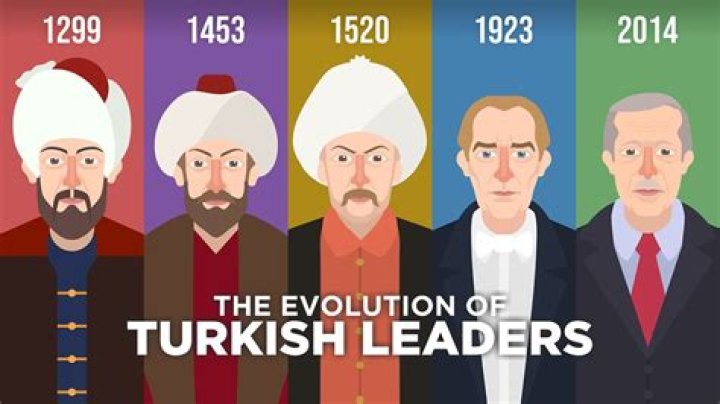
Turkey's political system and the process of choosing leaders have always been a topic of interest for scholars, analysts, and global citizens alike. Understanding how Turkey's leaders are chosen is essential to grasp the country's political dynamics and governance structure. This article delves into the intricate mechanisms that shape Turkey's leadership selection, offering insights into its historical evolution and current practices.
The Turkish political landscape has undergone significant transformations over the years, particularly since the establishment of the Republic of Turkey in 1923. These changes have influenced how leaders are chosen, reflecting the country's commitment to democratic principles while maintaining its unique cultural and historical identity.
In this article, we will explore the various processes involved in selecting Turkey's leaders, including the roles of elections, political parties, and constitutional frameworks. By the end of this guide, you will have a clear understanding of how Turkey's leadership selection aligns with global democratic standards while preserving its distinct national character.
The Historical Context of Turkey's Leadership Selection
Understanding how Turkey's leaders are chosen requires a deep dive into the country's historical evolution. Since the founding of the Republic of Turkey in 1923, the nation has undergone several changes in its political structure. Initially, Turkey adopted a parliamentary system, where the Prime Minister held significant executive power. However, the 2017 constitutional referendum shifted the country towards a presidential system, concentrating more power in the hands of the President.
This shift reflects Turkey's ongoing efforts to balance tradition with modern governance. The historical context of Turkey's leadership selection process is shaped by its transition from a multi-party system to a more centralized form of governance. This evolution has had a profound impact on how leaders are chosen today.
Key Historical Events Influencing Leadership Selection
- The establishment of the Republic of Turkey in 1923.
- The adoption of a multi-party system in 1946.
- The 1982 Constitution, which redefined the role of the military in politics.
- The 2017 constitutional referendum, transitioning to a presidential system.
The Role of the Constitution in Choosing Leaders
The Turkish Constitution plays a pivotal role in defining the mechanisms for choosing leaders. The 1982 Constitution, amended multiple times, outlines the powers and responsibilities of various branches of government, including the executive, legislative, and judicial branches. Understanding the constitutional framework is crucial to comprehend how Turkey's leaders are chosen.
The Constitution specifies the qualifications, election processes, and terms of office for key leadership positions, such as the President and members of Parliament. These provisions ensure that the selection process adheres to democratic principles while maintaining stability and accountability.
Key Provisions in the Constitution
- Eligibility criteria for presidential candidates.
- Procedures for parliamentary elections.
- Term limits and conditions for re-election.
Elections: The Backbone of Leadership Selection
Elections are the primary method through which Turkey's leaders are chosen. Both national and local elections play a vital role in shaping the country's political landscape. The electoral process is designed to ensure transparency, fairness, and participation, reflecting Turkey's commitment to democratic values.
Turkey employs a proportional representation system for parliamentary elections, which allows for a diverse representation of political parties. This system ensures that the voice of the electorate is accurately reflected in the composition of Parliament.
Types of Elections in Turkey
- Presidential elections.
- Parliamentary elections.
- Local government elections.
How the President of Turkey is Chosen
The President of Turkey is chosen through a direct election process, where eligible voters cast their ballots for their preferred candidate. Since the 2017 constitutional referendum, the President holds significant executive powers, including the authority to appoint ministers and issue decrees. This shift has centralized power in the presidency, making the election process crucial for determining the country's leadership.
Candidates for the presidency must meet specific eligibility criteria, including being at least 40 years old and possessing Turkish citizenship. The election process involves multiple stages, including campaigning, voting, and vote counting, ensuring a transparent and democratic selection.
Key Steps in the Presidential Election Process
- Candidate nomination and eligibility verification.
- Campaigning and voter engagement.
- Voting and vote counting.
- Declaration of results and inauguration.
The Role of the Prime Minister in Turkey's Political System
Following the 2017 constitutional changes, the role of the Prime Minister in Turkey's political system has diminished significantly. Previously, the Prime Minister held substantial executive power, overseeing the day-to-day operations of the government. However, with the transition to a presidential system, the President now assumes these responsibilities.
Despite this change, the Prime Minister still plays a symbolic role in certain ceremonial functions, although the position is largely ceremonial in nature. This transformation reflects Turkey's evolving political landscape and its focus on strengthening the presidency.
Historical Evolution of the Prime Minister's Role
- Prime Minister as head of government under the parliamentary system.
- Diminished role following the 2017 constitutional referendum.
- Ceremonial functions in the current political structure.
The Role of Parliament in Leadership Selection
Parliament plays a crucial role in Turkey's leadership selection process, particularly in the context of legislative elections. Members of Parliament are elected through a proportional representation system, ensuring diverse representation of political parties. Parliamentarians are responsible for enacting laws, overseeing the executive branch, and holding the government accountable.
The composition of Parliament influences the selection of key leadership positions, such as the President and cabinet members. Political parties represented in Parliament play a significant role in shaping the country's leadership through coalition-building and policy-making.
Functions of Parliament in Leadership Selection
- Enacting legislation and approving budgets.
- Overseeing the executive branch and holding it accountable.
- Participating in the selection of key leadership positions.
The Influence of Political Parties on Leadership Selection
Political parties are instrumental in shaping Turkey's leadership selection process. They nominate candidates for various leadership positions, including the presidency and parliamentary seats. The diversity of political parties in Turkey ensures a robust democratic process, where different ideologies and perspectives are represented.
Major political parties, such as the Justice and Development Party (AKP), Republican People's Party (CHP), and Good Party (IYI Parti), play a significant role in determining the country's leadership through their electoral performance and coalition-building efforts.
Major Political Parties in Turkey
- Justice and Development Party (AKP).
- Republican People's Party (CHP).
- Good Party (IYI Parti).
Challenges in Turkey's Leadership Selection Process
Despite its democratic foundations, Turkey's leadership selection process faces several challenges. Issues such as electoral integrity, media freedom, and political polarization have raised concerns about the fairness and transparency of the process. Ensuring that elections are free and fair remains a priority for maintaining public confidence in the system.
Efforts to address these challenges include implementing electoral reforms, strengthening independent oversight bodies, and promoting media freedom. These measures aim to enhance the credibility and legitimacy of Turkey's leadership selection process.
Key Challenges and Solutions
- Ensuring electoral integrity and transparency.
- Promoting media freedom and independent journalism.
- Addressing political polarization and fostering dialogue.
Recent Reforms and Their Impact
In recent years, Turkey has implemented several reforms aimed at improving the leadership selection process. These reforms focus on enhancing electoral integrity, promoting transparency, and strengthening democratic institutions. The 2017 constitutional referendum, which transitioned Turkey to a presidential system, represents a significant reform with far-reaching implications for the country's governance structure.
These reforms have had a mixed impact, with some praising their potential to streamline decision-making, while others express concerns about the concentration of power. Continued dialogue and engagement are essential to ensure that these reforms align with democratic principles and serve the best interests of the Turkish people.
Impact of Recent Reforms
- Transition to a presidential system.
- Enhanced executive powers for the President.
- Strengthened oversight mechanisms and electoral integrity.
Conclusion and Future Outlook
Turkey's leadership selection process is a complex and evolving system that reflects the country's unique political and cultural identity. From its historical roots to its current constitutional framework, the process ensures that leaders are chosen through democratic means, with a focus on transparency, accountability, and representation.
As Turkey continues to navigate its political landscape, addressing challenges such as electoral integrity and media freedom will be crucial for maintaining public trust and ensuring the legitimacy of its leadership selection process. We encourage readers to engage in discussions, share this article, and explore related topics to deepen their understanding of Turkey's political system.
For more insights into Turkey's political dynamics, explore our other articles on this subject. Your feedback and participation are vital in fostering a well-informed and engaged community.