How Long Do Hard Boiled Eggs Last in the Fridge?
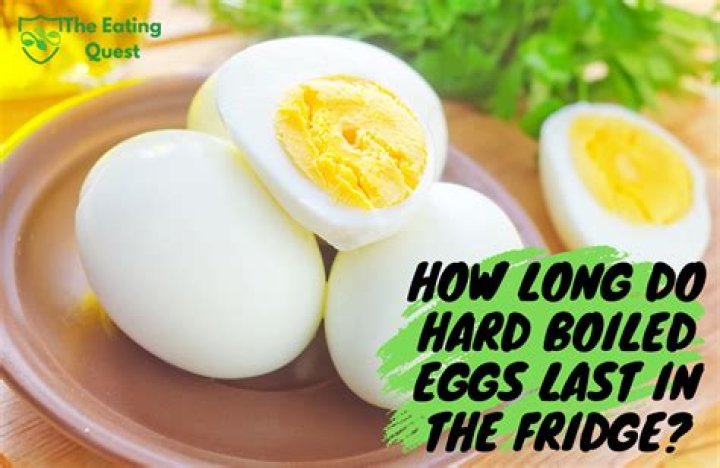
Have you ever wondered how long hard boiled eggs last in the fridge? Whether you're preparing a batch for meal prep or just trying to avoid food waste, understanding their shelf life is crucial. Hard boiled eggs are a versatile and nutritious snack, packed with protein and essential nutrients. However, like any perishable food, they have a limited lifespan, especially when stored improperly. Knowing how long they stay fresh can help you make the most of this kitchen staple.
In this article, we will delve into the science behind the shelf life of hard boiled eggs, exploring factors that affect their freshness and providing practical tips to maximize their longevity. Whether you're a home cook or someone looking to optimize your meal planning, this guide will equip you with the knowledge you need to store hard boiled eggs safely and effectively.
By the end of this article, you'll not only know how long hard boiled eggs last in the fridge but also learn how to identify signs of spoilage, proper storage techniques, and creative ways to use leftover eggs. Let's dive in!
How Long Do Hard Boiled Eggs Last in the Fridge?
When stored properly, hard boiled eggs can last up to one week in the fridge. This timeline ensures they remain safe to eat while retaining their flavor and texture. However, the exact duration depends on several factors, including how they were cooked, the temperature of your refrigerator, and the condition of the eggs before boiling.
According to the U.S. Food and Drug Administration (FDA), hard boiled eggs should be refrigerated within two hours of cooking to prevent bacterial growth. Leaving them at room temperature for extended periods increases the risk of contamination, making proper storage essential.
Factors Affecting Shelf Life
Here are some key factors that influence how long hard boiled eggs last in the fridge:
- Refrigerator Temperature: A consistent temperature of 40°F (4°C) or below is ideal for preserving freshness.
- Shell Condition: Eggs with intact shells generally last longer than peeled ones, as the shell provides an additional protective barrier.
- Cooking Method: Properly cooked eggs with fully set whites and yolks are less prone to spoilage.
Proper Storage Tips for Hard Boiled Eggs
Storing hard boiled eggs correctly is crucial to maintaining their quality and safety. Follow these practical tips to ensure your eggs stay fresh:
1. Keep Them in Their Shells
Leaving hard boiled eggs in their shells helps retain moisture and prevents them from absorbing odors from other foods in the fridge. If you plan to use them within a week, storing them unpeeled is the best option.
2. Use an Airtight Container
Place the eggs in an airtight container to further protect them from exposure to air and odors. This step is especially important if you've already peeled the eggs.
3. Label and Date
Mark the container with the date you boiled the eggs to keep track of their freshness. This simple habit ensures you consume them before they expire.
Signs of Spoilage in Hard Boiled Eggs
Even with proper storage, hard boiled eggs can spoil over time. Knowing how to identify signs of spoilage is vital for your health and safety. Here's what to look for:
- Smell: A sour or sulfuric odor indicates spoilage. Trust your nose—if it smells off, discard the egg.
- Appearance: Look for discoloration, such as green or black spots, which may signal bacterial growth.
- Texture: Soft or mushy yolks can be a sign of spoilage, especially if accompanied by an unusual smell.
Health and Safety Considerations
Hard boiled eggs are a great source of protein, but consuming spoiled eggs can lead to foodborne illnesses such as salmonella. To minimize risks:
- Wash Your Hands: Always wash your hands before and after handling eggs to prevent cross-contamination.
- Cook Thoroughly: Ensure the eggs are fully cooked with firm whites and yolks to kill any harmful bacteria.
- Refrigerate Promptly: Store eggs in the fridge immediately after cooking to maintain their safety.
Comparison with Other Egg Storage Methods
While hard boiled eggs have a relatively short shelf life, other egg storage methods offer longer preservation options. Here's a comparison:
1. Raw Eggs
Raw eggs can last up to three to five weeks in the fridge, depending on their freshness at purchase. They are best stored in their original carton to maintain quality.
2. Frozen Eggs
Freezing eggs extends their shelf life significantly. Beaten raw eggs can last up to one year in the freezer, making this method ideal for long-term storage.
Creative Recipes Using Hard Boiled Eggs
Hard boiled eggs are a versatile ingredient that can be used in a variety of dishes. Here are some creative recipe ideas:
1. Egg Salad Sandwich
Mash hard boiled eggs with mayonnaise, mustard, and chopped herbs for a delicious sandwich filling. Add a touch of salt and pepper for flavor.
2. Deviled Eggs
Halve the eggs and mix the yolks with mayonnaise, Dijon mustard, and paprika for a classic appetizer. Garnish with fresh herbs for extra flair.
3. Cobb Salad
Slice hard boiled eggs and add them to a bed of mixed greens, avocado, bacon, and blue cheese for a protein-packed salad.
Frequently Asked Questions
1. Can You Freeze Hard Boiled Eggs?
It's not recommended to freeze hard boiled eggs, as the freezing process can alter their texture and make them rubbery. However, you can freeze raw eggs by beating them and storing them in an airtight container.
2. How Do You Know If Hard Boiled Eggs Are Still Good?
Perform a float test by placing the egg in a bowl of water. If it sinks and lies flat, it's still fresh. If it floats, it's likely spoiled.
3. Is It Safe to Eat Hard Boiled Eggs Past Their Expiration Date?
While hard boiled eggs may remain safe to eat slightly past their expiration date, it's best to err on the side of caution. Always check for signs of spoilage before consuming.
Expert Advice on Egg Storage
According to experts at the United States Department of Agriculture (USDA), proper egg storage is key to preventing foodborne illnesses. They recommend:
- Storing eggs in the coldest part of the fridge, not the door, where temperature fluctuations are more common.
- Avoiding washing eggs before storage, as this can remove the natural protective coating.
- Discarding any cracked or dirty eggs to prevent contamination.
Long-Term Storage Options
For those looking to preserve hard boiled eggs beyond their typical shelf life, pickling is an excellent option. Pickled eggs can last up to several months in the fridge, depending on the vinegar solution used. This method not only extends their lifespan but also adds a unique tangy flavor.
Conclusion
In conclusion, hard boiled eggs can last up to one week in the fridge when stored properly. By following the tips outlined in this article, you can ensure their freshness and safety while minimizing food waste. Remember to always check for signs of spoilage and practice good hygiene when handling eggs.
We encourage you to share this article with friends and family to help them learn more about proper egg storage. Feel free to leave a comment below with your thoughts or questions. Don't forget to explore our other articles for more kitchen tips and tricks!