How the NAACP Was Formed: A Comprehensive Exploration of Its History and Impact
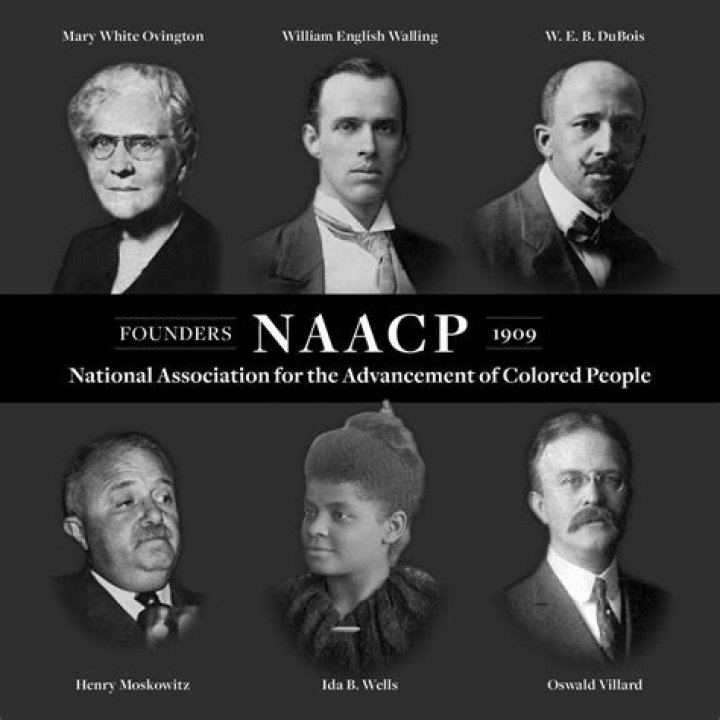
When we delve into the history of civil rights movements in the United States, one organization stands out as a pivotal force for equality and justice—the NAACP. Formed in response to the racial injustices that plagued society, the NAACP has been a beacon of hope for marginalized communities. This article will take you on a journey through its formation, key milestones, and enduring legacy.
The National Association for the Advancement of Colored People (NAACP) is more than just an organization; it is a testament to the resilience and determination of individuals who refused to accept the status quo. Established in 1909, the NAACP emerged as a powerful advocate for civil rights, challenging systemic racism and advocating for equality.
This article will provide an in-depth look at how the NAACP was formed, the challenges it faced, and the significant contributions it has made to society. By exploring its history, we gain a deeper understanding of its role in shaping the civil rights landscape in America.
The Formation of the NAACP
The NAACP was officially formed on February 12, 1909, in New York City. This date was deliberately chosen to coincide with the centennial anniversary of Abraham Lincoln's birth, symbolizing a commitment to equality and justice. The organization was established in response to the widespread racial violence and discrimination that persisted in the United States.
At its inception, the NAACP was a coalition of both Black and White Americans who were united in their goal to eradicate racial injustice. The founders recognized the need for a national organization that could address the systemic issues facing African Americans, including lynching, segregation, and voting rights suppression.
Key Influences in the Formation
- The Springfield Race Riot of 1908, which highlighted the urgent need for action.
- The influence of earlier movements, such as the Niagara Movement, led by W.E.B. Du Bois.
- The desire to create a lasting legacy of equality and justice for future generations.
Key Figures in the NAACP's Formation
Several influential individuals played crucial roles in the formation of the NAACP. Their dedication and vision laid the foundation for the organization's success.
W.E.B. Du Bois
W.E.B. Du Bois, a prominent sociologist and civil rights activist, was one of the founding members of the NAACP. His work in advocating for racial equality and his leadership in the Niagara Movement were instrumental in shaping the organization's early goals.
Mary White Ovington
Mary White Ovington, a White social worker and journalist, was another key figure in the NAACP's formation. Her commitment to social justice and her ability to bridge racial divides helped galvanize support for the organization.
The Early Years of the NAACP
In its early years, the NAACP focused on addressing some of the most pressing issues facing African Americans. These included combating lynching, advocating for voting rights, and challenging segregation laws.
Through grassroots activism, legal challenges, and public awareness campaigns, the NAACP began to make significant strides in its mission to achieve equality.
Early Campaigns and Initiatives
- Anti-lynching campaigns that sought to end the brutal practice of racial violence.
- Efforts to increase African American voter registration and participation.
- Legal challenges to segregation laws, laying the groundwork for future successes.
Major Milestones Achieved by the NAACP
Throughout its history, the NAACP has achieved numerous milestones that have significantly impacted civil rights in America. Some of the most notable achievements include:
Brown v. Board of Education
In 1954, the NAACP's Legal Defense Fund successfully argued the landmark case Brown v. Board of Education, which declared racial segregation in public schools unconstitutional. This victory was a major step toward desegregation and equal educational opportunities.
Voting Rights Act of 1965
The NAACP played a crucial role in advocating for and supporting the passage of the Voting Rights Act of 1965, which aimed to eliminate barriers to voting for African Americans and other minority groups.
Challenges Faced by the NAACP
Despite its successes, the NAACP has faced numerous challenges throughout its history. These challenges have included financial difficulties, opposition from segregationist groups, and internal disagreements over strategy and direction.
However, the organization has consistently demonstrated resilience and adaptability, finding ways to overcome these obstacles and continue its mission.
Strategies for Overcoming Challenges
- Building strong coalitions with other civil rights organizations.
- Engaging in strategic litigation to achieve legal victories.
- Utilizing media and public awareness campaigns to garner support.
The Impact of the NAACP on Society
The NAACP's impact on American society cannot be overstated. Through its tireless advocacy and groundbreaking legal victories, the organization has helped dismantle systemic racism and promote equality for all.
Today, the NAACP continues to be a powerful force for change, addressing contemporary issues such as police brutality, voting rights suppression, and economic inequality.
Modern-Day Initiatives
- Criminal justice reform efforts aimed at reducing racial disparities in the justice system.
- Advocacy for fair housing and equal economic opportunities.
- Education initiatives to promote diversity and inclusion in schools.
Legal Battles and Courtroom Successes
The NAACP's Legal Defense and Educational Fund has been at the forefront of many landmark legal battles that have shaped civil rights law in America. These courtroom successes have had a lasting impact on society, paving the way for greater equality and justice.
Some of the most notable legal victories include cases challenging segregation, voting rights discrimination, and employment discrimination.
The Modern Role of the NAACP
In today's society, the NAACP continues to play a vital role in advocating for civil rights and social justice. The organization has adapted to the changing landscape of civil rights issues, addressing new challenges such as digital discrimination and environmental racism.
Through its various programs and initiatives, the NAACP remains committed to its mission of promoting equality and justice for all.
Future Directions for the NAACP
Looking ahead, the NAACP is focused on expanding its reach and impact. The organization plans to continue its advocacy work while also investing in new technologies and strategies to engage younger generations.
By staying true to its core values and adapting to the evolving needs of society, the NAACP will continue to be a driving force for change in the years to come.
Conclusion
The formation of the NAACP marked a pivotal moment in the history of civil rights in America. Through its unwavering commitment to equality and justice, the organization has achieved numerous milestones and made a lasting impact on society.
As we reflect on the NAACP's history and achievements, we are reminded of the importance of continuing the fight for civil rights and social justice. We invite you to join the conversation, share this article, and explore more content on our website to deepen your understanding of these critical issues.
References:
- NAACP Official Website
- Encyclopedia Britannica
- History.com