Hudson River Crash: A Remarkable Story of Survival and Heroism
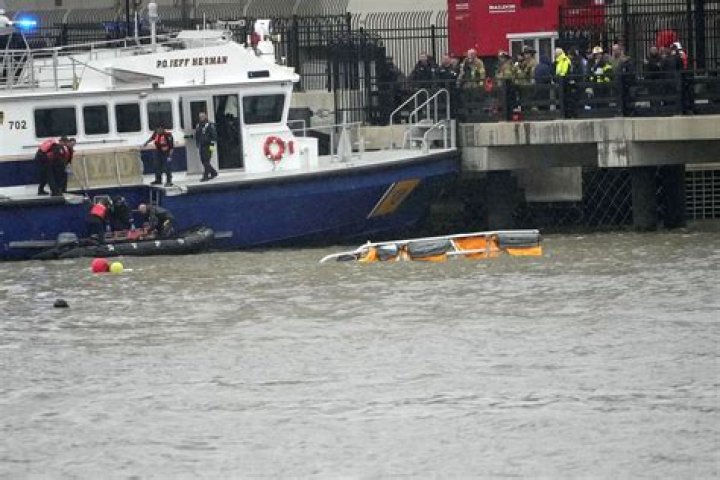
The Hudson River crash remains one of the most remarkable aviation incidents in modern history. On January 15, 2009, US Airways Flight 1549 made an emergency landing on the Hudson River after both engines failed due to a bird strike. This event became a symbol of human resilience and exceptional piloting skills.
This incident captured global attention not only because of its dramatic nature but also due to the successful outcome, where all 155 passengers and crew survived. The event highlighted the importance of training, quick thinking, and teamwork in crisis situations.
The story of the Hudson River crash has been immortalized in documentaries, books, and even a Hollywood film. It serves as a testament to human ingenuity and the ability to overcome adversity under extreme circumstances.
Introduction to the Hudson River Crash
The Hudson River crash is often referred to as the "Miracle on the Hudson." This incident began when US Airways Flight 1549 departed from LaGuardia Airport in New York City bound for Charlotte, North Carolina. Within minutes of takeoff, the aircraft encountered a flock of Canada geese, causing both engines to fail.
Why Was This Incident Unique?
What made the Hudson River crash unique was the combination of circumstances that led to its successful resolution. The quick thinking of the flight crew, the calmness of the passengers, and the immediate response of emergency services all played crucial roles in ensuring everyone's safety.
This section explores the broader context of the incident, including its significance in aviation history and the media attention it received.
Timeline of Events
The sequence of events during the Hudson River crash unfolded rapidly. Below is a detailed timeline:
- 15:25 PM: Flight 1549 departs from LaGuardia Airport.
- 15:27 PM: The plane strikes a flock of geese shortly after takeoff.
- 15:30 PM: Captain Sullenberger declares an emergency and begins searching for a safe landing spot.
- 15:31 PM: The aircraft lands safely on the Hudson River.
- 15:40 PM: All passengers and crew are evacuated and rescued by nearby ferries.
Each moment in this timeline highlights the precision and coordination required to handle such a crisis.
Causes of the Incident
The primary cause of the Hudson River crash was a bird strike. Canada geese were ingested into both engines, causing them to fail almost immediately. This section delves into the specifics of how bird strikes occur and their impact on aviation safety.
Preventing Bird Strikes
While bird strikes are relatively common in aviation, incidents like the Hudson River crash underscore the need for better preventive measures. Strategies such as improved airport wildlife management and advanced detection systems are being implemented globally.
According to the Federal Aviation Administration (FAA), bird strikes have increased significantly over the past few decades, emphasizing the importance of ongoing research and development in this area.
The Hero Pilot: Captain Chesley Sullenberger
Captain Chesley "Sully" Sullenberger became an international hero following the Hudson River crash. His calm demeanor and extensive experience were instrumental in saving the lives of everyone on board.
Biography of Captain Sullenberger
| Full Name | Chesley B. Sullenberger III |
|---|---|
| Date of Birth | January 23, 1951 |
| Profession | Pilot and Safety Advocate |
| Notable Achievements | Successfully landed Flight 1549 on the Hudson River |
Captain Sullenberger's background in aviation and his commitment to safety have made him a respected figure in the industry.
Factors Contributing to Survival
Several factors contributed to the survival of all passengers and crew during the Hudson River crash. These include:
- Experienced and skilled flight crew
- Effective communication between the pilot and air traffic control
- Proximity to emergency services
- Quick response from nearby ferry boats
This section examines each of these factors in detail, highlighting the importance of preparedness and teamwork in crisis situations.
Emergency Response and Rescue Operations
The emergency response to the Hudson River crash was swift and efficient. Ferry boats operating on the river immediately rushed to the scene, rescuing all passengers and crew within minutes.
Key Players in the Rescue
Local authorities, including the New York City Fire Department and the Coast Guard, played critical roles in coordinating the rescue efforts. The cooperation between these agencies ensured that everyone was safely evacuated from the aircraft.
According to a report by the National Transportation Safety Board (NTSB), the successful outcome of the incident was largely due to the coordinated efforts of emergency responders.
Aftermath and Investigation
In the aftermath of the Hudson River crash, a thorough investigation was conducted by the NTSB to determine the cause of the incident and identify areas for improvement. The investigation revealed valuable insights into aviation safety.
Key Findings
- Bird strikes are a significant threat to aviation safety.
- Engine design and bird ingestion standards need improvement.
- Flight crew training and emergency protocols proved effective.
The findings of the investigation led to several recommendations aimed at enhancing aviation safety worldwide.
Lessons Learned from the Hudson River Crash
The Hudson River crash provided valuable lessons for the aviation industry. These lessons include the importance of:
- Enhanced pilot training in emergency situations
- Improved aircraft design to withstand bird strikes
- Strengthened emergency response protocols
This section explores how these lessons have been applied in practice and the ongoing efforts to improve aviation safety.
Media Coverage and Cultural Impact
The Hudson River crash received extensive media coverage, capturing the attention of millions around the world. The story was portrayed in various forms, including documentaries, books, and the movie "Sully," starring Tom Hanks.
Cultural Significance
Beyond its impact on aviation safety, the Hudson River crash has become a cultural symbol of resilience and heroism. It serves as a reminder of the human capacity to overcome adversity and inspire others.
According to a study published in the Journal of Aviation, the incident had a profound effect on public perception of aviation safety and trust in pilots.
Future Implications for Aviation Safety
The Hudson River crash has had lasting implications for aviation safety. It has prompted the development of new technologies and procedures aimed at reducing the risk of similar incidents in the future.
Innovations in Aviation Safety
Technological advancements, such as enhanced bird detection systems and improved engine design, are being implemented to mitigate the risks associated with bird strikes. Additionally, ongoing research into wildlife management around airports continues to play a crucial role in preventing future incidents.
The aviation industry remains committed to ensuring the highest levels of safety for passengers and crew.
Conclusion
The Hudson River crash stands as a testament to human resilience and exceptional piloting skills. Through the quick thinking and coordination of the flight crew, emergency responders, and passengers, all 155 individuals on board survived what could have been a catastrophic event.
We invite you to share your thoughts and reflections on this remarkable story in the comments section below. Additionally, feel free to explore other articles on our website for more insights into aviation safety and related topics.