Hudson River Plane Accident: A Detailed Analysis of the Miraculous Event
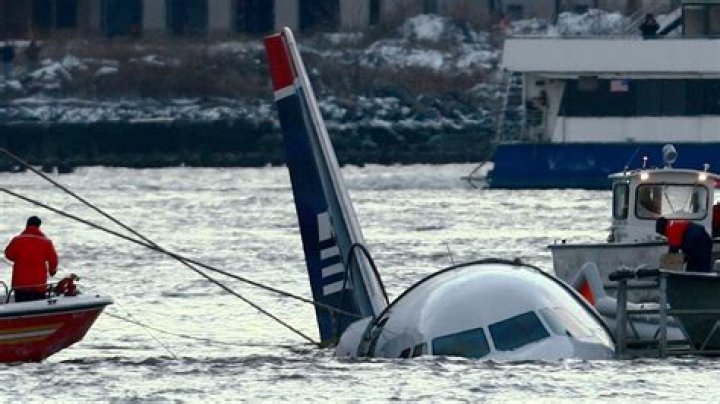
The Hudson River plane accident is one of the most remarkable incidents in aviation history, often referred to as the "Miracle on the Hudson." This event not only captured global attention but also highlighted the incredible skills of the pilots involved and the robustness of emergency response systems. On January 15, 2009, US Airways Flight 1549 made an emergency landing on the Hudson River after a bird strike caused both engines to fail. This article dives deep into the details of the incident, its aftermath, and the lessons learned.
This article aims to provide a comprehensive overview of the Hudson River plane accident, covering key aspects such as the timeline of events, the role of the flight crew, the rescue operations, and the long-term impact on aviation safety. By examining this event from multiple angles, we hope to shed light on how such incidents can be managed effectively to ensure passenger safety.
As you read through, you will gain insights into the technical details of the flight, the heroics of Captain Chesley Sullenberger, and the collaborative efforts that led to the successful rescue of all passengers and crew. This story serves as a testament to human resilience and the importance of preparedness in crisis situations.
Timeline of the Hudson River Plane Accident
The Hudson River plane accident unfolded on January 15, 2009, when US Airways Flight 1549 departed from LaGuardia Airport in New York City. The Airbus A320 was en route to Charlotte, North Carolina, carrying 155 passengers and crew. Just three minutes into the flight, at approximately 3:27 PM, the aircraft encountered a flock of Canada geese, causing both engines to fail.
With limited options and quick thinking, Captain Chesley "Sully" Sullenberger decided to perform an emergency landing on the Hudson River. The aircraft touched down on the water at 3:31 PM, and all passengers and crew were evacuated safely within minutes. This section outlines the critical moments leading up to and following the water landing.
Key Moments in the Incident
- 3:27 PM: Bird strike occurs, causing both engines to fail.
- 3:28 PM: Captain Sullenberger communicates with air traffic control, assessing options for landing.
- 3:31 PM: The plane successfully lands on the Hudson River.
- 3:35 PM: Rescue boats arrive at the scene, beginning the evacuation process.
Causes of the Accident
The primary cause of the Hudson River plane accident was a bird strike, which led to the simultaneous failure of both engines. According to the National Transportation Safety Board (NTSB), the aircraft collided with a flock of Canada geese shortly after takeoff. This incident highlights the ongoing challenge of managing wildlife hazards in aviation.
While bird strikes are relatively common in aviation, this particular event was unusual due to the size and number of birds involved. The NTSB's investigation revealed that the engines ingested multiple geese, causing significant damage and rendering them inoperable.
Factors Contributing to the Incident
- Presence of large bird flocks near the airport.
- Limited altitude for alternative landing options.
- Design limitations of the engines in handling large bird impacts.
The Flight Crew: Heroes of the Hudson
The flight crew of US Airways Flight 1549 played a pivotal role in ensuring the safety of all on board. Led by Captain Chesley Sullenberger and First Officer Jeffrey Skiles, the team demonstrated exceptional skill and composure under pressure. Their decision-making and execution of the water landing have been widely praised as exemplary.
Captain Sullenberger, a veteran pilot with over 40 years of experience, had undergone extensive training in emergency procedures. This expertise was crucial in guiding the aircraft to a safe landing on the Hudson River.
Brief Biography of Captain Sullenberger
| Full Name | Chesley B. Sullenberger III |
|---|---|
| Date of Birth | January 23, 1951 |
| Years of Experience | Over 40 years |
| Notable Achievements | Successfully landed Flight 1549 on the Hudson River |
Rescue Operations on the Hudson River
The rescue operations following the Hudson River plane accident were swift and efficient, involving multiple agencies and civilian vessels. Within minutes of the landing, local ferry boats and emergency responders reached the scene to assist in evacuating passengers and crew. The coordination between these entities was instrumental in ensuring a successful outcome.
Passengers and crew were transferred to nearby piers and medical facilities for evaluation and treatment. The New York Fire Department (FDNY) and the United States Coast Guard played key roles in orchestrating the rescue efforts, while volunteers and bystanders also contributed to the operation.
Key Participants in the Rescue
- New York Fire Department (FDNY)
- United States Coast Guard
- Local ferry operators
- Civilian volunteers
Passenger Experience and Testimonies
The passengers of Flight 1549 experienced a harrowing yet miraculous journey that day. Many have shared their testimonies, recounting the moments of panic and relief during the incident. The professionalism of the flight crew and the rapid response of rescuers were frequently highlighted in these accounts.
One passenger described the landing as "smooth" despite the circumstances, a testament to Captain Sullenberger's skill. Another noted the calm demeanor of the crew, which helped maintain order during the evacuation process.
Common Themes in Passenger Testimonies
- Appreciation for the flight crew's professionalism.
- Gratitude towards rescuers for their quick response.
- Relief at surviving such a potentially catastrophic event.
Investigation and Findings
The National Transportation Safety Board (NTSB) conducted a thorough investigation into the Hudson River plane accident. Their findings provided valuable insights into the causes and contributing factors of the incident, as well as recommendations for improving aviation safety.
The NTSB determined that the bird strike was the primary cause of the accident, but also identified areas for improvement in engine design and bird hazard management. These recommendations have since been implemented by aircraft manufacturers and airport authorities worldwide.
Key Recommendations from the NTSB
- Enhanced engine design to better withstand bird impacts.
- Improved bird hazard management strategies at airports.
- Increased training for pilots in water landing scenarios.
Impact on Aviation Safety
The Hudson River plane accident had a significant impact on aviation safety practices. The incident prompted widespread adoption of new technologies and procedures aimed at reducing the risk of bird strikes and improving emergency response capabilities.
Airports around the world have implemented measures to mitigate bird hazards, including the use of radar systems and habitat management programs. Additionally, aircraft manufacturers have redesigned engines to better withstand bird impacts, ensuring greater resilience in similar situations.
Long-Term Effects of the Incident
- Advancements in bird hazard detection and prevention.
- Improved emergency preparedness and response protocols.
- Increased focus on pilot training in unconventional scenarios.
Media Coverage and Public Reaction
The Hudson River plane accident garnered extensive media coverage, capturing the attention of millions worldwide. The story of survival and heroism resonated deeply with the public, leading to widespread praise for Captain Sullenberger and the flight crew.
Media outlets extensively covered the incident, interviewing survivors, rescuers, and experts to provide detailed accounts of the event. The story was also immortalized in the 2016 film "Sully," directed by Clint Eastwood, which brought further attention to the remarkable incident.
Public Response to the Incident
- Outpouring of support for the flight crew and passengers.
- Recognition of the importance of emergency preparedness.
- Increased awareness of aviation safety issues.
Lessons Learned from the Accident
The Hudson River plane accident offers several valuable lessons for the aviation industry and beyond. The incident underscores the importance of preparedness, teamwork, and adaptability in crisis situations. It also highlights the need for continuous improvement in safety measures and technologies.
By studying this event, stakeholders in aviation can better understand the challenges faced during emergencies and develop strategies to address them effectively. The success of the Hudson River landing serves as a powerful reminder of what can be achieved through skill, determination, and collaboration.
Key Takeaways from the Incident
- The critical role of training and experience in crisis management.
- The importance of effective communication and coordination during emergencies.
- The value of investing in safety technologies and infrastructure.
Conclusion and Final Thoughts
The Hudson River plane accident stands as a testament to human resilience and the power of teamwork in overcoming adversity. Through the exceptional skills of Captain Sullenberger and the flight crew, combined with the rapid response of rescuers, all passengers and crew were saved from what could have been a catastrophic event.
This incident has had a lasting impact on aviation safety, driving advancements in technology and procedures that continue to protect travelers worldwide. As we reflect on the "Miracle on the Hudson," let us remember the importance of preparedness, professionalism, and collaboration in ensuring the safety of all who take to the skies.
We invite you to share your thoughts and insights in the comments below. Additionally, feel free to explore other articles on our site for more in-depth coverage of aviation topics. Thank you for reading!