IoT: Revolutionizing the Future of Connectivity
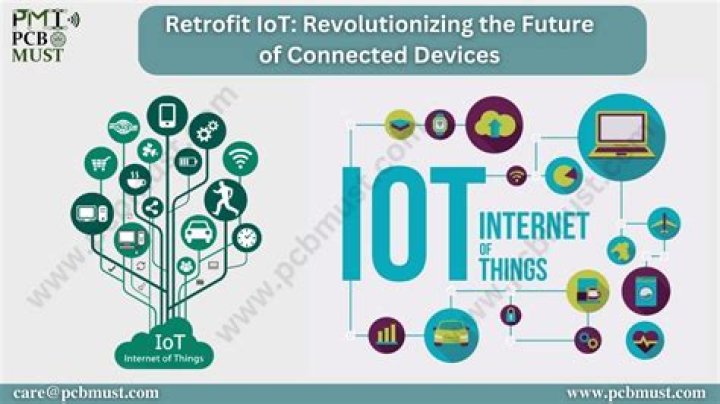
In today's fast-paced world, the Internet of Things (IoT) has emerged as one of the most transformative technologies, redefining how we interact with devices and data. As connectivity continues to evolve, IoT is playing a pivotal role in bridging the gap between the physical and digital realms. Whether it's smart homes, industrial automation, or healthcare innovation, IoT is at the forefront of technological advancement.
The rise of IoT has not only improved convenience but also enhanced efficiency across various industries. By enabling devices to communicate and exchange data seamlessly, IoT is reshaping the way businesses operate and individuals live their daily lives. This technology is no longer a futuristic concept but a reality that continues to expand its reach.
In this comprehensive article, we will delve deep into the world of IoT, exploring its applications, benefits, challenges, and future prospects. Whether you're a tech enthusiast, a business professional, or simply curious about the impact of IoT on everyday life, this guide will provide you with valuable insights into the technology driving the future of connectivity.
Table of Contents:
- What is IoT?
- Benefits of IoT
- Applications of IoT
- Challenges of IoT
- IoT Security
- The Future of IoT
- IoT Statistics
- IoT Standards and Protocols
- IoT in Business
- Conclusion
What is IoT?
The Internet of Things (IoT) refers to the interconnected network of physical devices, vehicles, home appliances, and other items embedded with sensors, software, and connectivity that enables them to collect and exchange data. IoT devices range from simple sensors to complex industrial machines, all designed to enhance efficiency, automation, and data-driven decision-making.
At its core, IoT revolves around the concept of connectivity. Devices communicate with each other and with users through the internet, creating a seamless ecosystem of information exchange. This connectivity allows for real-time monitoring, remote control, and predictive analytics, making IoT an indispensable tool in modern technology.
Benefits of IoT
IoT offers a multitude of benefits across various sectors. From improving operational efficiency to enhancing user experiences, the advantages of IoT are vast and varied:
- Increased Efficiency: Automation and real-time data analysis lead to streamlined processes.
- Cost Savings: Predictive maintenance and resource optimization reduce expenses.
- Enhanced User Experience: Personalized services and real-time feedback improve customer satisfaction.
- Improved Safety: IoT devices can monitor and alert users to potential hazards, ensuring safety in various environments.
Applications of IoT
Smart Homes
IoT has revolutionized the concept of home automation, enabling homeowners to control lighting, temperature, security systems, and appliances remotely. Smart home devices, such as Amazon Echo and Google Nest, have become popular due to their convenience and ease of use.
Key features of smart homes include:
- Remote Control: Operate devices from anywhere using a smartphone or voice commands.
- Energy Efficiency: Optimize energy usage with automated systems.
- Security: Enhance home safety with smart locks, cameras, and sensors.
Industrial IoT
In the industrial sector, IoT is driving the Fourth Industrial Revolution, often referred to as Industry 4.0. By integrating sensors and data analytics into manufacturing processes, businesses can achieve greater efficiency and productivity. Predictive maintenance, supply chain optimization, and quality control are just a few examples of how IoT is transforming industries.
Industrial IoT applications include:
- Machine Monitoring: Track equipment performance in real-time.
- Supply Chain Management: Improve logistics and inventory management.
- Data-Driven Insights: Leverage analytics for informed decision-making.
Healthcare IoT
IoT is making significant strides in healthcare, enabling remote patient monitoring, telemedicine, and personalized healthcare solutions. Wearable devices, such as fitness trackers and smartwatches, provide users with real-time health data, empowering them to take control of their well-being.
Healthcare IoT benefits include:
- Remote Monitoring: Track vital signs and health metrics from anywhere.
- Telemedicine: Facilitate virtual consultations and remote diagnostics.
- Personalized Care: Tailor healthcare solutions to individual needs.
Challenges of IoT
Despite its numerous advantages, IoT faces several challenges that need to be addressed for widespread adoption. These challenges include:
- Security Concerns: Protecting sensitive data and preventing unauthorized access.
- Interoperability: Ensuring compatibility between different IoT devices and platforms.
- Scalability: Managing the growth of IoT networks as more devices are connected.
- Privacy Issues: Safeguarding user privacy in an increasingly connected world.
IoT Security
Security remains one of the most critical aspects of IoT development. With billions of connected devices exchanging data, ensuring robust security measures is paramount. Encryption, authentication, and regular software updates are essential components of IoT security.
Best practices for IoT security include:
- Implementing Strong Authentication: Use multi-factor authentication to secure devices.
- Regular Updates: Keep firmware and software up-to-date to address vulnerabilities.
- Data Encryption: Protect sensitive information with encryption protocols.
The Future of IoT
The future of IoT looks promising, with continued advancements in technology driving innovation. Experts predict that IoT will become even more integrated into daily life, transforming industries and creating new opportunities for growth. Emerging technologies such as 5G, AI, and edge computing will further enhance the capabilities of IoT, enabling faster and more reliable connectivity.
Potential future developments in IoT include:
- Smart Cities: Enhancing urban infrastructure with IoT-enabled solutions.
- Autonomous Vehicles: Revolutionizing transportation with connected cars.
- Environmental Monitoring: Using IoT to address climate change and resource management.
IoT Statistics
Data and statistics provide valuable insights into the growth and impact of IoT. According to recent reports:
- By 2025, the global IoT market is expected to reach $1.6 trillion.
- Over 75 billion IoT devices are projected to be connected by 2025.
- IoT spending in healthcare is anticipated to exceed $410 billion by 2027.
These figures underscore the significance of IoT in shaping the future of technology and industry.
IoT Standards and Protocols
Standardization plays a crucial role in ensuring interoperability and security in IoT. Various organizations, such as IEEE and ISO, have established guidelines and protocols to govern IoT development. Key IoT standards include:
- MQTT: A lightweight messaging protocol for IoT communication.
- CoAP: A protocol designed for constrained devices and networks.
- Zigbee: A low-power wireless communication standard for IoT devices.
IoT in Business
Businesses across industries are leveraging IoT to gain a competitive edge. From retail to agriculture, IoT applications are driving innovation and efficiency. Companies are investing in IoT solutions to improve customer experiences, optimize operations, and unlock new revenue streams.
IoT use cases in business include:
- Inventory Management: Automating stock tracking and replenishment.
- Customer Engagement: Personalizing marketing efforts with IoT data.
- Supply Chain Optimization: Streamlining logistics and reducing costs.
Conclusion
IoT has become a cornerstone of modern technology, transforming the way we live and work. From enhancing home automation to revolutionizing industrial processes, IoT offers countless opportunities for innovation and growth. However, addressing challenges such as security and interoperability is essential for maximizing its potential.
We invite you to explore further resources on IoT and stay updated with the latest developments in this rapidly evolving field. Share your thoughts and experiences in the comments below, and don't forget to check out other articles on our website for more insights into cutting-edge technology.
References:
- Statista. (2023). Internet of Things (IoT) market size worldwide from 2019 to 2025.
- Gartner. (2023). Forecast: Internet of Things – Endpoints and Associated Spend, Worldwide, 2023.
- IEEE. (2023). Standards for Internet of Things (IoT).