Moody Blues: A Timeless Journey Through Music and Melancholy
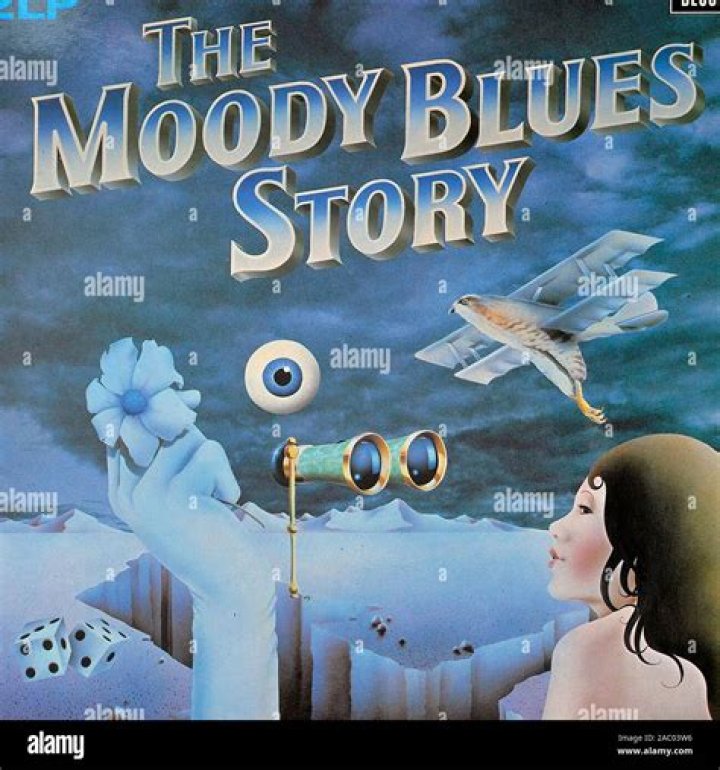
Moody Blues is a legendary British rock band that has left an indelible mark on the music industry. Formed in 1964, the band became synonymous with progressive rock, symphonic rock, and a unique blend of classical and rock influences. Their music continues to resonate with fans across generations, offering a blend of introspective lyrics, lush orchestration, and unforgettable melodies.
The Moody Blues' journey is not just about music; it is a story of artistic evolution, perseverance, and innovation. Over the decades, the band has produced some of the most iconic albums in rock history, including "Days of Future Passed" and "Seventh Sojourn." Their ability to blend rock with orchestral arrangements set them apart from their contemporaries and earned them a dedicated fan base worldwide.
This article delves into the fascinating world of Moody Blues, exploring their origins, key albums, influence on the music industry, and the legacy they have left behind. Whether you are a long-time fan or new to their music, this comprehensive guide will provide insights into why Moody Blues remains a timeless name in the world of rock and roll.
Biography: The Formation of Moody Blues
The Early Days
The Moody Blues' story begins in Birmingham, England, in 1964. Initially formed as a rhythm and blues band, the group quickly evolved into a pioneering force in the progressive rock genre. The original lineup included Mike Pinder (vocals, keyboards), Ray Thomas (flute, vocals), Denny Laine (guitar, vocals), Clint Warwick (bass), and Graeme Edge (drums, vocals).
Key Milestones
In 1965, the band released their debut single, "Go Now," which became a hit in both the UK and the US. This early success paved the way for their groundbreaking album "Days of Future Passed" in 1967, where they collaborated with the London Festival Orchestra to create a symphonic rock masterpiece. This album marked a turning point in their career and established their unique sound.
Key Albums: A Musical Journey
Days of Future Passed
Released in 1967, "Days of Future Passed" is often regarded as the band's magnum opus. The album features timeless tracks such as "Nights in White Satin" and "Tuesday Afternoon." Its innovative use of orchestration and electronic instruments set new standards in the music industry.
In Search of the Lost Chord
This 1968 album further cemented Moody Blues' reputation as pioneers of progressive rock. Tracks like "Om" and "Voices in the Sky" showcased their experimental approach to music, incorporating Eastern philosophies and spiritual themes.
Musical Style and Influences
Moody Blues' music is characterized by its lush arrangements, poetic lyrics, and emotional depth. Their sound draws inspiration from classical music, jazz, and folk, creating a unique blend that appeals to a wide audience. Key instruments such as the mellotron, flute, and electric guitar are integral to their signature sound.
Band Members: Who's Who
Key Figures
Moody Blues has seen several lineup changes over the years, but the core members who defined their sound include:
- Justin Hayward (lead vocals, guitar)
- John Lodge (vocals, bass)
- Graeme Edge (drums, vocals)
- Ray Thomas (flute, vocals)
- Mike Pinder (keyboards, vocals)
Legacy: Impact on Music
Moody Blues' influence on the music industry is immeasurable. Their pioneering work in symphonic rock laid the foundation for countless artists and bands that followed. They were among the first to incorporate orchestral elements into rock music, inspiring genres such as art rock and progressive rock.
Live Performances: The Moody Blues Experience
Concerts and Tours
Moody Blues' live performances are renowned for their grandeur and emotional intensity. Their concerts often feature elaborate stage setups, lighting effects, and full orchestral accompaniment, creating an unforgettable experience for fans. Over the years, they have performed in prestigious venues around the world, including the Royal Albert Hall and Carnegie Hall.
Awards and Recognition
The band's contributions to music have been recognized with numerous awards and honors. They were inducted into the Rock and Roll Hall of Fame in 2018, a testament to their enduring legacy. Additionally, they have received multiple Grammy nominations and awards for their innovative work in music.
Contemporary Influence: Modern Artists Inspired by Moody Blues
Moody Blues' influence extends beyond their era, inspiring contemporary artists across various genres. Bands like Radiohead, Coldplay, and Muse have cited Moody Blues as a major influence on their music. Their ability to blend introspective lyrics with intricate musical arrangements continues to resonate with modern audiences.
Challenges and Triumphs
Overcoming Obstacles
Throughout their career, Moody Blues faced numerous challenges, including lineup changes, personal struggles, and changing musical trends. Despite these obstacles, they persevered, producing music that remains relevant and cherished by fans worldwide. Their ability to adapt and innovate is a testament to their dedication and passion for music.
Conclusion: Why Moody Blues Matters
Moody Blues' journey through the world of music is a testament to their creativity, resilience, and artistic vision. From their early days as a rhythm and blues band to their status as pioneers of progressive rock, they have consistently pushed the boundaries of what rock music can achieve. Their legacy continues to inspire new generations of musicians and fans alike.
We invite you to explore their music further and share your thoughts in the comments below. Whether you are a long-time fan or new to their sound, Moody Blues offers a musical experience that transcends time and trends. Don't forget to check out our other articles for more insights into the world of music!
References:
- Rolling Stone Magazine
- Rock and Roll Hall of Fame
- Billboard