Mouthwash for White Tongue: A Comprehensive Guide to Restoring Oral Health
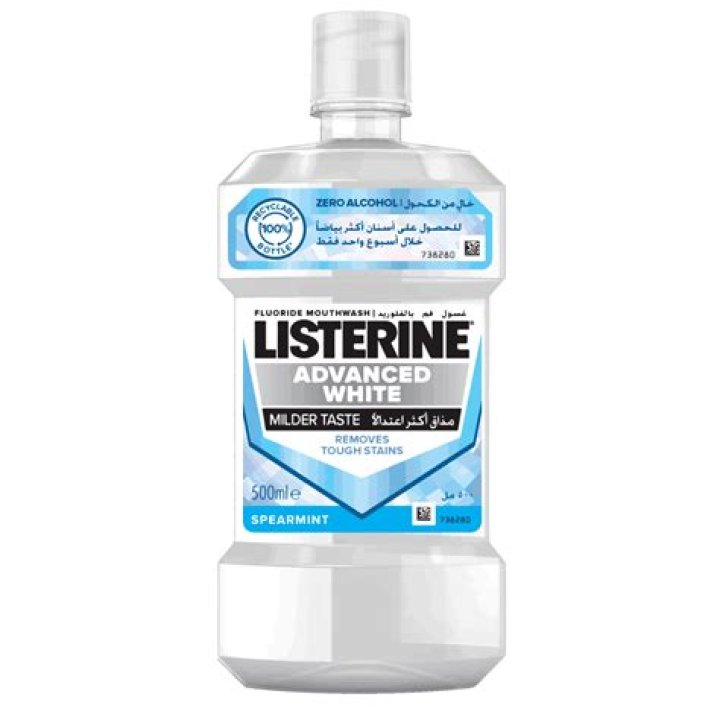
White tongue is a common oral health issue that many people experience at some point in their lives. It can be caused by various factors, including poor oral hygiene, dehydration, smoking, or even certain medical conditions. Fortunately, using the right mouthwash for white tongue can help alleviate this condition and improve your overall oral health.
Having a white tongue can be embarrassing and uncomfortable, but it's often a sign of an underlying issue that needs attention. Understanding the causes and remedies for this condition is essential to maintaining good oral hygiene. In this article, we will explore the best mouthwash options for white tongue and provide tips on how to prevent it from recurring.
Our goal is to empower you with the knowledge and tools to take control of your oral health. By the end of this article, you will have a better understanding of the causes of white tongue, the best mouthwash solutions, and actionable steps to ensure a healthier mouth. Let's dive in!
What is White Tongue?
White tongue refers to a condition where the tongue appears coated with a white substance. This discoloration is often caused by bacteria, debris, and dead cells accumulating on the surface of the tongue. While it may seem alarming, white tongue is usually harmless and can be treated effectively with proper oral care.
In some cases, however, white tongue may indicate an underlying health issue, such as dehydration, oral thrush, or even more serious conditions like leukoplakia or oral lichen planus. Recognizing the symptoms and addressing them promptly is crucial for maintaining overall health.
Causes of White Tongue
Poor Oral Hygiene
Poor oral hygiene is one of the leading causes of white tongue. When you neglect brushing and flossing regularly, bacteria and food particles can build up on your tongue, leading to discoloration. This creates an environment where harmful microorganisms thrive, contributing to bad breath and other oral health problems.
Dehydration
Dehydration can cause your mouth to become dry, reducing saliva production. Saliva plays a crucial role in cleansing the mouth and removing debris. Without adequate hydration, your tongue may develop a white coating as bacteria and dead cells accumulate.
Smoking and Alcohol Consumption
Smoking and excessive alcohol consumption are also significant contributors to white tongue. These habits can irritate the oral tissues and lead to a buildup of harmful substances on the tongue's surface. Quitting smoking and reducing alcohol intake can significantly improve oral health.
Symptoms of White Tongue
Besides the obvious discoloration, there are several other symptoms associated with white tongue. These include:
- Bad breath (halitosis)
- Altered taste sensation
- Dry mouth
- Persistent soreness or irritation
If you experience any of these symptoms, it's important to address the issue promptly to prevent further complications.
Best Mouthwash for White Tongue
Antiseptic Mouthwash
Antiseptic mouthwashes are effective in combating white tongue by killing bacteria and reducing plaque buildup. They often contain ingredients like chlorhexidine, which is known for its strong antimicrobial properties. However, it's important to use these products as directed, as overuse can lead to staining or irritation.
Fluoride Mouthwash
Fluoride mouthwashes help strengthen tooth enamel and reduce the risk of cavities. While they may not directly target white tongue, they contribute to overall oral health, which can indirectly improve the condition. Look for products with ADA (American Dental Association) approval for optimal results.
Natural Mouthwash Options
For those who prefer natural solutions, herbal or essential oil-based mouthwashes can be effective. Ingredients like tea tree oil, peppermint, and eucalyptus have antimicrobial properties that can help cleanse the mouth and reduce white tongue. Always check the product's ingredients and consult with your dentist if you're unsure about compatibility.
Benefits of Using Mouthwash
Incorporating mouthwash into your daily oral care routine offers numerous benefits beyond addressing white tongue. These include:
- Reducing plaque and gingivitis
- Freshening breath
- Enhancing the effectiveness of brushing and flossing
- Providing additional fluoride protection
Choosing the right mouthwash depends on your specific oral health needs and preferences. Consult with your dentist to determine the best option for you.
Preventing White Tongue
Preventing white tongue involves adopting healthy habits and maintaining proper oral hygiene. Here are some tips to keep your tongue clean and healthy:
- Brush your tongue daily using a toothbrush or tongue scraper
- Stay hydrated by drinking plenty of water
- Limit smoking and alcohol consumption
- Visit your dentist regularly for professional cleanings
By making these practices a part of your daily routine, you can significantly reduce the likelihood of developing white tongue.
Home Remedies for White Tongue
Salt Water Rinse
A simple salt water rinse can help cleanse your mouth and reduce bacteria. Mix one teaspoon of salt in a glass of warm water and swish it around your mouth for 30 seconds before spitting it out. Repeat this process twice daily for best results.
Baking Soda
Baking soda is another effective home remedy for white tongue. Its mild abrasive properties help remove debris and bacteria from the tongue's surface. Mix baking soda with water to form a paste and gently scrub your tongue using a toothbrush or cloth.
When to Seek Professional Help
While most cases of white tongue can be resolved with proper oral care, some situations may require professional intervention. If you notice persistent symptoms or any unusual changes in your mouth, consult with your dentist or healthcare provider. They can evaluate your condition and recommend appropriate treatments.
Tips for Maintaining Oral Health
Maintaining good oral health goes beyond addressing white tongue. Here are some additional tips to keep your mouth healthy:
- Brush your teeth twice a day using fluoride toothpaste
- Floss daily to remove plaque between teeth
- Eat a balanced diet rich in fruits and vegetables
- Avoid sugary snacks and drinks
By following these guidelines, you can ensure a healthier mouth and reduce the risk of developing oral health issues.
Conclusion
Mouthwash for white tongue is an essential component of maintaining optimal oral health. By understanding the causes and remedies for this condition, you can take proactive steps to prevent it from recurring. Incorporating the right mouthwash into your daily routine, along with proper oral hygiene practices, can lead to a healthier, happier smile.
We encourage you to share this article with others who may benefit from the information. If you have any questions or comments, feel free to leave them below. Additionally, explore our other resources for more tips on improving your oral health. Together, we can create a brighter, healthier future for everyone!
Data Source: Mayo Clinic, WebMD, American Dental Association