NAACP Founding: The Pioneering Legacy of America's Oldest Civil Rights Organization
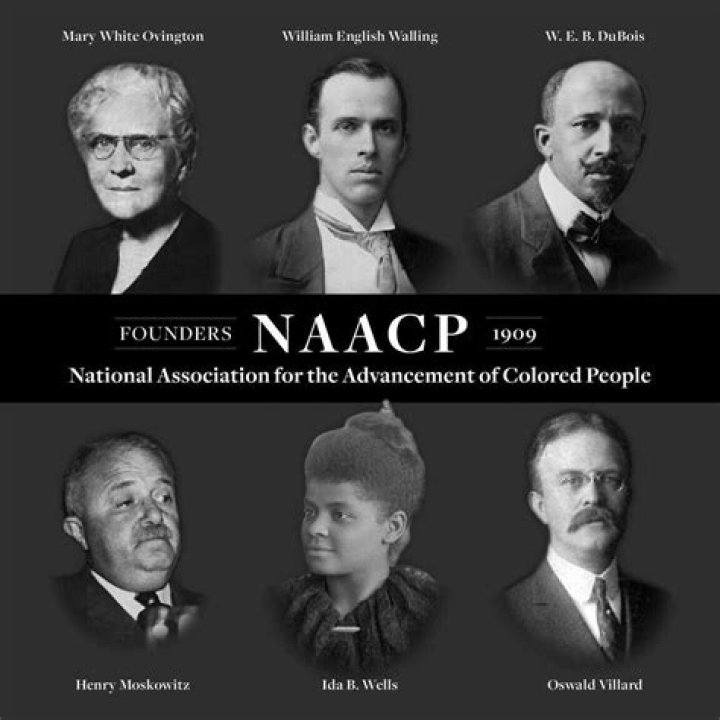
The National Association for the Advancement of Colored People (NAACP) stands as one of the most influential civil rights organizations in American history. Founded in 1909, the NAACP has played a pivotal role in the fight for racial equality and justice. Its founding marked a turning point in the struggle against systemic racism, setting the stage for decades of advocacy and activism that continue to shape American society today.
As we explore the history and significance of the NAACP's founding, it becomes evident how this organization has transformed the landscape of civil rights in the United States. The challenges faced by African Americans in the early 20th century provided the impetus for the creation of an entity dedicated to combating racial injustice through legal, political, and social means.
This article delves into the origins of the NAACP, highlighting key figures, milestones, and the enduring impact of this historic organization. By understanding its founding principles and achievements, we gain valuable insights into the ongoing battle for civil rights and equality in America.
Background and Context of the NAACP Founding
The NAACP was founded against the backdrop of widespread racial discrimination and violence in the United States during the early 1900s. The post-Reconstruction era saw the rise of Jim Crow laws, segregation, and lynching, creating a dire need for organized resistance to racial oppression.
The organization emerged as a response to the horrific race riots that occurred in Springfield, Illinois, in 1908. These events exposed the vulnerability of African Americans and underscored the necessity for a unified effort to address systemic racism.
By bringing together diverse voices from various racial and socioeconomic backgrounds, the NAACP sought to create a coalition committed to advancing civil rights through peaceful and legal means.
Key Figures in the NAACP Founding
W.E.B. Du Bois
W.E.B. Du Bois played a crucial role in shaping the NAACP's early vision and philosophy. As an intellectual and activist, Du Bois emphasized the importance of education and advocacy in the fight for racial equality.
Mary White Ovington
Mary White Ovington, a white social worker and reformer, was instrumental in organizing the initial meetings that led to the NAACP's establishment. Her commitment to social justice and racial harmony helped bridge racial divides during the organization's formative years.
Ida B. Wells
Ida B. Wells, a renowned journalist and anti-lynching crusader, contributed significantly to the NAACP's early efforts to combat racial violence. Her investigative journalism brought attention to the brutal realities of lynching in America.
The Founding Event and Its Significance
The NAACP was officially founded on February 12, 1909, a date chosen to coincide with the centennial of Abraham Lincoln's birth. This symbolic gesture highlighted the organization's dedication to fulfilling the promises of freedom and equality enshrined in the Emancipation Proclamation.
The founding meeting brought together over 60 individuals from various backgrounds, united by a common goal of advancing civil rights. This diverse coalition laid the foundation for the NAACP's inclusive approach to activism.
The significance of the NAACP's founding lies in its commitment to using legal and educational strategies to dismantle racial barriers. By adopting a multi-faceted approach, the organization sought to address the root causes of racial injustice.
Early Goals and Objectives
Abolishing Lynching
One of the NAACP's primary objectives was to eradicate the scourge of lynching in America. Through lobbying efforts and public awareness campaigns, the organization worked tirelessly to bring an end to this brutal practice.
Promoting Education
Education was seen as a powerful tool for empowerment and equality. The NAACP advocated for equal educational opportunities for African Americans, challenging segregationist policies in schools across the country.
Advancing Voting Rights
Voting rights were another key focus of the NAACP's early efforts. The organization fought against discriminatory voting practices, such as poll taxes and literacy tests, which disproportionately affected African Americans.
Impact on Civil Rights Movement
The NAACP's influence on the civil rights movement cannot be overstated. Through landmark legal victories, such as Brown v. Board of Education, the organization dismantled the legal framework of segregation and paved the way for future advancements in civil rights.
By fostering a culture of activism and advocacy, the NAACP inspired generations of civil rights leaders and activists to continue the struggle for equality and justice.
Challenges Faced by the NAACP
Resistance from Racist Groups
Throughout its history, the NAACP faced fierce opposition from racist groups and individuals who sought to maintain the status quo of racial inequality. This resistance often manifested in the form of violence, intimidation, and legal challenges.
Funding and Resource Constraints
Securing adequate funding and resources has been a persistent challenge for the NAACP. Despite these limitations, the organization has managed to maintain its operations and expand its reach through strategic partnerships and community support.
Major Milestones in NAACP History
- 1915: Publication of "The Crisis," the NAACP's official magazine, edited by W.E.B. Du Bois.
- 1954: Successful argument in Brown v. Board of Education, ending legal segregation in public schools.
- 1964: Passage of the Civil Rights Act, a major legislative victory for the NAACP and its allies.
- 2008: Election of Barack Obama, the first African American president, marking a significant milestone in the struggle for racial equality.
The Modern Role of the NAACP
In contemporary times, the NAACP continues to play a vital role in addressing issues of racial inequality and social justice. The organization remains committed to its founding principles while adapting to the evolving challenges of the modern world.
Through initiatives such as voter registration drives, criminal justice reform, and economic empowerment programs, the NAACP strives to create a more just and equitable society for all.
Statistical Insights and Data
Data from the NAACP highlights the ongoing disparities faced by African Americans in various aspects of life:
- African Americans are incarcerated at nearly six times the rate of whites.
- The median wealth of white households is 13 times greater than that of African American households.
- African American unemployment rates consistently exceed those of whites by a significant margin.
These statistics underscore the continued relevance and necessity of the NAACP's mission in the fight for racial equality.
Conclusion and Call to Action
The founding of the NAACP in 1909 marked a pivotal moment in the history of civil rights in America. Through its unwavering commitment to justice and equality, the organization has achieved numerous milestones and inspired countless individuals to join the struggle for a better future.
To continue the legacy of the NAACP, we encourage readers to get involved in advocacy efforts, support civil rights organizations, and educate themselves on the ongoing fight for racial equality. By working together, we can honor the sacrifices of those who came before us and build a more just society for generations to come.
Feel free to leave your thoughts and questions in the comments section below. Share this article with friends and family to spread awareness about the NAACP's vital role in shaping American history.
For further reading, explore additional articles on our website that delve into various aspects of civil rights and social justice.