Native American Hospitals: Comprehensive Care and Cultural Sensitivity
Native American hospitals have become a vital part of the healthcare system, providing culturally sensitive care to Indigenous communities across the United States. These institutions play a crucial role in addressing unique health challenges faced by Native Americans while preserving their cultural heritage. In recent years, there has been a growing focus on improving healthcare access and quality for Native populations, making this topic more relevant than ever.
The history of Native American hospitals is deeply intertwined with the struggles and resilience of Indigenous peoples. From inadequate facilities in the past to modern, state-of-the-art centers today, these institutions have evolved significantly. This article explores the significance of Native American hospitals, the challenges they face, and the innovative solutions being implemented to enhance healthcare delivery.
By understanding the role of Native American hospitals, we can appreciate their impact on public health and recognize the importance of culturally competent care. Whether you're a healthcare professional, policy maker, or simply someone interested in learning more about this critical issue, this article provides valuable insights into the current state and future of Native American healthcare.
History of Native American Hospitals
The journey of Native American hospitals dates back to the early 20th century when the U.S. government first recognized the need for healthcare services tailored to Indigenous communities. Initially, these facilities were rudimentary and often underfunded, leading to significant disparities in health outcomes. However, over the decades, efforts have been made to improve the infrastructure and quality of care provided.
Early Developments
In the early years, Native American hospitals were primarily managed by the Bureau of Indian Affairs (BIA) and later transitioned to the Indian Health Service (IHS). These early facilities were often located in remote areas and struggled with limited resources and staff. Despite these challenges, they laid the foundation for the modern healthcare system serving Native American populations.
Growth and Expansion
As awareness grew about the health disparities faced by Native Americans, there was a push for greater investment in healthcare infrastructure. The 1970s marked a turning point with the passage of the Indian Self-Determination and Education Assistance Act, which allowed tribes to take control of their healthcare facilities. This shift empowered Native communities to tailor services to their specific needs and cultural practices.
Importance of Native American Hospitals
Native American hospitals are not just medical facilities; they are vital community centers that address the unique health challenges faced by Indigenous populations. These institutions provide essential services such as primary care, emergency treatment, and preventive healthcare while respecting cultural traditions.
Addressing Health Disparities
One of the key roles of Native American hospitals is to bridge the gap in health disparities between Native and non-Native populations. Studies show that Native Americans experience higher rates of chronic diseases, including diabetes, heart disease, and cancer. By offering targeted interventions and education, these hospitals aim to improve overall health outcomes.
Cultural Relevance
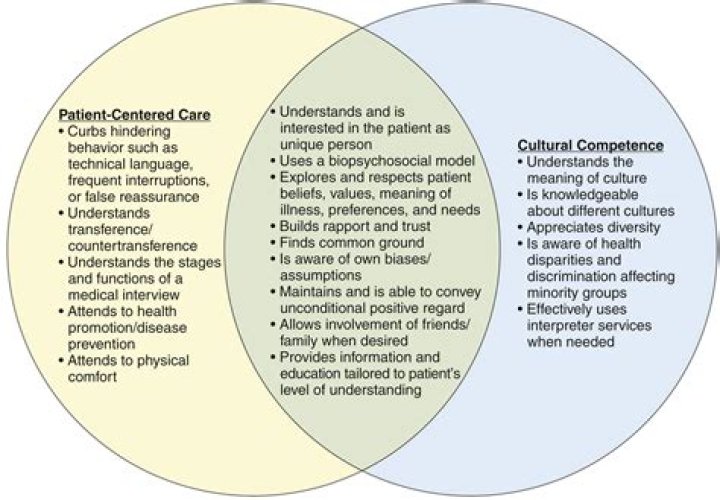
Cultural sensitivity is a cornerstone of Native American healthcare. Hospitals incorporate traditional healing practices alongside modern medicine, ensuring that patients receive holistic care that aligns with their beliefs and values. This approach not only enhances patient satisfaction but also improves adherence to treatment plans.
Challenges Faced by Native American Hospitals
Despite their critical role, Native American hospitals face numerous challenges that hinder their ability to provide optimal care. These challenges range from funding constraints to workforce shortages and geographic barriers.
Funding Constraints
One of the most significant hurdles is the chronic underfunding of Native American hospitals. The Indian Health Service (IHS), which funds many of these facilities, operates on a budget that is often insufficient to meet the needs of the population it serves. This leads to overcrowded facilities, outdated equipment, and limited access to specialists.
Workforce Shortages
Another pressing issue is the shortage of healthcare professionals, particularly in rural and remote areas where many Native American hospitals are located. Recruiting and retaining qualified staff is difficult due to the challenging working conditions and lack of resources. This shortage further exacerbates the strain on existing personnel.
Funding and Resource Allocation
Improving the financial stability of Native American hospitals is crucial for enhancing their capacity to deliver quality care. Efforts are being made at both the federal and tribal levels to address funding gaps and ensure sustainable resource allocation.
Federal Initiatives
The federal government has introduced several initiatives aimed at increasing funding for Native American healthcare. Programs such as the Special Diabetes Program for Indians and the Tribal General Hospital Construction program provide much-needed resources to upgrade facilities and expand services.
Tribal Efforts
Tribes are also taking proactive steps to secure additional funding through partnerships with private organizations and grants. These efforts help supplement federal funding and allow hospitals to invest in cutting-edge technology and training programs for staff.
Culturally Sensitive Care
Cultural sensitivity is at the heart of Native American healthcare, ensuring that patients receive respectful and appropriate care. This approach involves integrating traditional healing practices with modern medical treatments to create a holistic healthcare experience.
Traditional Healing Practices
Many Native American hospitals incorporate traditional healing practices, such as sweat lodges and herbal medicine, into their treatment plans. This integration respects the cultural heritage of patients and fosters a sense of trust and collaboration between healthcare providers and the community.
Language Access
Language barriers can significantly impact the quality of care. Native American hospitals prioritize language access by employing interpreters and providing materials in Indigenous languages. This ensures that patients fully understand their treatment options and can make informed decisions about their health.
Common Health Issues Among Native Americans
Native Americans face a disproportionate burden of health issues compared to other populations. Understanding these challenges is essential for developing effective interventions and improving health outcomes.
- Diabetes: Native Americans have one of the highest rates of diabetes in the world, with prevalence rates exceeding 15% in some communities.
- Heart Disease: Cardiovascular diseases are a leading cause of death among Native Americans, often linked to lifestyle factors and genetic predisposition.
- Substance Abuse: Substance use disorders, including alcohol and opioid addiction, are prevalent in many Native communities, contributing to poor health outcomes.
- Mental Health: Mental health issues, such as depression and anxiety, are common but often underdiagnosed and undertreated due to stigma and lack of access to services.
Innovations in Native American Healthcare
In response to the unique challenges faced by Native American hospitals, innovative solutions are being developed to enhance healthcare delivery. These innovations leverage technology, community engagement, and collaboration to improve access and quality of care.
Telehealth Services
Telehealth has emerged as a powerful tool for reaching patients in remote areas. Native American hospitals are increasingly adopting telemedicine platforms to provide consultations, mental health services, and specialist care without the need for travel. This technology helps overcome geographic barriers and expands the reach of healthcare services.
Community Health Workers
Community health workers play a vital role in bridging the gap between healthcare providers and Native communities. These individuals, often from the community itself, serve as advocates, educators, and liaisons, ensuring that patients receive culturally appropriate care and support.
Partnerships and Collaborations
Successful partnerships between Native American hospitals, tribal organizations, and external stakeholders are essential for driving progress in healthcare. These collaborations bring together diverse expertise and resources to tackle complex health issues.
Academic Partnerships
Collaborations with academic institutions provide opportunities for research, training, and innovation in Native American healthcare. These partnerships help address knowledge gaps and develop evidence-based interventions tailored to the needs of Indigenous populations.
Private Sector Engagement
Engagement with the private sector brings additional funding and resources to Native American hospitals. Partnerships with pharmaceutical companies, technology firms, and healthcare providers can lead to improved access to medications, advanced diagnostic tools, and specialized care.
The Future of Native American Hospitals
The future of Native American hospitals looks promising, with ongoing efforts to improve healthcare access, quality, and cultural relevance. By addressing existing challenges and embracing innovative solutions, these institutions are poised to make a lasting impact on the health and well-being of Indigenous communities.
Policy Changes
Advocacy for policy changes at the federal and tribal levels is crucial for securing long-term funding and support for Native American hospitals. Policies that prioritize healthcare equity and cultural competence will ensure that these institutions continue to thrive and meet the evolving needs of their communities.
Sustainability
Sustainability is a key focus for the future of Native American healthcare. By investing in renewable energy, sustainable infrastructure, and workforce development, hospitals can reduce costs and improve efficiency while maintaining high standards of care.
Conclusion
Native American hospitals are vital institutions that provide culturally sensitive care to Indigenous communities across the United States. Despite facing numerous challenges, these facilities continue to innovate and adapt to meet the unique health needs of their populations. By addressing funding gaps, embracing technology, and fostering partnerships, Native American hospitals are paving the way for a brighter future in healthcare.
We encourage readers to engage with this topic by sharing their thoughts and experiences in the comments section. Your input can help raise awareness and drive meaningful change. Additionally, explore other articles on our site to learn more about healthcare issues affecting diverse populations. Together, we can work towards a healthier, more equitable future for all.