Navigating Menopause: Understanding Symptoms, Treatments, and Lifestyle Adjustments
Menopause is a significant phase in a woman's life that marks the natural end of her reproductive years. It is a physiological process that typically occurs between the ages of 45 and 55, though it can vary from person to person. This transition brings about various changes in the body, and understanding these changes can empower women to manage this phase effectively. Menopause is not a disease but rather a natural biological process that affects millions of women worldwide.
During menopause, the body experiences a decline in estrogen and progesterone production, leading to a variety of symptoms. These symptoms can range from mild to severe, impacting both physical and emotional well-being. From hot flashes to mood swings, each woman's experience with menopause is unique. By educating themselves about the changes they may encounter, women can take proactive steps to improve their quality of life during this period.
This article delves into the intricacies of menopause, exploring its symptoms, treatment options, and lifestyle adjustments that can help women navigate this transformative phase. With expert insights and reliable information, we aim to provide a comprehensive guide that addresses the concerns and questions women may have about menopause. Let's begin by examining the key aspects of this life-changing event.
What is Menopause?
Menopause refers to the stage in a woman's life when menstruation stops permanently, signaling the end of her reproductive years. It is officially diagnosed after a woman has gone 12 consecutive months without a menstrual period. This phase is part of the natural aging process and typically occurs in women between the ages of 45 and 55, although it can occur earlier or later depending on individual factors.
Menopause is not an overnight event but rather a gradual transition that involves three distinct phases: perimenopause, menopause, and postmenopause. Each phase brings its own set of changes and challenges, making it essential for women to understand what to expect during this time.
Stages of Menopause
Understanding the stages of menopause can help women anticipate the changes they may experience. Here are the three main stages:
- Perimenopause: This is the transitional phase leading up to menopause, during which hormone levels fluctuate, and symptoms may begin to appear.
- Menopause: This is the point when a woman has not had a menstrual period for 12 consecutive months. It marks the end of her reproductive years.
- Postmenopause: This phase occurs after menopause and continues for the rest of a woman's life. During this time, symptoms may improve, but women may face an increased risk of certain health conditions.
Symptoms of Menopause
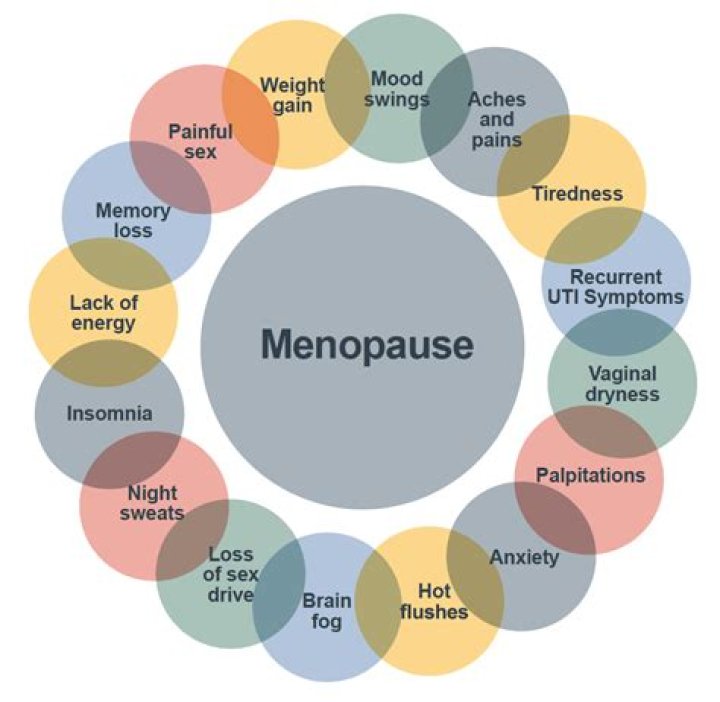
Menopause brings about a wide range of symptoms, which can vary in intensity and duration from one woman to another. These symptoms are primarily caused by hormonal fluctuations, particularly the decrease in estrogen and progesterone levels. Recognizing these symptoms is crucial for managing them effectively.
Common Symptoms of Menopause
- Hot flashes
- Night sweats
- Vaginal dryness
- Sleep disturbances
- Mood swings
- Decreased libido
- Memory lapses
- Weight gain
While these symptoms can be challenging, many women find relief through various treatments and lifestyle adjustments. It is important to consult a healthcare professional for personalized advice and support.
Causes of Menopause
Menopause is primarily caused by the natural decline in reproductive hormones as women age. However, there are other factors that can trigger menopause, including medical interventions and certain health conditions. Understanding these causes can help women better prepare for this life transition.
Natural Causes of Menopause
The most common cause of menopause is the natural aging process. As women age, their ovaries gradually produce less estrogen and progesterone, leading to the cessation of menstruation. This process typically begins in the late 40s or early 50s and is a normal part of life.
Induced Menopause
In some cases, menopause can be induced by medical treatments or surgeries. For example, a hysterectomy (removal of the uterus) or oophorectomy (removal of the ovaries) can cause immediate menopause. Additionally, certain cancer treatments, such as chemotherapy or radiation therapy, can accelerate the onset of menopause.
Diagnosing Menopause
Diagnosing menopause is relatively straightforward, as it is based on the absence of menstruation for 12 consecutive months. However, healthcare providers may use additional tests to confirm the diagnosis, especially if a woman is experiencing symptoms earlier than expected.
Tests that may be used include:
- FSH (Follicle-Stimulating Hormone) Test: Measures the level of FSH in the blood, which increases during menopause.
- Estrogen Test: Measures the level of estrogen in the blood, which decreases during menopause.
- Thyroid Function Test: Excludes thyroid disorders, which can cause symptoms similar to menopause.
Consulting a healthcare professional is essential for accurate diagnosis and appropriate management of menopause symptoms.
Treatment Options for Menopause
There are several treatment options available to help women manage the symptoms of menopause. These treatments range from hormone replacement therapy (HRT) to non-hormonal medications and natural remedies. The choice of treatment depends on the severity of symptoms, individual health history, and personal preferences.
Hormone Replacement Therapy (HRT)
HRT involves the use of estrogen and progesterone to alleviate menopause symptoms. It is effective in reducing hot flashes, night sweats, and vaginal dryness. However, it carries certain risks, such as an increased risk of blood clots and breast cancer, so it should be used under the guidance of a healthcare professional.
Non-Hormonal Treatments
For women who prefer to avoid hormones, there are several non-hormonal options available. These include:
- Antidepressants
- Clonidine
- Gabapentin
These medications can help alleviate certain symptoms, such as hot flashes and mood swings, without the use of hormones.
Lifestyle Adjustments for Managing Menopause
In addition to medical treatments, lifestyle adjustments can play a significant role in managing menopause symptoms. Simple changes in diet, exercise, and stress management can make a big difference in how women experience this phase of life.
Diet and Exercise
A balanced diet rich in fruits, vegetables, whole grains, and lean proteins can help maintain a healthy weight and reduce the risk of osteoporosis and heart disease. Regular exercise, including both aerobic and strength-training activities, can improve overall health and alleviate symptoms such as mood swings and sleep disturbances.
Nutrition and Menopause
Nutrition plays a critical role in managing menopause symptoms and maintaining long-term health. Women in menopause should focus on consuming adequate calcium and vitamin D to support bone health. Additionally, omega-3 fatty acids and phytoestrogens (found in soy products) can help reduce inflammation and balance hormones.
Mental Health During Menopause
Mental health is an important consideration during menopause, as many women experience mood swings, anxiety, and depression during this time. Stress management techniques, such as mindfulness meditation, yoga, and therapy, can be beneficial in maintaining emotional well-being.
Long-Term Effects of Menopause
Menopause can have long-term effects on a woman's health, particularly in terms of bone density and cardiovascular health. It is important for women to take steps to protect their health during this phase, such as regular exercise, a healthy diet, and routine medical check-ups.
Conclusion
Menopause is a natural and inevitable phase in a woman's life, but it doesn't have to be a daunting experience. By understanding the symptoms, causes, and treatment options available, women can navigate this transition with confidence and ease. Whether through medical treatments, lifestyle adjustments, or nutritional changes, there are many ways to manage the challenges of menopause and maintain overall well-being.
We encourage readers to share their experiences and insights in the comments below. Additionally, feel free to explore other articles on our website for more information on women's health and wellness. Together, we can support each other through this transformative phase of life.
Data Source: Mayo Clinic