New York 2nd Avenue Subway: Transforming Urban Mobility in Manhattan
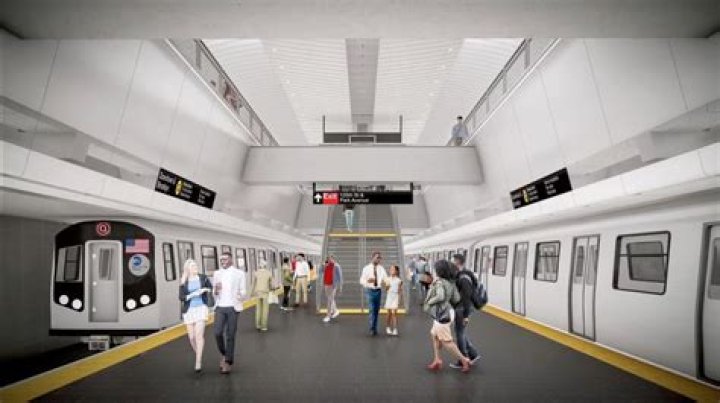
The New York 2nd Avenue Subway is a groundbreaking development that has transformed public transportation in one of the busiest cities in the world. This long-awaited subway line has finally come to fruition, offering residents and visitors alike an efficient and reliable way to navigate Manhattan's bustling streets. The project has been hailed as a major milestone in New York City's infrastructure, addressing decades of congestion and improving connectivity across the city.
For years, New Yorkers have relied on an aging subway system that often struggled to meet the demands of a growing population. The introduction of the 2nd Avenue Subway marks a significant step forward in modernizing the city's transit network. It provides much-needed relief to overcrowded lines and improves accessibility for millions of people who depend on public transportation daily.
As we delve deeper into this topic, we will explore the history, development, and impact of the New York 2nd Avenue Subway. By the end of this article, you will have a comprehensive understanding of why this project is crucial for the future of urban mobility in New York City.
History of the 2nd Avenue Subway
The idea for a subway line along Manhattan's 2nd Avenue dates back nearly a century. Initial plans were proposed in the 1920s, but the project faced numerous delays and setbacks over the decades. Economic challenges, political disputes, and technical difficulties all contributed to the prolonged development process. However, the city's commitment to improving public transportation eventually led to the groundbreaking ceremony in 2007.
Early Proposals
In the early 20th century, the rapid expansion of New York City highlighted the need for additional subway lines to accommodate growing populations. The 2nd Avenue Subway was seen as a solution to alleviate pressure on the overcrowded Lexington Avenue Line. Despite initial enthusiasm, the project was shelved due to the Great Depression and World War II.
Modern Revival
By the late 20th century, the importance of the 2nd Avenue Subway became increasingly apparent. Advances in tunneling technology and renewed political will finally paved the way for construction to begin. The project gained momentum in the early 2000s, with significant funding allocated to bring the vision to life.
Project Overview
The New York 2nd Avenue Subway is a state-of-the-art transit line that spans several neighborhoods in Manhattan. It features modern stations equipped with advanced amenities, including elevators, escalators, and digital signage. The line operates with new subway cars designed for comfort and efficiency, offering passengers a seamless travel experience.
Key Features
- Modern station designs
- State-of-the-art subway cars
- Improved accessibility for people with disabilities
- Real-time train tracking
Construction Challenges
Building the 2nd Avenue Subway was no small feat. The project involved complex engineering and intricate coordination to minimize disruption to existing infrastructure. Navigating through Manhattan's dense underground network of utilities and existing subway lines required innovative solutions and careful planning.
Tunneling Techniques
Engineers employed advanced tunnel boring machines (TBMs) to excavate the subway tunnels. This technology allowed for precise and efficient construction while reducing noise and vibration on the surface. Despite these advancements, challenges such as underground obstructions and unforeseen geological conditions occasionally slowed progress.
Benefits of the 2nd Avenue Subway
The completion of the 2nd Avenue Subway brings numerous benefits to New York City. It enhances public transportation options, reduces travel times, and improves overall quality of life for residents. Additionally, the line serves as a catalyst for economic growth and urban development in surrounding neighborhoods.
Improved Connectivity
With stations strategically located throughout Manhattan, the 2nd Avenue Subway connects key areas of the city more efficiently than ever before. Passengers can now reach their destinations faster, avoiding the congestion of the Lexington Avenue Line.
Economic Impact
The economic implications of the 2nd Avenue Subway are significant. Improved transportation infrastructure attracts businesses, increases property values, and creates job opportunities. According to a report by the New York Metropolitan Transportation Authority (MTA), the project is expected to generate billions of dollars in economic activity over the coming years.
Property Development
Neighborhoods along the 2nd Avenue Subway corridor have already seen increased interest from developers. New residential and commercial projects are underway, driven by the enhanced accessibility provided by the subway line. This trend is expected to continue as more people choose to live and work in these areas.
Environmental Effects
From an environmental perspective, the 2nd Avenue Subway contributes to reducing the city's carbon footprint. By encouraging the use of public transportation, it helps decrease reliance on cars and taxis, leading to lower emissions and improved air quality. The project also incorporates sustainable practices in its design and construction.
Energy Efficiency
The subway stations are equipped with energy-efficient lighting and HVAC systems, minimizing resource consumption. These measures align with New York City's broader sustainability goals and demonstrate a commitment to environmentally responsible urban development.
Future Expansion Plans
While the initial phase of the 2nd Avenue Subway has been completed, plans for further expansion are underway. The MTA aims to extend the line further north and south, connecting even more neighborhoods to the subway network. This extension will further enhance the city's public transportation system and address the needs of a growing population.
Proposed Extensions
The proposed expansions include additional stations and improved connections to other subway lines. These developments will ensure that the 2nd Avenue Subway continues to serve as a vital artery for New York City's transportation infrastructure.
Public Reaction
Since its opening, the 2nd Avenue Subway has received widespread praise from both residents and visitors. Many appreciate the convenience and reliability it offers, while others commend the modern amenities and design of the stations. However, some critics argue that the project took too long to complete and cost more than initially anticipated.
Community Engagement
Throughout the development process, community input played a crucial role in shaping the project. Public meetings and consultations ensured that the needs and concerns of local residents were addressed, fostering a sense of ownership and collaboration.
Comparison with Other Subway Lines
Compared to other subway lines in New York City, the 2nd Avenue Subway stands out for its modern design and advanced features. It offers a glimpse into the future of urban transit, setting a benchmark for other cities around the world. While it shares similarities with existing lines in terms of functionality, its innovative approach sets it apart.
Technological Advancements
From automated train operations to real-time passenger information systems, the 2nd Avenue Subway incorporates cutting-edge technology that enhances the overall travel experience. These advancements not only improve efficiency but also contribute to a more enjoyable ride for passengers.
Conclusion
The New York 2nd Avenue Subway represents a major achievement in urban infrastructure development. By addressing long-standing transportation challenges, it has significantly improved the quality of life for millions of New Yorkers. The project's success serves as a testament to the power of perseverance, innovation, and collaboration.
We encourage you to share your thoughts and experiences with the 2nd Avenue Subway in the comments below. Your feedback helps us better understand the impact of this transformative project. Additionally, feel free to explore other articles on our site for more insights into urban development and public transportation.
References:
- New York Metropolitan Transportation Authority (MTA)
- City of New York Department of Transportation
- U.S. Department of Transportation