New York Subway Line: A Comprehensive Guide to Navigating the City
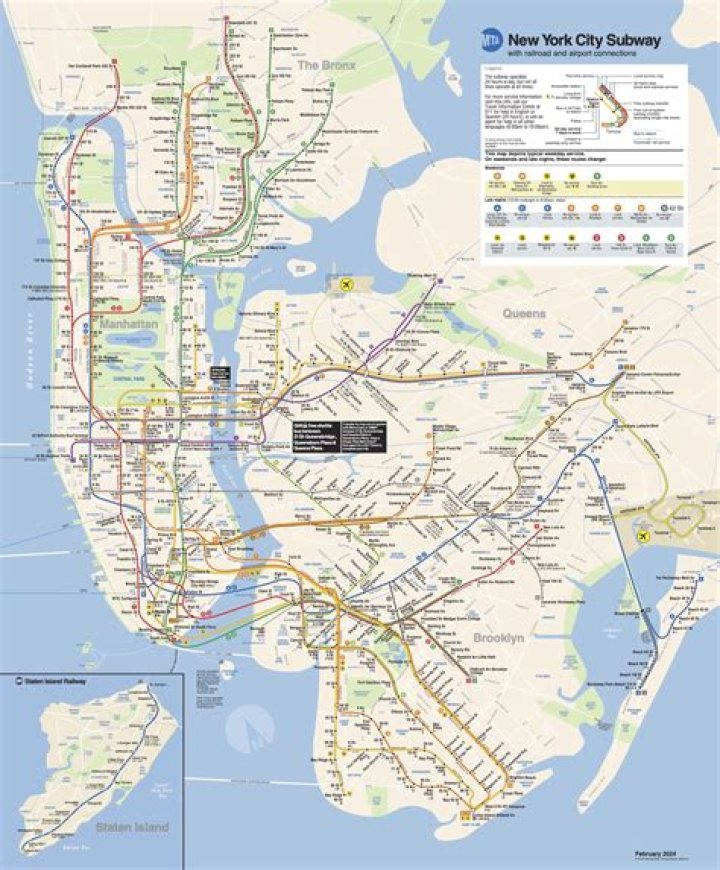
Exploring the intricate web of the New York subway line is an essential part of understanding how the city functions and thrives. As one of the oldest and busiest public transportation systems in the world, the New York subway line offers a unique experience for both locals and tourists alike. Whether you're commuting to work or exploring the vibrant neighborhoods of the Big Apple, the subway system is your gateway to the city's pulse.
With over 470 stations spread across five boroughs, the New York subway line is a lifeline for millions of residents and visitors daily. Its history, efficiency, and accessibility make it a cornerstone of urban life in New York City. In this article, we will delve into the details of the subway system, providing you with all the information you need to navigate it effectively.
From its inception in 1904 to its current state-of-the-art infrastructure, the New York subway line continues to evolve, adapting to the needs of a growing population. Whether you're a first-time visitor or a seasoned commuter, this guide will help you make the most of your subway experience.
History of the New York Subway Line
The New York subway line has a rich history that dates back to its opening in 1904. Initially known as the Interborough Rapid Transit (IRT), the subway system revolutionized public transportation in the city. Over the years, it has expanded significantly, incorporating new lines and technologies to meet the demands of its growing ridership.
In the early 20th century, the subway system was operated by two private companies: the IRT and the Brooklyn-Manhattan Transit Corporation (BMT). In 1940, the city took over operations, merging these systems with the city-owned Independent Subway System (IND) to form the unified subway network we know today.
Early Development and Key Milestones
- 1904: The first subway line opens, connecting City Hall to 145th Street in Harlem.
- 1913: The Dual Contracts expand the subway network significantly.
- 1932: The IND subway system begins operations, offering new routes across the city.
These milestones highlight the evolution of the subway system, which has become an integral part of New York City's identity.
Structure and Layout of the Subway System
The New York subway line is organized into a complex network of lines and stations, each serving specific areas of the city. Understanding the structure of the subway system is crucial for efficient navigation.
Coverage Across Boroughs
The subway system spans Manhattan, Brooklyn, Queens, The Bronx, and even parts of Staten Island via connecting buses. Each borough has its own unique set of lines, catering to the diverse needs of its residents.
- Manhattan: Home to major lines such as the 1, 2, 3, 4, 5, 6, and 7.
- Brooklyn: Served by lines like the B, D, N, Q, and R.
- Queens: Accessible via the 7, E, F, M, and R lines.
- The Bronx: Covered by the 2, 4, 5, and 6 lines.
This extensive network ensures that no matter where you are in the city, you're never too far from a subway station.
Understanding Subway Routes and Lines
One of the most important aspects of navigating the New York subway line is understanding the different routes and lines. Each line is identified by a letter or number, making it easier for riders to plan their journeys.
Line Identifiers and Colors
Lines are color-coded based on the routes they serve:
- Lettered lines (A, C, E, etc.) serve express and local routes across multiple boroughs.
- Numbered lines (1, 2, 3, etc.) primarily serve Manhattan and The Bronx.
These identifiers help riders quickly recognize which trains to take for their destinations.
Fares and Payment Options
Traveling on the New York subway line requires understanding the fare structure and payment options available. The Metropolitan Transportation Authority (MTA) manages the subway system and offers various ways to pay for rides.
Payment Methods and MetroCard
- MetroCard: A reusable card that can be loaded with pay-per-ride or unlimited ride options.
- OMNY: A contactless payment system that allows riders to use debit/credit cards or smartphones for fare payment.
These payment options provide convenience and flexibility for commuters, ensuring a seamless travel experience.
Schedules and Timetables
The New York subway line operates 24 hours a day, seven days a week, making it one of the few subway systems in the world to offer round-the-clock service. However, schedules and timetables vary depending on the line and time of day.
Service Frequencies and Variations
Peak hours see more frequent service, while off-peak hours may have longer wait times between trains. It's essential to check the MTA's official website or app for real-time updates and schedule information.
Safety Tips for Subway Travelers
Safety is a top priority when using the New York subway line. While the system is generally safe, it's important to remain vigilant and follow basic safety guidelines.
Personal Safety and Awareness
- Stay aware of your surroundings at all times.
- Avoid standing too close to the edge of the platform.
- Report any suspicious activity to subway staff or law enforcement.
By practicing these safety tips, you can ensure a secure and enjoyable subway experience.
Practical Tips for Efficient Travel
Efficient travel on the New York subway line requires planning and preparation. Here are some practical tips to help you navigate the system with ease:
Planning Your Trips and Routes
- Use the MTA's Trip Planner tool to find the fastest routes.
- Consider alternative routes during peak hours or service disruptions.
- Download offline maps for reference in areas with limited cell service.
These strategies will help you save time and avoid unnecessary delays.
Ongoing and Future Expansion Plans
The New York subway line continues to undergo improvements and expansions to accommodate the city's growing population. These developments aim to enhance service reliability and accessibility.
Current Projects and Initiatives
- Second Avenue Subway: An ongoing project to extend service along Manhattan's East Side.
- Modernization Efforts: Upgrading signals, stations, and rolling stock to improve overall performance.
These projects represent the MTA's commitment to maintaining a world-class subway system.
Subway Statistics and Ridership Data
The New York subway line serves millions of riders daily, making it one of the busiest public transportation systems globally. Understanding the statistics and ridership data provides insight into its significance.
Ridership Numbers and Trends
According to the MTA, the subway system carries over 5 million passengers daily, with annual ridership exceeding 1.7 billion. These numbers reflect the system's importance in the daily lives of New Yorkers.
The Future of the New York Subway Line
As the city continues to grow, the New York subway line will play an even more critical role in shaping its future. Innovations in technology and infrastructure will ensure that the subway system remains a vital component of urban life.
In conclusion, the New York subway line is an indispensable part of the city's identity and functionality. By understanding its history, structure, and ongoing developments, you can make the most of your subway experience. We encourage you to share your thoughts and experiences in the comments below and explore other articles on our site for more insights into New York City.