Nixon Presidential Library: A Comprehensive Guide to History and Legacy
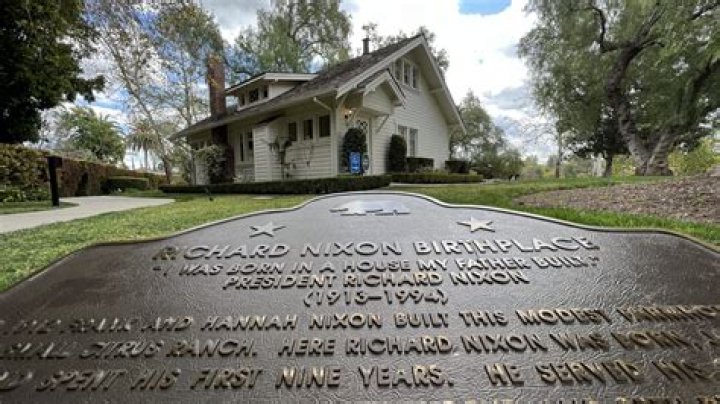
The Nixon Presidential Library stands as a testament to the life, leadership, and legacy of Richard Nixon, the 37th President of the United States. This institution not only preserves the history of one of the most complex figures in American politics but also serves as an educational hub for understanding the pivotal events that shaped the nation during his presidency. Whether you're a history enthusiast or a casual visitor, this library offers a unique opportunity to delve into the intricacies of Nixon's administration and its lasting impact.
Established in 1990, the Nixon Presidential Library is located in Yorba Linda, California, the birthplace of Richard Nixon. The library's exhibits, archives, and educational programs provide an in-depth look at Nixon's political career, the challenges he faced, and the controversies that defined his presidency. It is a place where history comes alive through interactive displays, artifacts, and multimedia presentations.
This article will take you on a journey through the Nixon Presidential Library, exploring its significance, key exhibits, and the lessons it offers for future generations. We'll also examine how the library contributes to the ongoing dialogue about the presidency, governance, and the role of leadership in shaping the nation's destiny.
Biography of Richard Nixon
Early Life and Career
Richard Milhous Nixon was born on January 9, 1913, in Yorba Linda, California. He grew up in a modest Quaker household, which instilled in him strong values of hard work, integrity, and perseverance. Nixon excelled academically, graduating from Whittier College and Duke University School of Law before embarking on a career in public service.
Below is a summary of Nixon's early life and career:
| Year | Event |
|---|---|
| 1913 | Richard Nixon is born in Yorba Linda, California |
| 1934 | Graduates from Whittier College |
| 1937 | Graduates from Duke University School of Law |
| 1942 | Begins his career in public service |
Presidential Career
Nixon's political career reached its zenith when he was elected as the 37th President of the United States in 1969. His presidency was marked by significant achievements, including the establishment of diplomatic relations with China, the signing of the Strategic Arms Limitation Talks (SALT) agreement with the Soviet Union, and the end of American involvement in the Vietnam War. Despite these accomplishments, Nixon's presidency was overshadowed by the Watergate scandal, which ultimately led to his resignation in 1974.
Overview of the Nixon Presidential Library
The Nixon Presidential Library, established in 1990, serves as a repository for the papers, records, and artifacts of Richard Nixon's presidency. It is one of 14 presidential libraries administered by the National Archives and Records Administration (NARA). The library's mission is to preserve and provide access to historical materials while promoting education and civic engagement.
The library spans over 18 acres and features a variety of exhibits, archives, and educational programs. Visitors can explore Nixon's life and presidency through interactive displays, multimedia presentations, and a range of educational activities. The library also hosts special events, lectures, and symposia that bring together scholars, historians, and the public to discuss issues of historical and contemporary significance.
Key Exhibits at the Library
Early Life and Family
This exhibit provides an intimate look at Nixon's early life, family, and upbringing. Visitors can explore artifacts, photographs, and personal belongings that offer insight into the formative years of one of America's most influential leaders. The exhibit highlights Nixon's Quaker roots, his academic achievements, and his early career in public service.
Presidential Achievements
This section showcases Nixon's key accomplishments during his presidency, including the establishment of diplomatic relations with China, the signing of the SALT agreement, and the end of American involvement in the Vietnam War. The exhibit features interactive displays, multimedia presentations, and artifacts that bring these historical events to life.
Archives and Collections
The Nixon Presidential Library houses an extensive collection of papers, records, and artifacts related to Nixon's presidency. These materials include official White House documents, personal correspondence, photographs, and audio recordings. The library's archives are a valuable resource for researchers, historians, and the public, providing unparalleled access to the inner workings of Nixon's administration.
Some of the key collections include:
- White House Tapes: Audio recordings of Nixon's conversations with staff, advisors, and world leaders.
- Official Papers: Documents related to Nixon's official duties as President.
- Personal Correspondence: Letters and notes exchanged between Nixon and his family, friends, and associates.
Educational Programs and Resources
The Nixon Presidential Library offers a range of educational programs and resources designed to engage students, teachers, and lifelong learners. These programs include guided tours, workshops, and curriculum materials that align with state and national education standards. The library also provides online resources, such as virtual exhibits and digital archives, that make it easy for educators and students to access historical materials from anywhere in the world.
Controversies Surrounding Nixon's Presidency
Watergate Scandal
The Watergate scandal remains one of the most infamous episodes in American political history. It began in 1972 when five men were caught breaking into the Democratic National Committee headquarters at the Watergate complex in Washington, D.C. The investigation that followed revealed a web of illegal activities and cover-ups that ultimately led to Nixon's resignation in 1974. The library provides a comprehensive examination of the scandal, offering visitors the opportunity to explore the events, individuals, and decisions that shaped this pivotal moment in history.
Legacy of Richard Nixon
Richard Nixon's legacy is complex and multifaceted. While his presidency was marked by significant achievements in foreign policy, it was also overshadowed by the Watergate scandal and its aftermath. Despite these challenges, Nixon's contributions to diplomacy, economic policy, and environmental protection continue to influence American politics and society today. The Nixon Presidential Library plays a crucial role in preserving and interpreting this legacy, ensuring that future generations have access to the historical materials and insights needed to understand this important period in American history.
Visiting the Nixon Presidential Library
The Nixon Presidential Library is open to the public year-round, offering a range of exhibits, programs, and resources for visitors of all ages. Admission fees vary depending on age, group size, and special events. The library also offers guided tours, audio guides, and educational programs that enhance the visitor experience.
For those unable to visit in person, the library provides a wealth of online resources, including virtual exhibits, digital archives, and educational materials. These resources make it easy for people around the world to explore the history and legacy of Richard Nixon from the comfort of their own homes.
The Library's Impact on Historical Discourse
The Nixon Presidential Library has had a significant impact on historical discourse, providing scholars, educators, and the public with access to primary source materials that offer new insights into Nixon's presidency. Through its exhibits, archives, and educational programs, the library fosters a deeper understanding of the complexities of leadership, governance, and the role of the presidency in shaping the nation's destiny.
Future Developments and Plans
The Nixon Presidential Library continues to evolve, with ongoing efforts to expand its exhibits, archives, and educational programs. Future developments include the addition of new exhibits, the digitization of archival materials, and the creation of innovative educational resources. These initiatives aim to enhance the library's ability to engage and educate visitors, ensuring that it remains a vital institution for understanding the history and legacy of Richard Nixon.
Kesimpulan
The Nixon Presidential Library offers a comprehensive look at the life, leadership, and legacy of Richard Nixon, one of the most complex figures in American political history. Through its exhibits, archives, and educational programs, the library provides visitors with the opportunity to explore the pivotal events that shaped Nixon's presidency and their lasting impact on the nation. By preserving and interpreting this history, the library plays a crucial role in fostering a deeper understanding of leadership, governance, and the role of the presidency in shaping the nation's destiny.
We invite you to visit the Nixon Presidential Library, either in person or online, and discover the rich history and legacy of Richard Nixon for yourself. Your feedback, comments, and questions are always welcome, and we encourage you to share this article with others who may be interested in learning more about this important institution. Together, we can continue the dialogue about the presidency, governance, and the lessons of history that shape our future.