Pablo Escobar: The Untold Legacy and Impact Today
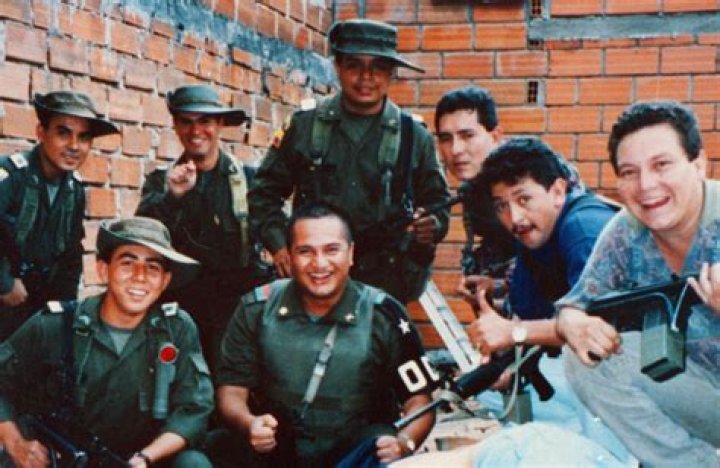
Pablo Escobar, the infamous Colombian drug lord, remains one of the most fascinating and controversial figures in modern history. His name evokes images of power, violence, and wealth, leaving an indelible mark on global drug trade dynamics. Despite his death in 1993, the influence of Pablo Escobar continues to resonate today, shaping discussions about crime, justice, and societal challenges.
Pablo Escobar's legacy extends far beyond the Medellín Cartel he once led. His story is a cautionary tale of how ambition, greed, and ruthlessness can shape the world. This article delves into the life, impact, and enduring relevance of Escobar's legacy, exploring how his actions continue to affect society today.
As we examine the modern implications of Pablo Escobar's life, this article will explore his rise to power, his influence on global drug trafficking, and the lessons society can learn from his story. By understanding the complexities of his life and legacy, we can better comprehend the challenges faced in combating organized crime and its lasting effects.
Biography of Pablo Escobar
Pablo Emilio Escobar Gaviria was born on December 1, 1949, in Rionegro, Antioquia, Colombia. From humble beginnings, Escobar rose to become one of the wealthiest and most powerful criminals in history. Below is a summary of his life:
Data and Personal Information
| Full Name | Pablo Emilio Escobar Gaviria |
|---|---|
| Date of Birth | December 1, 1949 |
| Place of Birth | Rionegro, Antioquia, Colombia |
| Date of Death | December 2, 1993 |
| Cause of Death | Gunshot wounds during a police raid |
| Occupation | Drug Lord, Leader of the Medellín Cartel |
Rise to Power: The Making of a Drug Lord
Pablo Escobar's rise to power began in the 1970s when he entered the drug trade. Initially involved in small-scale smuggling, Escobar quickly expanded his operations, leveraging his cunning and ruthlessness to dominate the cocaine market. By the 1980s, he controlled over 80% of the global cocaine trade, earning him the nickname "The King of Cocaine."
Key Factors in Escobar's Success
- Strategic alliances with other criminals
- Extensive network of smugglers and distributors
- Use of violence to eliminate rivals and enforce loyalty
- Innovative methods for smuggling drugs into the United States
Escobar's influence grew as he amassed vast wealth, which he used to bribe officials, fund political campaigns, and build loyalty among his followers. His ability to manipulate both the legal and illegal systems allowed him to maintain his power for years.
The Medellín Cartel: Structure and Influence
The Medellín Cartel, led by Pablo Escobar, was one of the most powerful drug trafficking organizations in history. Operating in the 1980s, the cartel controlled the production, distribution, and sale of cocaine worldwide. At its peak, the cartel was responsible for supplying 80% of the world's cocaine.
Structure of the Medellín Cartel
- Leadership: Pablo Escobar and his close associates
- Operational Teams: Smugglers, enforcers, and financial managers
- Logistics: Extensive networks for drug production and distribution
The cartel's influence extended beyond drug trafficking, as it became involved in politics, corruption, and violence. Escobar's ability to control the cartel's operations and maintain its dominance made him a feared and respected figure in the criminal underworld.
Violence and Crime: Escobar's Tactics
Pablo Escobar's reign was marked by extreme violence and criminal activity. To maintain his power, Escobar employed a strategy of "plata o plomo" ("silver or lead"), offering bribes or resorting to violence to eliminate opponents. This approach led to widespread fear and intimidation, making it difficult for law enforcement to challenge his authority.
Examples of Escobar's Violence
- Assassination of political figures and law enforcement officials
- Bombings of public places and infrastructure
- Kidnappings and torture of rivals and informants
Escobar's use of violence not only suppressed opposition but also created a climate of fear that allowed him to operate with relative impunity. His tactics remain a subject of study for criminologists and historians alike.
Wealth and Luxury: Escobar's Lavish Lifestyle
Pablo Escobar's wealth was staggering, estimated at over $30 billion at the height of his power. He spent lavishly on properties, luxury items, and extravagant parties, showcasing his dominance and influence. His lifestyle was a symbol of his success and a testament to the vast profits of the drug trade.
Iconic Features of Escobar's Wealth
- Hacienda Nápoles: A sprawling estate with exotic animals and lavish amenities
- Fleet of luxury vehicles and private planes
- Vast real estate holdings across Colombia
Despite his wealth, Escobar's lifestyle also contributed to his downfall, as it drew attention from law enforcement and fueled public outrage. His extravagant spending became a target for critics and a symbol of the corruption associated with drug trafficking.
Pablo Escobar's Legacy Today
Pablo Escobar's legacy continues to influence global discussions about crime, justice, and societal challenges. His story serves as a reminder of the dangers of organized crime and the importance of addressing the root causes of drug trafficking.
Modern Implications of Escobar's Legacy
- Continued impact on Colombian society and politics
- Influence on global drug trade dynamics
- Lessons for law enforcement and policymakers
Escobar's life and death highlight the complexities of combating organized crime and the need for comprehensive strategies to address the underlying issues. His legacy serves as both a warning and an opportunity to learn from history.
Cultural Impact: Media and Popular Culture
Pablo Escobar's story has inspired countless books, films, and television series, capturing the public's imagination and fascination with his life. Shows like "Narcos" and "El Patrón del Mal" have brought his story to a global audience, sparking renewed interest in his legacy.
Popular Media Representations of Escobar
- Netflix's "Narcos": A critically acclaimed series exploring Escobar's rise and fall
- Books: Numerous biographies and historical accounts of Escobar's life
- Documentaries: In-depth explorations of his impact on Colombia and the world
These media representations have helped shape public perception of Escobar, highlighting both the dangers of his actions and the complexities of his character.
Fighting Crime: Lessons Learned
The fight against organized crime has evolved significantly since Pablo Escobar's reign. Lessons learned from his era have informed modern strategies for combating drug trafficking and related crimes. These include:
Key Strategies in Fighting Crime
- International cooperation and intelligence sharing
- Targeting financial networks and money laundering operations
- Community-based initiatives to address root causes of crime
By learning from the past, law enforcement agencies and policymakers can develop more effective approaches to addressing the challenges posed by organized crime.
Economic Effects of Escobar's Drug Trade
Pablo Escobar's drug trade had profound economic effects, both locally and globally. The influx of drug money into Colombia's economy created both opportunities and challenges, influencing development and corruption. Globally, the drug trade fueled demand and supply chains that continue to impact economies today.
Economic Impacts of Escobar's Drug Trade
- Corruption and illicit financial flows
- Impact on local economies and infrastructure
- Global trade dynamics and market distortions
Understanding these effects is crucial for addressing the economic implications of drug trafficking and developing strategies to mitigate its impact.
Conclusion: Reflecting on Pablo Escobar's Legacy
Pablo Escobar's life and legacy remain a powerful reminder of the dangers of organized crime and the importance of addressing its root causes. From his rise to power to his violent downfall, Escobar's story offers valuable lessons for society today. By studying his life and impact, we can better understand the complexities of combating organized crime and work toward a safer, more just world.
We invite you to share your thoughts and reflections on Pablo Escobar's legacy in the comments below. For more insights into history, crime, and society, explore our other articles and resources. Together, we can continue learning and growing from the lessons of the past.