Plato Accomplishments: Exploring the Legacy of One of History's Greatest Philosophers
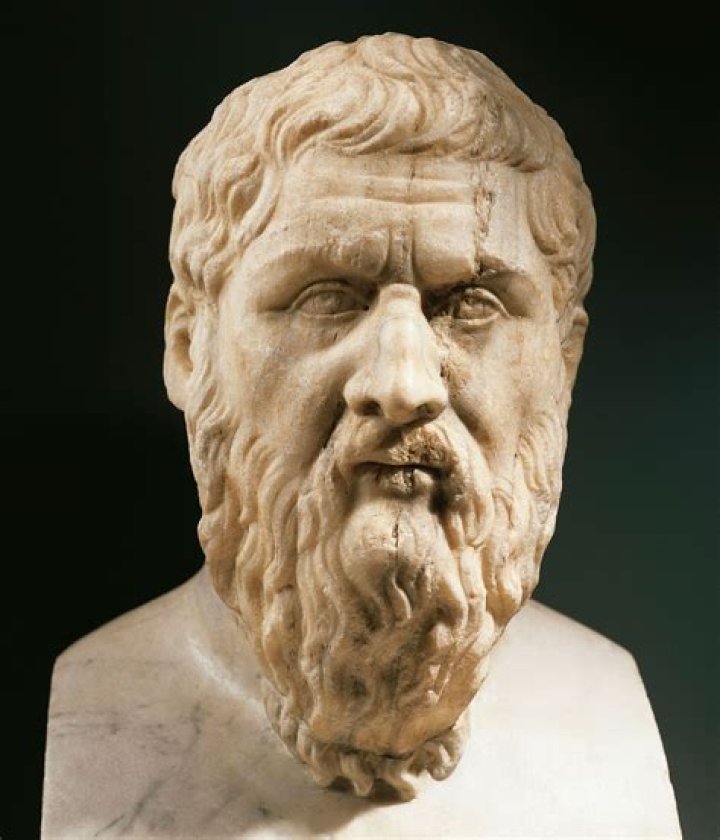
Plato, one of the most influential philosophers in Western thought, has left an indelible mark on the world through his groundbreaking ideas and contributions to philosophy, politics, education, and metaphysics. His works have shaped the way we think about justice, ethics, and the nature of reality. As a student of Socrates and the teacher of Aristotle, Plato's influence spans centuries, inspiring countless generations of thinkers and leaders.
Understanding Plato's accomplishments requires delving into his philosophical works, which include dialogues such as "The Republic," "Symposium," and "Phaedo." Through these writings, Plato explored profound questions about human existence, the ideal state, and the nature of knowledge. His ideas remain relevant today, offering insights into the complexities of human society and the pursuit of wisdom.
This article aims to provide a comprehensive overview of Plato's accomplishments, exploring his contributions to philosophy, education, and the development of Western thought. By examining his life, works, and lasting impact, we can better appreciate the legacy of this remarkable thinker whose ideas continue to shape our world.
Biography of Plato
Plato was born in Athens, Greece, around 427 BCE into a prominent family. His full name was Aristocles, but he earned the nickname "Platon" due to his broad shoulders and athletic build. Plato's family had strong ties to Athenian politics, with his relatives holding positions of power in the government. Despite this, Plato chose a different path, dedicating his life to philosophy and intellectual pursuits.
Key Facts About Plato
| Birth Name | Aristocles |
|---|---|
| Nickname | Platon |
| Birthplace | Athens, Greece |
| Birth Year | c. 427 BCE |
| Death Year | c. 347 BCE |
| Occupation | Philosopher, Educator |
Early Life and Education
Plato's early life was marked by exposure to the intellectual and cultural life of Athens. He received a classical Greek education, studying poetry, music, and gymnastics. However, it was his encounter with Socrates that truly shaped his philosophical journey. Socrates' method of questioning and dialogue left a lasting impression on Plato, inspiring him to pursue a life of philosophical inquiry.
Influence of Socrates
Socrates played a pivotal role in Plato's development as a philosopher. Through Socrates' teachings, Plato learned the importance of critical thinking and the pursuit of truth. Socrates' death in 399 BCE, after being convicted of corrupting the youth and impiety, deeply affected Plato and influenced his later works, particularly "The Apology" and "Crito."
Plato's Major Works
Plato's works consist primarily of dialogues, in which characters engage in philosophical discussions. These dialogues cover a wide range of topics, from ethics and politics to metaphysics and epistemology. Some of his most famous works include:
- The Republic: Explores the nature of justice and the ideal state.
- Phaedo: Discusses the immortality of the soul.
- Symposium: Examines the nature of love and beauty.
- Timaeus: Offers a cosmological account of the creation of the universe.
Philosophical Contributions
Plato's philosophical contributions are vast and varied. His ideas have influenced countless thinkers throughout history, shaping the development of Western philosophy. Among his most significant contributions are:
Theory of Forms
One of Plato's most famous contributions is his Theory of Forms, which posits the existence of abstract, non-physical entities that represent the true essence of things. According to Plato, the material world we perceive is merely a shadow of the true reality, which exists in the realm of Forms. This idea is central to his metaphysical philosophy and has had a profound impact on Western thought.
Political Philosophy
In "The Republic," Plato outlines his vision of the ideal state, governed by philosopher-kings who possess wisdom and virtue. He argues that justice is the cornerstone of a well-ordered society and that individuals should pursue their roles in life based on their natural abilities. Plato's political philosophy has influenced countless thinkers, including Thomas More and John Rawls.
Theory of Forms
Plato's Theory of Forms is one of his most enduring ideas. It suggests that the physical world we experience is merely a reflection of a higher reality, the realm of Forms. In this realm, abstract concepts such as beauty, justice, and goodness exist in their purest form. Plato argues that true knowledge comes from understanding these Forms, rather than relying on sensory experience.
Key Aspects of the Theory of Forms
- The Forms are eternal and unchanging.
- They exist independently of the physical world.
- Human beings can access the Forms through reason and intellectual contemplation.
Political Philosophy
Plato's political philosophy is centered around the idea of the ideal state, as described in "The Republic." He argues that a just society requires wise leadership, with rulers chosen based on their intellectual and moral qualities. Plato's vision of the ideal state has been both praised and criticized throughout history, but it remains a cornerstone of political philosophy.
Key Ideas in Plato's Political Philosophy
- The ideal state is governed by philosopher-kings.
- Justice is achieved when each class in society fulfills its proper role.
- Education is essential for cultivating virtuous citizens.
Educational Philosophy
Plato placed great emphasis on education as a means of achieving personal and societal improvement. He believed that education should focus on cultivating the intellect and moral character, preparing individuals to contribute to the common good. In "The Republic," Plato outlines a comprehensive educational program, emphasizing the importance of mathematics, music, and philosophy.
Key Elements of Plato's Educational Philosophy
- Education should be accessible to all citizens.
- It should focus on developing both intellectual and moral virtues.
- Philosophy is the highest form of knowledge and should be the ultimate goal of education.
Impact on Western Thought
Plato's influence on Western thought cannot be overstated. His ideas have shaped the development of philosophy, politics, and education, inspiring countless thinkers and leaders throughout history. From the Middle Ages to the modern era, Plato's works have been studied and debated, contributing to the ongoing dialogue about the nature of reality, justice, and the good life.
Legacy in Modern Philosophy
Plato's ideas continue to resonate in contemporary philosophy, influencing debates about metaphysics, epistemology, and ethics. His emphasis on the pursuit of truth and the importance of education remains relevant in today's rapidly changing world. By engaging with Plato's works, modern thinkers can gain valuable insights into the enduring questions of human existence.
Plato's Legacy
Plato's legacy extends far beyond his philosophical contributions. He founded the Academy in Athens, one of the earliest institutions of higher learning in the Western world. The Academy served as a center for intellectual inquiry and attracted students from across the Mediterranean, including Aristotle, who would go on to become one of history's greatest philosophers.
Continuing Influence
Today, Plato's ideas continue to inspire and challenge thinkers around the globe. His works remain essential reading for students of philosophy, politics, and education, offering timeless insights into the nature of reality, justice, and the human condition. By studying Plato, we can deepen our understanding of the world and our place within it.
Conclusion
In conclusion, Plato's accomplishments have had a profound impact on the development of Western thought. Through his philosophical works, educational philosophy, and political ideas, Plato has shaped the way we think about justice, ethics, and the nature of reality. His legacy continues to inspire thinkers and leaders, offering valuable insights into the complexities of human society and the pursuit of wisdom.
We invite you to engage with Plato's ideas by exploring his works and reflecting on their relevance to our modern world. Share your thoughts and questions in the comments below, and consider exploring other articles on our site to deepen your understanding of philosophy and its role in shaping our world. Together, we can continue the dialogue that Plato began over two thousand years ago, striving for truth and wisdom in all aspects of life.