Queen Elizabeth II Biography: A Legacy That Shaped History
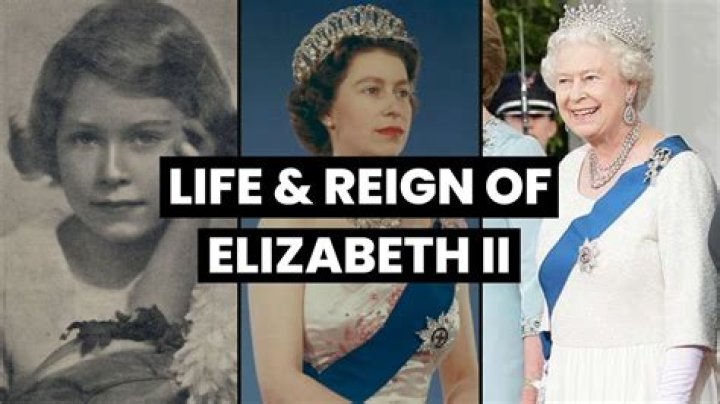
Queen Elizabeth II remains one of the most iconic and influential figures in modern history. As the longest-serving monarch in British history, her life and reign have left an indelible mark on the world. From her early years to her role as a global leader, Queen Elizabeth II's biography is a fascinating journey through time, tradition, and transformation.
Born into royalty, Elizabeth's life was destined to be extraordinary. Her dedication to duty, commitment to her nation, and steadfastness during times of change have made her a symbol of stability and grace. Through her reign, she navigated the complexities of a rapidly evolving world while preserving the essence of the monarchy.
This comprehensive biography delves into the life of Queen Elizabeth II, exploring her early years, her ascension to the throne, her significant contributions, and the enduring legacy she left behind. Whether you are a history enthusiast or simply curious about one of the world's most celebrated monarchs, this article offers an in-depth look at her remarkable life.
Early Life and Education
Elizabeth Alexandra Mary was born on April 21, 1926, in Mayfair, London, to the Duke and Duchess of York, later King George VI and Queen Elizabeth. Her early life was shaped by the traditions of the British monarchy, but it was not initially expected that she would become queen. However, the abdication of her uncle, King Edward VIII, in 1936 thrust her father onto the throne, making Elizabeth the heir presumptive.
Her education was private and focused on preparing her for her future role. Tutored by some of the finest minds of the time, she studied constitutional history, law, and other subjects essential for a future monarch. Her dedication to learning and understanding the complexities of her position became evident from a young age.
Childhood and Formative Years
Elizabeth's childhood was marked by a strong sense of duty and responsibility. She was encouraged to develop a deep understanding of her cultural heritage and the responsibilities that came with it. During World War II, she served in the Auxiliary Territorial Service, further solidifying her commitment to public service.
Ascension to the Throne
On February 6, 1952, Elizabeth ascended to the throne following the death of her father, King George VI. Her coronation took place on June 2, 1953, in Westminster Abbey, marking the beginning of a new era in British history. The ceremony was televised, allowing millions around the world to witness the historic event.
As queen, Elizabeth faced the daunting task of leading a nation through a period of significant change. Her reign would span decades of social, political, and technological transformation, requiring her to adapt while maintaining the traditions of the monarchy.
The Coronation Ceremony
The coronation of Queen Elizabeth II was a grand and symbolic event that underscored the importance of continuity and tradition. It was the first coronation to be broadcast on television, reaching a global audience and cementing her place in the hearts of millions. The ceremony was steeped in centuries-old rituals, highlighting the enduring nature of the monarchy.
Key Contributions During Her Reign
Throughout her reign, Queen Elizabeth II made numerous contributions to the United Kingdom and the Commonwealth. Her dedication to public service and her role as a unifying figure were hallmarks of her leadership. She played a crucial role in fostering relationships between nations and promoting peace and stability.
- Advocacy for the Commonwealth: Queen Elizabeth II was a staunch supporter of the Commonwealth, working tirelessly to strengthen ties between member nations.
- Modernization of the Monarchy: She embraced change, allowing the monarchy to evolve while preserving its core values and traditions.
- Charitable Work: The queen supported numerous charitable organizations, using her influence to raise awareness and funds for important causes.
Impact on the Commonwealth
Queen Elizabeth II's commitment to the Commonwealth was unwavering. She traveled extensively, visiting member nations and promoting cooperation and understanding. Her efforts helped to maintain the relevance and importance of the Commonwealth in a rapidly changing world.
Family Life and Personal Relationships
Queen Elizabeth II's personal life was closely intertwined with her public duties. She married Prince Philip, Duke of Edinburgh, in 1947, and together they had four children: Charles, Anne, Andrew, and Edward. Her family life was often in the public eye, with both joys and challenges shared with the world.
Despite the demands of her role, Elizabeth prioritized her family, ensuring that they remained a source of strength and support throughout her reign.
Marriage and Children
Elizabeth's marriage to Prince Philip was a partnership built on mutual respect and shared values. Together, they navigated the complexities of royal life, raising their children to understand the responsibilities that came with their heritage. Their union was a testament to the importance of family in the life of a monarch.
Challenges Faced During Her Reign
Queen Elizabeth II's reign was not without its challenges. From political upheavals to personal tragedies, she faced numerous tests that required her resilience and leadership. Her ability to navigate these challenges while maintaining the dignity of the monarchy was a testament to her strength and character.
Some of the significant challenges she faced included the decolonization of the British Empire, the modernization of the monarchy, and the public scrutiny of her family's private lives.
Public Scrutiny and Media Relations
As a public figure, Queen Elizabeth II was subject to intense media scrutiny. The rise of tabloid culture and the 24-hour news cycle brought new challenges to her reign. However, she handled these challenges with grace and dignity, focusing on her responsibilities to her nation and the Commonwealth.
Biographical Data
| Full Name | Elizabeth Alexandra Mary |
|---|---|
| Birthdate | April 21, 1926 |
| Place of Birth | Mayfair, London, United Kingdom |
| Spouse | Prince Philip, Duke of Edinburgh |
| Children | Charles, Anne, Andrew, Edward |
| Years of Reign | 1952–2022 |
Legacy and Impact on Modern Monarchy
Queen Elizabeth II's legacy is one of dedication, service, and resilience. Her reign set a new standard for modern monarchy, balancing tradition with the demands of a changing world. Her commitment to her nation and the Commonwealth inspired countless individuals and left an indelible mark on history.
Her influence extended beyond her official duties, as she became a symbol of stability and unity in an increasingly complex world. Her legacy will continue to shape the future of the monarchy and its role in global affairs.
Evolution of the Monarchy Under Queen Elizabeth II
Under Queen Elizabeth II's leadership, the monarchy evolved to meet the needs of a modern society. She embraced change while preserving the traditions that define the institution. Her ability to adapt while maintaining the core values of the monarchy ensured its continued relevance in contemporary times.
Interesting Facts About Queen Elizabeth II
Queen Elizabeth II's life was filled with fascinating facts and anecdotes that highlight her unique position in history. Here are some interesting facts about her:
- She was the first British monarch to celebrate a Platinum Jubilee, marking 70 years on the throne.
- Queen Elizabeth II spoke fluent French and often used the language during official engagements.
- She owned numerous corgis throughout her life, with the breed becoming closely associated with her.
Global Impact and Recognition
Queen Elizabeth II's impact extended far beyond the borders of the United Kingdom. She was respected and admired around the world for her leadership and commitment to global peace and stability. Her role as a unifying figure brought nations together and promoted understanding and cooperation.
Her contributions to international relations and her advocacy for the Commonwealth earned her widespread recognition and respect. She was a true global leader, whose influence will be felt for generations to come.
International Relations and Diplomacy
Queen Elizabeth II's diplomatic skills were instrumental in fostering positive relationships between nations. Her visits and engagements around the world helped to strengthen ties and promote cooperation. Her ability to connect with people from all walks of life was a testament to her extraordinary leadership qualities.
Conclusion and Final Thoughts
Queen Elizabeth II's biography is a testament to her extraordinary life and reign. From her early years to her role as a global leader, she left an indelible mark on history. Her dedication to duty, commitment to her nation, and steadfastness during times of change have made her one of the most respected and admired figures in modern history.
We invite you to share your thoughts and reflections on Queen Elizabeth II's life and legacy in the comments below. For more fascinating insights into history and culture, explore our other articles and resources. Together, let's continue to honor and celebrate the life of this remarkable monarch.