Rastafarian Symbols: A Comprehensive Guide to Their Meaning and Significance
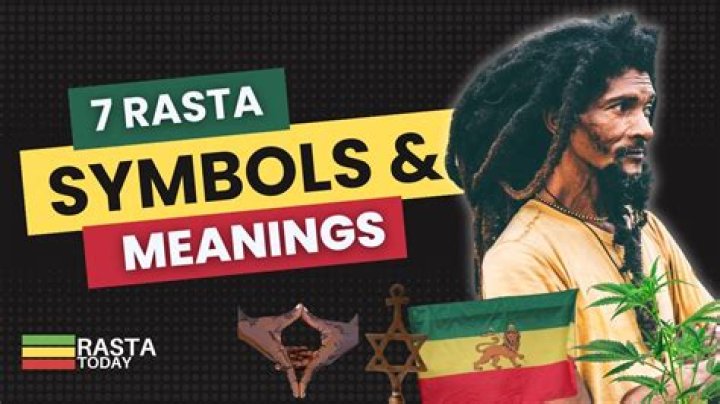
Rastafarian symbols play a crucial role in understanding the Rastafarian movement and its cultural significance. These symbols represent deep spiritual and cultural meanings, connecting the Rastafarian community to their beliefs, values, and history. The Rastafarian movement, which originated in Jamaica in the 1930s, has grown into a global phenomenon, influencing music, art, and spirituality worldwide. Understanding these symbols provides insight into the rich cultural tapestry of the Rastafarian way of life.
Rastafarian symbols go beyond mere visual representation; they are expressions of faith, identity, and resistance. From the colors of the Ethiopian flag to the Lion of Judah, each symbol carries profound meaning that resonates with the Rastafarian philosophy. In this article, we will explore the origins, meanings, and significance of these symbols, offering a deeper understanding of their role in Rastafarian culture.
As we delve into the world of Rastafarian symbols, it is essential to recognize their importance in shaping the identity of the Rastafarian movement. These symbols not only represent the spiritual beliefs of Rastafarians but also serve as a powerful reminder of their historical roots and commitment to social justice. Let us explore the fascinating world of Rastafarian symbols and their enduring influence.
The Origin of Rastafarian Symbols
Rastafarian symbols have deep roots in the historical and cultural context of the Rastafarian movement. Emerging in Jamaica during the 1930s, the movement was inspired by the teachings of Marcus Garvey and the coronation of Haile Selassie I as Emperor of Ethiopia in 1930. The symbols that arose from this movement reflect the spiritual and political aspirations of the Rastafarian community. They serve as a reminder of the struggle for liberation, equality, and self-determination.
Historical Context and Influence
The historical backdrop of the Rastafarian movement is marked by the fight against colonialism and racial oppression. Symbols such as the Lion of Judah and the Ethiopian flag were adopted to symbolize resistance and empowerment. These symbols also emphasize the connection between Rastafarians and the African continent, highlighting their commitment to Pan-Africanism.
The Significance of Colors in Rastafarian Culture
The colors red, gold, and green, often associated with Rastafarian symbols, hold deep significance in the movement. These colors, which are also part of the Ethiopian flag, represent the values and aspirations of the Rastafarian community.
Meaning Behind Each Color
- Red: Represents the blood of those who have fought for freedom and justice.
- Gold: Symbolizes the wealth and prosperity of Africa.
- Green: Represents the lush vegetation and natural beauty of the continent.
The Lion of Judah: A Symbol of Strength and Royalty
The Lion of Judah is one of the most iconic Rastafarian symbols, representing strength, royalty, and divine authority. This symbol is closely linked to Haile Selassie I, who is seen by Rastafarians as the messianic figure prophesied in the Bible.
Spiritual and Historical Significance
Historically, the Lion of Judah is a biblical reference to the tribe of Judah, from which King David descended. For Rastafarians, this symbol represents the divine lineage of Haile Selassie I and his role as a spiritual leader. It also embodies the resilience and courage of the Rastafarian community in the face of adversity.
Dreadlocks: More Than Just Hair
Dreadlocks are a defining feature of Rastafarian identity and hold significant cultural and spiritual meaning. Beyond their visual impact, dreadlocks represent a commitment to natural living and spiritual growth.
Cultural and Spiritual Significance
Rastafarians view dreadlocks as a reflection of their connection to nature and the divine. They reject societal norms that promote artificial beauty standards, choosing instead to embrace their natural hair as a symbol of authenticity and spirituality. This practice is deeply rooted in biblical teachings, particularly the Nazarite vow described in the Book of Numbers.
Ethiopia: The Promised Land
Ethiopia holds a special place in Rastafarian culture, symbolizing the Promised Land and a return to African roots. The country is revered as the birthplace of civilization and the spiritual home of the Rastafarian movement.
Symbolic Importance of Ethiopia
For Rastafarians, Ethiopia represents a return to the origins of humanity and a rejection of the oppression experienced under colonial rule. The country's rich history and cultural heritage resonate deeply with the Rastafarian philosophy of self-determination and empowerment.
Cannabis: A Sacred Herb
Cannabis, often referred to as "the herb" in Rastafarian culture, is considered a sacred plant with spiritual and medicinal properties. Its use is deeply ingrained in Rastafarian rituals and practices.
Religious and Cultural Use
Rastafarians believe that cannabis enhances spiritual awareness and facilitates communication with the divine. It is used during meditative practices and religious ceremonies to promote inner reflection and connection with Jah, the Rastafarian term for God. This practice is supported by biblical references, such as the use of herbs in Psalm 104:14.
Music as a Cultural Symbol
Music plays a vital role in Rastafarian culture, serving as both a form of expression and a tool for social change. Artists like Bob Marley and Peter Tosh have used music to convey Rastafarian messages of peace, love, and justice.
Impact on Global Culture
Rastafarian music, particularly reggae, has had a profound impact on global culture. Through their music, Rastafarian artists have brought attention to issues such as poverty, inequality, and social injustice. This has helped to spread the message of Rastafarianism to audiences around the world.
The Ethiopian Flag: A Symbol of Unity
The Ethiopian flag, with its colors of red, gold, and green, is a powerful symbol of unity and solidarity within the Rastafarian community. It represents the shared values and aspirations of Rastafarians worldwide.
Representation of African Identity
The flag serves as a reminder of the African roots of the Rastafarian movement and the importance of Pan-Africanism. It encourages Rastafarians to unite in their struggle for social justice and equality, transcending geographical and cultural boundaries.
Haile Selassie: The Central Figure
Haile Selassie I, the former Emperor of Ethiopia, is a central figure in Rastafarian culture and is considered by many Rastafarians to be the messianic figure prophesied in the Bible. His coronation in 1930 marked a significant turning point in the development of the Rastafarian movement.
Impact on Rastafarian Beliefs
Haile Selassie's teachings and leadership have had a lasting impact on Rastafarian beliefs and practices. His emphasis on peace, justice, and equality aligns closely with the core values of the Rastafarian movement. Even today, his legacy continues to inspire Rastafarians around the world.
Conclusion: Embracing the Power of Rastafarian Symbols
Rastafarian symbols represent much more than mere visual representations; they embody the spiritual, cultural, and political aspirations of the Rastafarian movement. From the colors of the Ethiopian flag to the Lion of Judah, each symbol carries profound meaning that resonates with the Rastafarian philosophy. By understanding these symbols, we gain insight into the rich cultural heritage of the Rastafarian community and their commitment to social justice and equality.
We invite you to share your thoughts and experiences with Rastafarian symbols in the comments below. Engage with our community by exploring other articles on our website and continuing the conversation about the importance of cultural symbols in shaping our world.