Refugee Olympic Team 2024 Olympics: A Beacon of Hope and Resilience
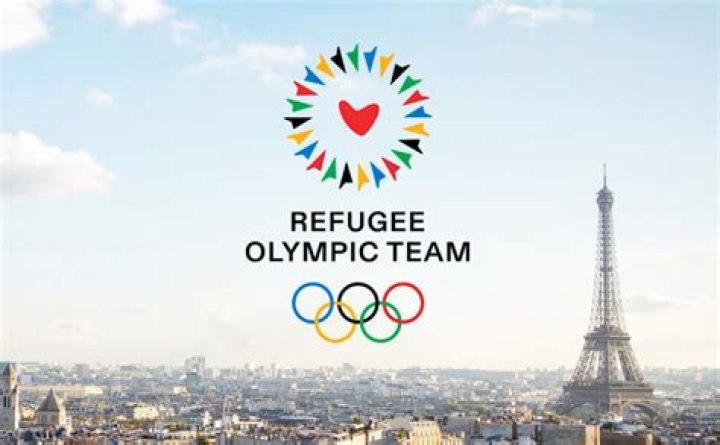
The Refugee Olympic Team 2024 Olympics represents a monumental moment in the history of sports and humanitarian efforts. This team is not just about competing; it is about showcasing the strength and determination of individuals who have overcome immense challenges. As the world anticipates the Paris 2024 Olympics, the Refugee Olympic Team stands as a symbol of hope and unity, reminding us of the power of sport to transcend borders and bring people together.
The Refugee Olympic Team was first introduced during the 2016 Rio Olympics, marking a significant milestone in the Olympic Games. This initiative by the International Olympic Committee (IOC) aims to provide a platform for athletes who have been displaced from their home countries due to conflict or persecution. The team has since grown in size and significance, with the 2024 Paris Olympics set to be its most impactful appearance yet.
As the world grapples with ongoing refugee crises, the Refugee Olympic Team serves as a powerful reminder of the resilience and potential of displaced individuals. Through their participation, these athletes inspire millions around the globe, proving that despite the adversities they face, they can achieve greatness and contribute positively to society. This article delves into the history, significance, and future prospects of the Refugee Olympic Team in the context of the 2024 Olympics.
Table of Contents
- History of the Refugee Olympic Team
- Selection Criteria for Refugee Athletes
- Impact on Global Awareness
- Meet the Refugee Athletes
- Training and Preparation for the 2024 Olympics
- Support Systems for Refugee Athletes
- Challenges Faced by Refugee Athletes
- Future Prospects for Refugee Athletes
- Key Statistics and Data
- Conclusion and Call to Action
History of the Refugee Olympic Team
The concept of a Refugee Olympic Team was first introduced by the International Olympic Committee (IOC) in 2015. The team made its debut during the 2016 Rio Olympics, consisting of ten athletes from various countries affected by conflict and displacement. This initiative aimed to provide a platform for talented athletes who had been forced to flee their homes due to war, persecution, or other humanitarian crises. The team's presence at the Olympics was a powerful statement about the resilience of the human spirit and the universal appeal of sport.
Since its inception, the Refugee Olympic Team has grown in size and influence. The team's success in Rio inspired the IOC to continue supporting displaced athletes, leading to the inclusion of 29 athletes in the 2020 Tokyo Olympics. The team's participation in the 2024 Paris Olympics is expected to be even more significant, with a larger contingent of athletes representing diverse backgrounds and disciplines.
Evolution of the Refugee Olympic Team
The evolution of the Refugee Olympic Team reflects the growing recognition of the importance of including displaced individuals in global sporting events. The team's success has not only raised awareness about the refugee crisis but has also highlighted the potential of these athletes to excel on the world stage. Through partnerships with organizations such as the United Nations High Commissioner for Refugees (UNHCR) and the Olympic Refuge Foundation, the IOC has been able to expand its support for refugee athletes, ensuring they receive the necessary resources and training to compete at the highest level.
Selection Criteria for Refugee Athletes
The selection process for Refugee Olympic Team members is rigorous and involves collaboration between the IOC, UNHCR, and various national Olympic committees. To be eligible, athletes must meet specific criteria, including being officially recognized as refugees by UNHCR or other relevant authorities. They must also demonstrate exceptional athletic ability and potential to compete at the Olympic level.
- Official refugee status recognized by UNHCR or equivalent body
- Proven athletic ability and potential to compete at the Olympic level
- Commitment to representing the Refugee Olympic Team and promoting its mission
Support for Aspiring Refugee Athletes
Beyond the selection process, the IOC and its partners provide comprehensive support for refugee athletes, including access to training facilities, coaching, and financial assistance. This support ensures that these athletes can focus on their training and preparation without worrying about the financial and logistical challenges they may face.
Impact on Global Awareness
The Refugee Olympic Team has had a profound impact on global awareness about the refugee crisis. By showcasing the talents and achievements of displaced individuals, the team has helped to change perceptions and challenge stereotypes about refugees. The team's presence at the Olympics serves as a powerful reminder of the resilience and potential of displaced individuals, inspiring millions around the world.
Through media coverage and public engagement, the Refugee Olympic Team has also raised awareness about the importance of supporting refugees and promoting inclusivity in sports. The team's success has led to increased funding and resources for programs aimed at supporting displaced athletes, ensuring that more individuals have the opportunity to pursue their dreams and compete at the highest level.
Changing Perceptions of Refugees
The Refugee Olympic Team has played a crucial role in changing perceptions of refugees, highlighting their contributions to society and challenging negative stereotypes. By showcasing the achievements of these athletes, the team has helped to foster a more positive and inclusive attitude towards refugees, encouraging greater support and solidarity from the global community.
Meet the Refugee Athletes
The Refugee Olympic Team for the 2024 Paris Olympics will feature a diverse group of athletes from various countries and disciplines. These athletes have overcome significant challenges to reach the Olympic stage, demonstrating remarkable resilience and determination. Below is a brief overview of some of the athletes who may represent the team in Paris:
Biographies of Refugee Athletes
| Name | Country of Origin | Sport | Notable Achievements |
|---|---|---|---|
| Yiech Pur Biel | South Sudan | Athletics (800m) | Competed in Rio 2016 and Tokyo 2020 |
| Popole Misenga | Democratic Republic of Congo | Judo | Competed in Rio 2016 and Tokyo 2020 |
| James Nyang Chiengjiek | South Sudan | Athletics (400m) | Competed in Rio 2016 |
Training and Preparation for the 2024 Olympics
The preparation for the 2024 Paris Olympics involves a comprehensive training program designed to ensure that Refugee Olympic Team members are in peak condition for competition. This program includes access to world-class training facilities, expert coaching, and personalized training plans tailored to each athlete's needs. The IOC and its partners have invested significant resources into ensuring that these athletes receive the support they need to succeed.
Training Facilities and Resources
The Refugee Olympic Team benefits from partnerships with organizations such as the Olympic Refuge Foundation, which provides access to state-of-the-art training facilities and resources. These facilities are designed to simulate the conditions athletes will face during competition, ensuring they are fully prepared for the challenges ahead.
Support Systems for Refugee Athletes
Beyond training and preparation, the Refugee Olympic Team receives comprehensive support in areas such as mental health, education, and career development. This support ensures that athletes can focus on their training while also addressing the challenges they face as displaced individuals. The IOC and its partners have developed programs aimed at providing holistic support for refugee athletes, helping them achieve success both on and off the field.
Comprehensive Support Programs
Support programs for refugee athletes include access to mental health services, educational opportunities, and career development resources. These programs are designed to address the unique challenges faced by displaced individuals, ensuring they have the tools and resources they need to succeed in all aspects of life.
Challenges Faced by Refugee Athletes
Despite the support and resources available, refugee athletes face numerous challenges on their journey to the Olympics. These challenges include overcoming the trauma of displacement, adapting to new environments, and balancing training with other responsibilities. The resilience and determination of these athletes in the face of adversity serve as a testament to their strength and commitment to their sport.
Overcoming Adversity
The challenges faced by refugee athletes highlight the importance of providing comprehensive support systems to help them overcome adversity. By addressing the unique needs of displaced individuals, the IOC and its partners can ensure that these athletes have the opportunity to reach their full potential and make a lasting impact on the world stage.
Future Prospects for Refugee Athletes
The future looks bright for the Refugee Olympic Team, with plans to expand the program and increase support for displaced athletes. The IOC and its partners are committed to ensuring that more individuals have the opportunity to participate in global sporting events, promoting inclusivity and diversity in sports. The success of the Refugee Olympic Team in the 2024 Paris Olympics will undoubtedly inspire future generations of athletes and contribute to a more inclusive and equitable world.
Expanding Opportunities for Refugee Athletes
The expansion of opportunities for refugee athletes will involve increased funding, improved training facilities, and enhanced support systems. By investing in these areas, the IOC and its partners can ensure that more individuals have the chance to compete at the highest level and make a positive impact on their communities.
Key Statistics and Data
Data and statistics play a crucial role in understanding the impact of the Refugee Olympic Team and the challenges faced by displaced individuals. Below are some key statistics related to the team and the global refugee crisis:
- Approximately 26 million refugees worldwide, according to UNHCR
- 29 athletes competed for the Refugee Olympic Team in Tokyo 2020
- Increased funding and resources for refugee athletes since the team's inception
Conclusion and Call to Action
The Refugee Olympic Team 2024 Olympics represents a powerful symbol of hope and resilience, showcasing the strength and determination of individuals who have overcome immense challenges. Through their participation in the Paris 2024 Olympics, these athletes will inspire millions around the world, promoting inclusivity and diversity in sports. The success of the team highlights the importance of supporting displaced individuals and providing them with opportunities to achieve greatness.
We invite you to take action by supporting the Refugee Olympic Team and advocating for greater inclusivity in sports. Share this article with your friends and family, and explore other resources available to learn more about the team and its mission. Together, we can make a difference and help create a more equitable and inclusive world for all.