Reheated Rice Syndrome: Understanding the Risks, Symptoms, and Prevention
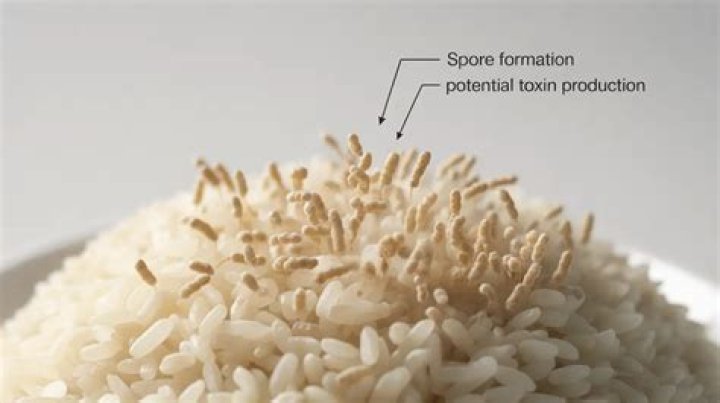
Reheated rice syndrome is a condition that has garnered attention due to its potential health risks. Many people are unaware of the dangers associated with reheating rice improperly. This article aims to shed light on this critical topic, providing you with valuable insights into the causes, symptoms, and preventive measures.
While rice is a staple food in many cultures worldwide, improper handling and reheating can lead to foodborne illnesses. Understanding the science behind reheated rice syndrome is essential for maintaining good health and ensuring food safety.
This article delves into the intricacies of reheated rice syndrome, offering actionable tips and expert advice to help you stay safe. Whether you're a home cook or a professional chef, this information will prove invaluable in your culinary journey.
What is Reheated Rice Syndrome?
Reheated rice syndrome refers to the potential health risks associated with consuming rice that has been improperly stored and reheated. The primary concern arises from the presence of Bacillus cereus, a bacterium that can survive under certain conditions and produce toxins harmful to human health.
When rice is cooked and left at room temperature for extended periods, these bacteria can multiply rapidly. Reheating the rice may not always eliminate the toxins produced by Bacillus cereus, leading to gastrointestinal issues.
Causes of Reheated Rice Syndrome
Improper Storage
One of the main causes of reheated rice syndrome is improper storage. Rice should be cooled quickly after cooking and stored in the refrigerator within one to two hours. Allowing it to sit at room temperature creates an ideal environment for bacterial growth.
- Leaving cooked rice at room temperature for more than two hours.
- Storing rice in large containers that take longer to cool.
Reheating Practices
Reheating rice improperly can also contribute to the syndrome. Simply reheating rice may not destroy the toxins produced by Bacillus cereus, making it crucial to follow proper reheating techniques.
- Reheating rice at insufficient temperatures.
- Failing to reheat rice thoroughly.
Symptoms of Reheated Rice Syndrome
The symptoms of reheated rice syndrome typically manifest within a few hours of consumption. These symptoms are primarily gastrointestinal in nature and can range from mild to severe.
- Diarrhea
- Nausea
- Vomiting
- Abdominal cramps
While most cases resolve on their own, severe cases may require medical attention, especially in vulnerable populations such as children, the elderly, and individuals with compromised immune systems.
Prevention of Reheated Rice Syndrome
Proper Storage Techniques
Preventing reheated rice syndrome begins with proper storage practices. Here are some tips to ensure your rice remains safe to eat:
- Cool cooked rice quickly by spreading it out in a shallow container.
- Refrigerate rice within one to two hours of cooking.
- Store rice in airtight containers to prevent contamination.
Safe Reheating Methods
Reheating rice safely is equally important. Follow these guidelines to minimize the risk of reheated rice syndrome:
- Reheat rice to a temperature of at least 74°C (165°F).
- Stir the rice while reheating to ensure even heat distribution.
- Avoid reheating rice more than once.
Understanding Bacillus Cereus
Bacillus cereus is a spore-forming bacterium commonly found in soil and food products. While most strains are harmless, certain strains produce toxins that can cause food poisoning. These toxins are heat-stable, meaning they can survive even after reheating.
Two primary types of Bacillus cereus toxins are associated with foodborne illnesses:
- Emetic toxin: Causes vomiting and is heat-resistant.
- Diarrheal toxin: Causes diarrhea and is produced during bacterial growth.
Risk Factors and Vulnerable Populations
Certain populations are more susceptible to the effects of reheated rice syndrome. These include:
- Infants and young children
- Elderly individuals
- People with weakened immune systems
- Individuals with pre-existing gastrointestinal conditions
For these groups, even mild cases of foodborne illness can lead to severe complications, making prevention all the more critical.
Myths and Misconceptions
Rice is Always Safe to Reheat
One common misconception is that rice is always safe to reheat. However, as explained earlier, improper storage and reheating can lead to the production of harmful toxins. Educating yourself about the risks is the first step in preventing reheated rice syndrome.
Only Undercooked Rice Causes Problems
Another myth is that only undercooked rice poses a risk. In reality, properly cooked rice can still harbor bacteria if not stored and reheated correctly. Always follow food safety guidelines to ensure your meals remain safe and enjoyable.
Expert Advice and Recommendations
Experts in food safety recommend adopting a proactive approach to prevent reheated rice syndrome. Here are some additional tips:
- Plan meals carefully to minimize leftovers.
- Label stored rice with the date and time it was cooked.
- Dispose of rice that has been left at room temperature for more than two hours.
By following these recommendations, you can significantly reduce the risk of foodborne illness associated with reheated rice.
Reheated Rice Syndrome and Global Health
Reheated rice syndrome is not limited to any specific region or culture. As rice is a staple food for billions of people worldwide, understanding its potential risks is essential for global health. According to the World Health Organization (WHO), foodborne illnesses affect millions annually, underscoring the importance of proper food handling practices.
Conclusion
Reheated rice syndrome is a preventable condition that can have serious health implications if not addressed properly. By understanding the causes, symptoms, and preventive measures, you can protect yourself and your loved ones from this potential threat.
We encourage you to share this article with others and spread awareness about food safety. Your feedback and questions are always welcome in the comments section below. Additionally, explore our other articles for more valuable insights into maintaining a healthy lifestyle.