Service Employees International Union: Advocating for Worker Rights in the Modern Era
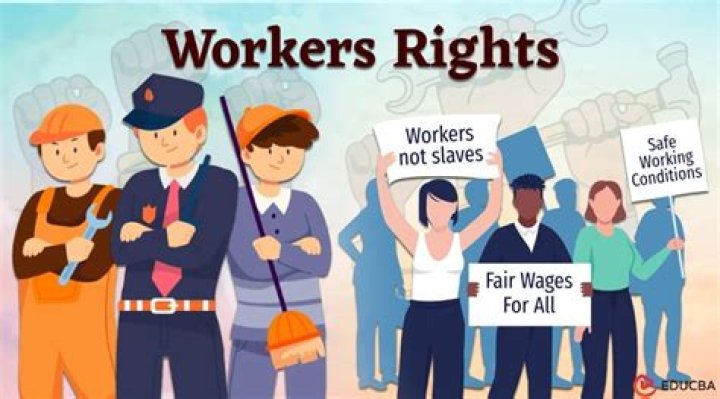
Service Employees International Union (SEIU) is one of the largest and fastest-growing labor unions in North America, representing over 2 million workers across various industries. Founded in 1921, this union has played a pivotal role in advocating for the rights and welfare of workers in healthcare, property services, public services, and more. This article dives deep into the history, structure, achievements, and challenges faced by SEIU, providing valuable insights for anyone interested in labor rights and union movements.
As the world of work evolves, unions like SEIU are increasingly important in ensuring fair treatment, safe working conditions, and economic justice for workers. From organizing campaigns to legislative advocacy, SEIU has consistently fought for the dignity and respect of workers across diverse sectors.
This comprehensive guide explores the mission, history, and impact of SEIU, while also highlighting its role in shaping the future of labor relations. Whether you're a worker, researcher, or simply interested in labor rights, this article provides a detailed understanding of SEIU's contributions to the labor movement.
History and Formation of SEIU
Origins and Early Years
The Service Employees International Union traces its roots back to 1921 when it was founded as the Building Service Employees International Union (BSEIU). Initially, it focused on organizing janitors, elevator operators, and other building service workers in Chicago. Over the decades, SEIU expanded its reach and membership, adapting to the changing needs of workers in various industries.
By the 1960s, SEIU had become a major player in the labor movement, advocating for workers' rights in healthcare, public services, and property services. The union's growth was fueled by its commitment to organizing workers in sectors that were often overlooked by other unions.
Growth and Expansion
SEIU's growth accelerated in the late 20th century, with significant expansions into healthcare and public services. The union's ability to organize workers in non-traditional sectors set it apart from other labor unions. Today, SEIU represents workers in hospitals, nursing homes, childcare centers, and government agencies, among others.
According to the Bureau of Labor Statistics, unions like SEIU have played a crucial role in improving wages, benefits, and working conditions for millions of workers across the United States.
Mission and Vision of SEIU
The mission of SEIU is to improve the lives of workers and their families by advocating for fair wages, safe working conditions, and economic justice. The union envisions a world where all workers are treated with dignity and respect, regardless of their background or occupation.
SEIU's vision extends beyond traditional labor issues, addressing broader social and economic challenges such as healthcare access, education, and racial equality. By aligning with progressive movements, SEIU aims to create a more just and equitable society for all.
Organizational Structure of SEIU
Leadership and Governance
SEIU is governed by an elected international executive board, which sets the union's policies and priorities. The board is supported by regional and local leadership structures that ensure effective representation and decision-making at all levels.
The union's leadership is committed to transparency and accountability, regularly engaging with members through meetings, surveys, and other forms of communication. This participatory approach ensures that the voices of workers are heard and acted upon.
Local and National Operations
SEIU operates through a network of local unions and chapters, each focusing on the specific needs and challenges of workers in their respective regions. These local entities work closely with the national office to coordinate campaigns, negotiate contracts, and provide support to members.
This decentralized structure allows SEIU to respond quickly and effectively to issues affecting its members, while maintaining a unified vision and strategy at the national level.
Member Representation and Diversity
Diverse Membership Base
SEIU represents a diverse membership base, including healthcare workers, janitors, security officers, child care providers, and public employees. This diversity reflects the union's commitment to inclusivity and equity, ensuring that all workers have a voice in the labor movement.
According to SEIU's official statistics, over 60% of its members are women, and a significant proportion are people of color. This demographic diversity strengthens the union's ability to address the unique challenges faced by different groups of workers.
Member Benefits and Support
SEIU offers a range of benefits and support services to its members, including legal assistance, training programs, and access to healthcare and retirement plans. The union also provides resources for leadership development, empowering members to take on active roles within the organization.
Through its member-driven initiatives, SEIU fosters a sense of community and solidarity among its members, encouraging them to participate in union activities and decision-making processes.
Major Achievements of SEIU
SEIU has achieved numerous milestones in its quest to improve the lives of workers. Some of its most notable accomplishments include:
- Securing living wages and benefits for thousands of healthcare workers through successful organizing campaigns.
- Advocating for the passage of landmark legislation such as the Affordable Care Act, which expanded access to healthcare for millions of Americans.
- Leading the "Fight for $15" campaign, which has resulted in minimum wage increases in several states and cities.
- Improving working conditions and safety standards for workers in various industries through collective bargaining agreements.
These achievements demonstrate SEIU's effectiveness in achieving tangible results for its members and the broader labor movement.
Key Campaigns and Initiatives
Fight for $15
One of SEIU's most prominent campaigns is the "Fight for $15," which seeks to raise the minimum wage to $15 per hour for workers across the United States. This campaign has gained widespread support from workers, activists, and policymakers, resulting in significant wage increases in several jurisdictions.
According to a report by the Economic Policy Institute, raising the minimum wage to $15 would benefit over 32 million workers nationwide, reducing poverty and boosting the economy.
Healthcare Access and Equity
SEIU has been at the forefront of efforts to expand healthcare access and promote health equity. Through its advocacy and organizing efforts, the union has successfully secured better healthcare benefits for millions of workers and their families.
In addition to campaigning for policy changes, SEIU provides education and resources to help workers navigate the healthcare system and access the care they need.
Challenges Faced by SEIU
Political and Economic Challenges
SEIU faces numerous challenges in its mission to improve workers' lives, including political opposition, economic uncertainty, and anti-union sentiment. These challenges are compounded by the ongoing transformation of the labor market, with the rise of gig economy jobs and automation threatening traditional employment models.
Despite these challenges, SEIU remains committed to its mission, adapting its strategies and tactics to meet the evolving needs of workers in the 21st century.
Internal Challenges
Like any large organization, SEIU faces internal challenges related to governance, membership engagement, and resource allocation. The union has taken steps to address these issues by implementing reforms, increasing transparency, and enhancing member participation in decision-making processes.
By prioritizing member input and feedback, SEIU continues to strengthen its organizational structure and effectiveness.
The Future of SEIU
Looking ahead, SEIU is poised to play a critical role in shaping the future of labor relations in the United States. As the labor market continues to evolve, the union is committed to adapting its strategies and tactics to meet the changing needs of workers.
SEIU's focus on innovation, inclusivity, and collaboration positions it well to address the challenges of the future, ensuring that all workers have the opportunity to thrive in a rapidly changing world.
Impact on Labor Movement
SEIU's impact on the labor movement extends beyond its achievements and campaigns. By championing the rights and welfare of workers, the union has inspired countless others to join the fight for economic justice and social equity.
Through its partnerships with other labor organizations, community groups, and progressive movements, SEIU has helped build a powerful coalition for change, advocating for policies and practices that benefit workers and their families.
Conclusion and Call to Action
In conclusion, the Service Employees International Union has been a driving force in the labor movement, advocating for the rights and welfare of workers across diverse sectors. From its humble beginnings in 1921 to its current status as one of the largest labor unions in North America, SEIU has consistently demonstrated its commitment to improving the lives of workers and their families.
We invite you to take action by supporting SEIU's mission and joining the fight for economic justice and social equity. Whether through membership, advocacy, or simply staying informed, your involvement can make a difference in the lives of workers everywhere. Share this article with others, leave a comment, and explore more resources on labor rights and union movements to deepen your understanding and engagement.