Should You Pop a Fever Blister on Lip? Comprehensive Guide and Expert Insights
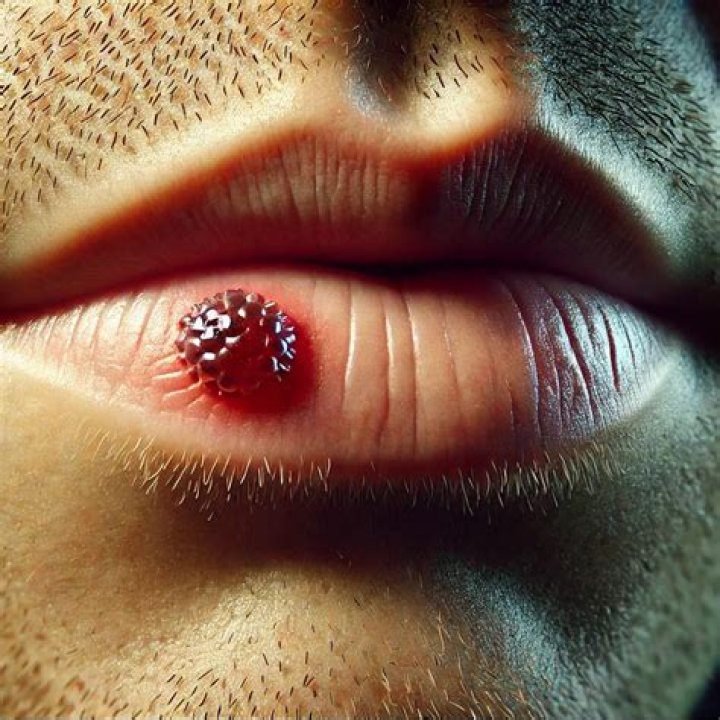
Fever blisters, also known as cold sores, are a common concern for many individuals. If you're wondering whether you should pop a fever blister on your lip, this article will provide the answers you need. Understanding the nature of these blisters is crucial before taking any action.
Many people mistakenly believe that popping a fever blister will speed up the healing process. However, this practice can lead to complications, including infection and scarring. In this guide, we'll explore the causes, symptoms, and treatments for fever blisters, as well as why popping them is not recommended.
By the end of this article, you'll have a clear understanding of how to manage fever blisters effectively and prevent future outbreaks. Let's dive into the details and uncover the best practices for dealing with this common condition.
What Are Fever Blisters?
Fever blisters, commonly referred to as cold sores, are small, fluid-filled lesions that typically appear on or around the lips. They are caused by the herpes simplex virus (HSV), which is highly contagious. There are two types of HSV: HSV-1 and HSV-2. While HSV-1 is the primary cause of fever blisters, HSV-2 can also lead to outbreaks, although it is more commonly associated with genital herpes.
How Fever Blisters Develop
Once a person is infected with HSV, the virus remains dormant in the body. Certain triggers, such as stress, illness, or exposure to sunlight, can cause the virus to reactivate, leading to the development of fever blisters. These blisters usually go through several stages, starting with tingling or itching, followed by the formation of blisters, which eventually burst and form a crust before healing completely.
Impact on Daily Life
Fever blisters can be uncomfortable and may affect a person's self-esteem. They are often associated with social stigma, which can lead to anxiety and embarrassment. Understanding the nature of these blisters and how to manage them can help individuals cope with outbreaks more effectively.
Causes of Fever Blisters
The primary cause of fever blisters is the herpes simplex virus (HSV). Once a person is infected, the virus remains in the body for life. Various factors can trigger an outbreak, including:
- Stress
- Illness or weakened immune system
- Exposure to sunlight or cold weather
- Hormonal changes
- Trauma to the lips or mouth
How HSV Spreads
HSV is highly contagious and can spread through direct contact, such as kissing or sharing utensils, towels, or razors with an infected person. It is important to avoid touching the blisters and washing your hands thoroughly if you do come into contact with them to prevent spreading the virus to others or other parts of your body.
Symptoms of Fever Blisters
Before a fever blister appears, individuals may experience warning signs, such as:
- Tingling or itching around the lips
- Soreness or burning sensation
Once the blister forms, it may be accompanied by:
- Pain or discomfort
- Swelling or redness
- Fluid-filled lesions
Duration of Symptoms
Fever blisters typically last 7 to 10 days, although the healing time can vary depending on the severity of the outbreak and the individual's immune system. During this time, it is important to avoid touching the blisters and practicing good hygiene to prevent complications.
Treatment Options for Fever Blisters
There are several treatment options available for managing fever blisters, including over-the-counter medications, prescription drugs, and home remedies. While there is no cure for HSV, these treatments can help alleviate symptoms and reduce the duration of outbreaks.
Over-the-Counter Treatments
Topical creams and ointments containing antiviral ingredients, such as docosanol or benzocaine, can provide relief from pain and discomfort. Applying these treatments at the first sign of an outbreak can help minimize the severity of symptoms.
Prescription Medications
For severe or frequent outbreaks, a healthcare provider may prescribe antiviral medications, such as acyclovir, valacyclovir, or famciclovir. These medications can shorten the duration of outbreaks and reduce the frequency of future episodes. It is important to follow your doctor's instructions when taking these medications.
Why You Shouldn't Pop a Fever Blister
While it may be tempting to pop a fever blister, this practice is not recommended. Popping a blister can increase the risk of infection, delay healing, and lead to scarring. The fluid inside the blister contains the herpes simplex virus, which can spread to other parts of the body or to others if not handled properly.
Risks of Popping a Fever Blister
Popping a fever blister can result in:
- Infection
- Increased pain and discomfort
- Delayed healing
- Scarring
Instead of popping the blister, it is best to let it heal naturally. Applying a cold compress or using over-the-counter treatments can help alleviate symptoms while allowing the blister to heal without interference.
Home Remedies for Fever Blisters
In addition to medical treatments, there are several home remedies that can help manage fever blisters:
- Applying a cold compress to reduce swelling and pain
- Using aloe vera gel to soothe irritation
- Taking lysine supplements to support healing
- Practicing good oral hygiene to prevent infection
Effectiveness of Home Remedies
While home remedies can provide relief, they may not be as effective as antiviral medications for severe outbreaks. It is important to consult a healthcare provider if symptoms persist or worsen over time.
Preventing Fever Blisters
Preventing fever blisters involves avoiding triggers and practicing good hygiene. Some preventive measures include:
- Avoiding close contact with individuals who have active outbreaks
- Using sunscreen on the lips to protect against UV exposure
- Maintaining a healthy immune system through proper nutrition and exercise
- Managing stress through relaxation techniques
Importance of Hygiene
Washing your hands regularly and avoiding touching your face can help prevent the spread of HSV. It is also important to avoid sharing personal items, such as utensils or towels, with others to reduce the risk of infection.
Long-Term Management Strategies
For individuals who experience frequent outbreaks, long-term management strategies may be necessary. These strategies can include:
- Taking antiviral medications as prescribed by a healthcare provider
- Identifying and avoiding triggers that lead to outbreaks
- Practicing stress management techniques
- Boosting the immune system through a healthy lifestyle
Working with a Healthcare Provider
Regular check-ups with a healthcare provider can help monitor the condition and adjust treatment plans as needed. A provider can also offer guidance on managing outbreaks and preventing complications.
Frequently Asked Questions
1. Can fever blisters be cured?
Currently, there is no cure for HSV. However, antiviral medications and other treatments can help manage symptoms and reduce the frequency of outbreaks.
2. Are fever blisters contagious?
Yes, fever blisters are highly contagious. The virus can spread through direct contact or sharing personal items with an infected person.
3. How long do fever blisters last?
Fever blisters typically last 7 to 10 days, although the healing time can vary depending on the severity of the outbreak and the individual's immune system.
Conclusion
Fever blisters, or cold sores, are a common condition caused by the herpes simplex virus. While it may be tempting to pop a fever blister, this practice can lead to complications, including infection and scarring. Instead, it is best to let the blister heal naturally while managing symptoms through medical treatments and home remedies.
To prevent future outbreaks, it is important to avoid triggers, practice good hygiene, and maintain a healthy immune system. If you experience frequent or severe outbreaks, consult a healthcare provider for guidance on long-term management strategies.
We encourage you to share this article with others who may benefit from the information. If you have any questions or comments, feel free to leave them below. Stay informed and take control of your health!