The Center for Autism and Related Disorders: A Comprehensive Guide to Understanding and Supporting Individuals with Autism
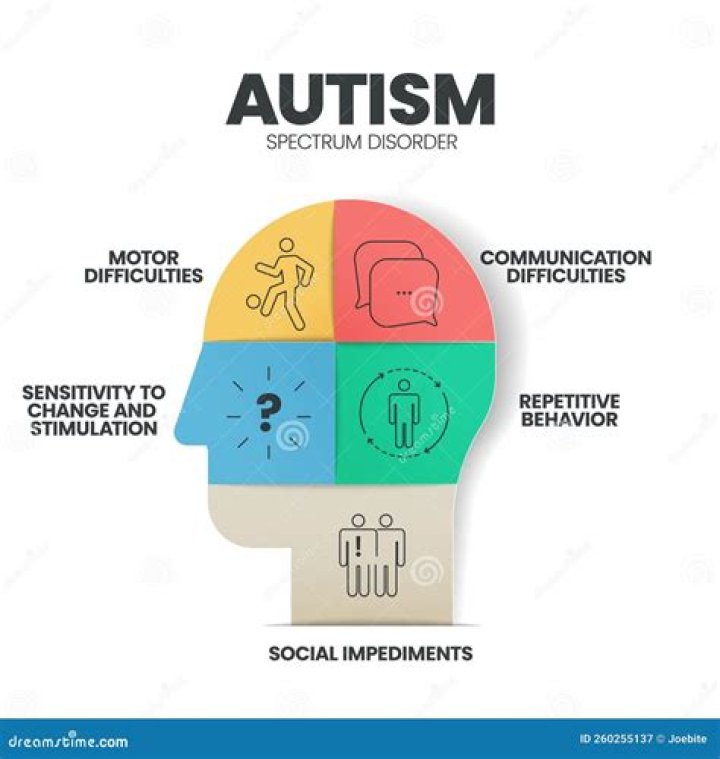
Autism is a complex neurodevelopmental condition that affects millions of individuals worldwide. The Center for Autism and Related Disorders (CARD) has emerged as a leading organization dedicated to providing support, resources, and evidence-based interventions for individuals with autism and their families. With a mission to improve the quality of life for those affected by autism, CARD plays a vital role in shaping the future of autism care and research.
Autism spectrum disorder (ASD) is characterized by challenges in social interaction, communication, and repetitive behaviors. It affects individuals differently, and early intervention is crucial in helping them reach their full potential. The Center for Autism and Related Disorders has been at the forefront of addressing these challenges, offering tailored solutions that cater to the unique needs of individuals with autism.
In this article, we will delve into the work of CARD, exploring its mission, programs, and contributions to the field of autism research. By understanding the resources and support available through CARD, we can better equip ourselves to support individuals with autism and promote inclusivity in our communities.
Introduction to The Center for Autism and Related Disorders
The Center for Autism and Related Disorders (CARD) is a renowned organization that specializes in providing comprehensive services for individuals with autism spectrum disorder (ASD). Established in 1990, CARD has grown into one of the largest providers of Applied Behavior Analysis (ABA) therapy in the world. Its mission is to help individuals with autism achieve their highest potential through evidence-based interventions and compassionate care.
CARD operates in multiple locations across the United States and internationally, offering a wide range of services tailored to the needs of individuals with autism and their families. These services include early intervention programs, school-based support, parent training, and community outreach initiatives. CARD's commitment to excellence has earned it recognition as a leader in the field of autism care.
History of CARD
The Center for Autism and Related Disorders was founded by Dr. Doreen Granpeesheh, a pioneer in the field of autism research and treatment. Driven by her passion for helping individuals with autism, Dr. Granpeesheh established CARD to provide high-quality, accessible services to families in need. Over the years, CARD has expanded its reach and influence, becoming a trusted resource for autism-related services worldwide.
Mission and Vision of CARD
The mission of The Center for Autism and Related Disorders is to improve the lives of individuals with autism and their families through evidence-based interventions, education, and advocacy. CARD aims to create a world where individuals with autism can thrive and contribute meaningfully to their communities.
CARD's vision is rooted in the belief that every individual with autism deserves access to the resources and support necessary to achieve their full potential. By promoting awareness, fostering collaboration, and advancing research, CARD strives to make a lasting impact on the autism community.
Core Values
- Compassion: Providing care and support with empathy and understanding.
- Integrity: Upholding ethical standards in all aspects of service delivery.
- Innovation: Advancing the field of autism care through research and technology.
- Inclusivity: Embracing diversity and promoting equality for all individuals with autism.
Programs and Services Offered by CARD
CARD offers a wide array of programs and services designed to meet the unique needs of individuals with autism. These services are delivered by highly trained professionals who specialize in Applied Behavior Analysis (ABA) therapy and other evidence-based interventions.
Key Programs
- Early Intervention Programs: Focused on supporting young children with autism during their critical developmental years.
- School-Based Services: Providing support to students with autism in educational settings to enhance learning outcomes.
- Parent Training: Empowering parents with the skills and knowledge needed to support their child's development.
- Community Outreach: Offering workshops, seminars, and resources to promote awareness and understanding of autism.
Applied Behavior Analysis (ABA) Therapy
Applied Behavior Analysis (ABA) therapy is a cornerstone of CARD's approach to autism treatment. ABA is an evidence-based practice that focuses on improving specific behaviors, such as communication, social skills, and self-care, through positive reinforcement and structured learning.
CARD's ABA therapy programs are tailored to the individual needs of each client, ensuring that they receive personalized support. Therapists work closely with families to develop goals and strategies that align with the client's unique strengths and challenges.
Benefits of ABA Therapy
- Improves communication and social interaction skills.
- Reduces challenging behaviors and promotes positive behaviors.
- Enhances independence and self-care abilities.
- Supports academic and vocational success.
Research and Innovation in Autism Care
The Center for Autism and Related Disorders is committed to advancing the field of autism research through innovative studies and collaborations. CARD partners with leading researchers, universities, and organizations to explore new treatments, technologies, and interventions that can improve outcomes for individuals with autism.
Recent research initiatives at CARD have focused on topics such as the effectiveness of ABA therapy, the role of technology in autism care, and the impact of early intervention on long-term outcomes. These studies contribute to a growing body of knowledge that informs best practices in autism treatment.
Collaborative Research Projects
- Partnerships with universities to conduct large-scale studies on autism interventions.
- Development of cutting-edge technologies to enhance ABA therapy delivery.
- Exploration of biomarkers and genetic factors associated with autism.
Community Outreach and Support
CARD recognizes the importance of community engagement in promoting awareness and understanding of autism. Through its community outreach programs, CARD provides resources, education, and support to families, educators, and professionals working with individuals with autism.
These programs include workshops, seminars, and training sessions that cover a wide range of topics related to autism care and advocacy. CARD also collaborates with local organizations to organize events and initiatives that foster inclusivity and acceptance within the community.
Community Engagement Initiatives
- Autism Awareness Month events and activities.
- Parent support groups and networking opportunities.
- Professional development workshops for educators and therapists.
Partnerships and Collaborations
CARD's success is built on strong partnerships with organizations, institutions, and individuals who share its commitment to improving the lives of individuals with autism. These collaborations enable CARD to expand its reach, enhance its services, and drive innovation in the field of autism care.
Some of CARD's key partners include:
Notable Collaborations
- Universities and research institutions conducting autism studies.
- Non-profit organizations advocating for autism rights and resources.
- Government agencies supporting autism programs and initiatives.
Challenges in Autism Care
Despite significant advancements in autism research and treatment, several challenges remain in providing comprehensive care for individuals with autism. These challenges include limited access to services, disparities in diagnosis and treatment, and a lack of funding for autism-related programs.
CARD addresses these challenges by advocating for policy changes, increasing awareness of autism-related issues, and expanding its services to underserved populations. By working collaboratively with stakeholders, CARD aims to overcome these barriers and ensure that all individuals with autism have access to the resources they need.
Addressing Disparities in Autism Care
- Expanding services to rural and low-income communities.
- Providing culturally sensitive resources and support.
- Advocating for inclusive policies and funding initiatives.
Future Directions for CARD
The future of The Center for Autism and Related Disorders is bright, with numerous opportunities for growth and innovation. CARD plans to continue expanding its services, enhancing its research initiatives, and strengthening its partnerships to better serve the autism community.
Key priorities for CARD's future include:
Strategic Goals
- Increasing access to autism services globally.
- Advancing technology-driven solutions for autism care.
- Promoting inclusivity and acceptance in all aspects of society.
Conclusion and Call to Action
In conclusion, The Center for Autism and Related Disorders plays a vital role in transforming the lives of individuals with autism and their families. Through its comprehensive services, innovative research, and community engagement initiatives, CARD continues to lead the way in autism care and advocacy.
We encourage readers to take action by supporting CARD's mission and getting involved in autism-related initiatives in their communities. Whether through volunteering, donating, or spreading awareness, every effort contributes to creating a more inclusive and supportive world for individuals with autism.
Share this article with others to help raise awareness about the important work being done by The Center for Autism and Related Disorders. Together, we can make a difference in the lives of individuals with autism and promote a brighter future for all.