The Crucial Role of the Secretary of Transportation: Shaping the Future of Mobility
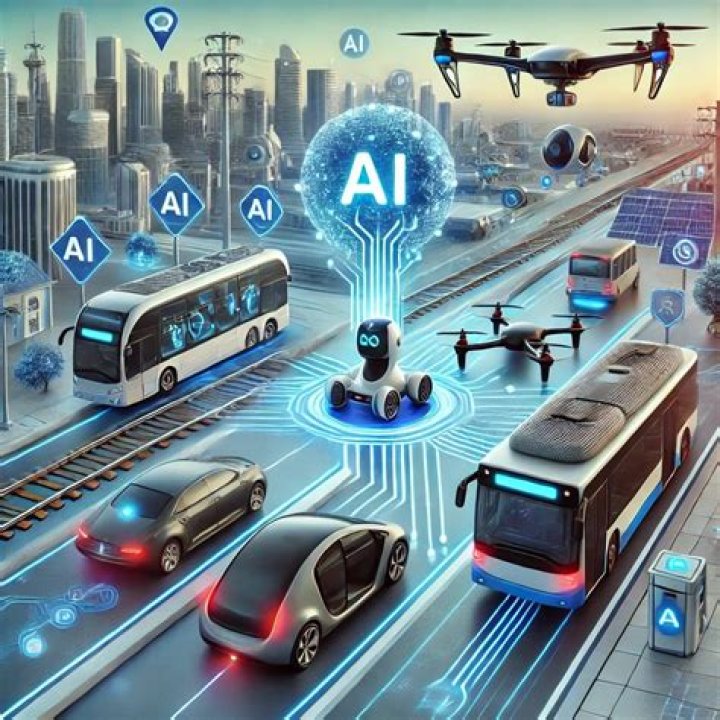
Transportation is the backbone of modern society, and the role of the Secretary of Transportation plays a pivotal role in shaping the nation's infrastructure, economic growth, and public safety. As a key cabinet position, the Secretary of Transportation is responsible for overseeing policies, regulations, and initiatives that influence how people and goods move across the country. In this article, we will explore the multifaceted responsibilities of this crucial position and its impact on everyday lives.
From ensuring safe and efficient travel to fostering innovation in transportation technology, the Secretary of Transportation serves as a critical link between the government, industries, and the public. By addressing challenges such as traffic congestion, environmental concerns, and infrastructure development, the Secretary works to create a sustainable and forward-thinking transportation system.
This article delves into the various aspects of the Secretary of Transportation's role, including policy-making, regulatory oversight, and collaboration with stakeholders. We will also examine how this position aligns with broader national goals, such as reducing carbon emissions, enhancing accessibility, and improving safety standards. Let's explore the essential responsibilities and impact of the Secretary of Transportation in detail.
Overview of the Secretary of Transportation
Key Responsibilities of the Position
The Secretary of Transportation is a high-ranking official within the federal government, responsible for leading the Department of Transportation (DOT). This position involves overseeing a wide range of transportation-related activities, including aviation, highways, railways, maritime operations, and public transit. The Secretary works closely with federal agencies, state and local governments, and private sector partners to ensure a cohesive and effective transportation network.
Some of the key responsibilities of the Secretary of Transportation include:
- Developing national transportation policies and strategies.
- Ensuring compliance with safety regulations and standards.
- Allocating funds for infrastructure projects and maintenance.
- Addressing emerging transportation challenges and opportunities.
Policy-Making and Strategic Planning
The Secretary of Transportation plays a central role in crafting transportation policies that align with national priorities. This involves conducting research, analyzing data, and consulting with experts to develop strategies that address current and future needs. By setting clear objectives and benchmarks, the Secretary ensures that transportation initiatives are both effective and sustainable.
Long-Term Strategic Vision
A key aspect of policy-making is developing a long-term vision for the nation's transportation system. This includes planning for population growth, urbanization, and technological advancements. For instance, the Secretary may prioritize investments in smart cities or autonomous vehicle infrastructure to prepare for the future of mobility.
Regulatory Oversight and Compliance
One of the most critical responsibilities of the Secretary of Transportation is ensuring compliance with regulations and standards. This involves overseeing various agencies within the DOT, such as the Federal Aviation Administration (FAA), Federal Highway Administration (FHWA), and Federal Railroad Administration (FRA). By enforcing regulations, the Secretary helps maintain safety, efficiency, and reliability across all modes of transportation.
Key Regulatory Agencies
The Secretary works closely with several regulatory agencies to implement and enforce transportation laws. These include:
- Federal Aviation Administration (FAA)
- Federal Highway Administration (FHWA)
- Federal Railroad Administration (FRA)
- National Highway Traffic Safety Administration (NHTSA)
Infrastructure Development and Modernization
Infrastructure development is a cornerstone of the Secretary of Transportation's role. This involves investing in the construction and maintenance of roads, bridges, airports, seaports, and transit systems. By modernizing infrastructure, the Secretary ensures that transportation networks remain resilient and capable of meeting the demands of a growing population.
Challenges and Opportunities
One of the biggest challenges in infrastructure development is balancing short-term needs with long-term sustainability. The Secretary must consider factors such as climate change, urban sprawl, and technological innovation when planning infrastructure projects. Opportunities for modernization include incorporating smart technologies, renewable energy sources, and data-driven solutions into transportation systems.
Ensuring Public Safety and Security
Safety is a top priority for the Secretary of Transportation. This involves implementing measures to reduce accidents, fatalities, and injuries across all modes of transportation. By promoting safety education, enforcing regulations, and investing in safety technologies, the Secretary works to create a safer and more secure transportation environment for everyone.
Initiatives for Enhanced Safety
Some of the key initiatives led by the Secretary of Transportation include:
- Implementing advanced driver-assistance systems (ADAS) in vehicles.
- Enhancing cybersecurity measures for transportation networks.
- Increasing public awareness of safety protocols and practices.
Environmental Considerations and Sustainability
The transportation sector is a significant contributor to greenhouse gas emissions, making environmental considerations a critical focus for the Secretary of Transportation. By promoting sustainable practices and technologies, the Secretary works to reduce the environmental impact of transportation while supporting economic growth and energy independence.
Strategies for Sustainability
Some strategies employed by the Secretary of Transportation to promote sustainability include:
- Encouraging the adoption of electric and hybrid vehicles.
- Investing in renewable energy sources for transportation infrastructure.
- Promoting public transit and non-motorized transportation options.
Advancing Transportation Technology
Technology is transforming the transportation landscape, and the Secretary of Transportation plays a vital role in fostering innovation. This involves supporting research and development, partnering with private sector innovators, and implementing cutting-edge technologies in transportation systems. By embracing new technologies, the Secretary helps create a more efficient, safe, and sustainable transportation network.
Innovative Technologies in Transportation
Some of the most promising technologies in transportation include:
- Autonomous vehicles
- Artificial intelligence and machine learning
- Smart infrastructure and IoT devices
Collaboration with Stakeholders
Effective collaboration is essential for the success of transportation initiatives. The Secretary of Transportation works closely with a wide range of stakeholders, including federal agencies, state and local governments, private sector partners, and community organizations. By fostering partnerships and encouraging dialogue, the Secretary ensures that transportation policies and projects reflect the needs and priorities of all stakeholders.
Building Partnerships
Some of the key stakeholders involved in transportation initiatives include:
- State and local transportation departments
- Private sector companies and industry groups
- Community organizations and advocacy groups
Managing the Transportation Budget
The Secretary of Transportation is responsible for managing a significant portion of the federal budget allocated to transportation. This involves prioritizing projects, allocating funds, and ensuring that resources are used efficiently and effectively. By making data-driven decisions and leveraging public-private partnerships, the Secretary maximizes the impact of transportation investments.
Key Budget Priorities
Some of the key priorities for transportation funding include:
- Infrastructure maintenance and modernization
- Public transit expansion and improvement
- Research and development of new technologies
The Future of Transportation Leadership
As the transportation landscape continues to evolve, the role of the Secretary of Transportation will become increasingly important. By addressing emerging challenges and seizing opportunities for innovation, the Secretary can shape the future of mobility in ways that benefit society as a whole. Whether it's reducing congestion, improving safety, or promoting sustainability, the Secretary's leadership will play a crucial role in creating a better transportation system for generations to come.
Looking Ahead
Some of the key trends and challenges that the Secretary of Transportation will face in the future include:
- Advancements in autonomous and electric vehicles
- Growing concerns about climate change and environmental impact
- Increasing demand for public transit and alternative transportation options
Kesimpulan
The role of the Secretary of Transportation is vital to the functioning and advancement of the nation's transportation system. Through policy-making, regulatory oversight, infrastructure development, and collaboration with stakeholders, the Secretary ensures that transportation networks remain safe, efficient, and sustainable. As we look to the future, the Secretary's leadership will be crucial in addressing emerging challenges and embracing new opportunities in the transportation sector.
We encourage readers to share their thoughts and insights on the role of the Secretary of Transportation in the comments below. For more information on transportation policies and initiatives, be sure to explore our other articles and resources. Together, we can work towards a brighter and more connected future for all.
References:
- U.S. Department of Transportation
- Federal Highway Administration
- National Highway Traffic Safety Administration
- Environmental Protection Agency