The Fascinating Distance of Mars to the Sun: Exploring Our Solar System
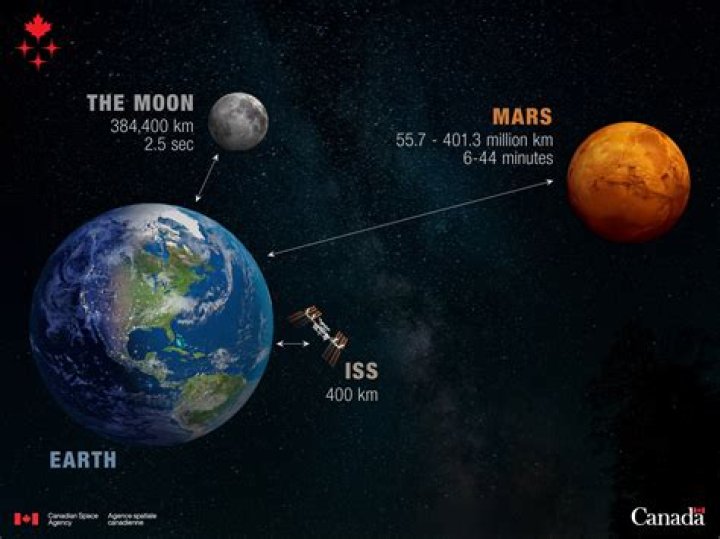
Understanding the distance of Mars to the Sun is a critical aspect of astronomy that has captivated scientists and space enthusiasts for centuries. As one of our closest planetary neighbors, Mars holds a unique position in our solar system, and its journey around the Sun provides valuable insights into the workings of celestial mechanics. In this article, we will delve into the fascinating details of Mars' orbit, its average distance from the Sun, and the implications of its position in our solar system.
The Red Planet, as Mars is often called, has long been a subject of fascination for astronomers and scientists. Its proximity to Earth and similarities in geological features make it a prime candidate for exploration. By studying the distance of Mars to the Sun, we can gain a deeper understanding of the planet's environment and potential for sustaining life.
From ancient civilizations observing Mars with the naked eye to modern space missions mapping its surface, the study of this planet continues to evolve. In this comprehensive guide, we will explore the intricacies of Mars' orbit, the factors influencing its distance from the Sun, and the significance of these findings in the broader context of space exploration.
Introduction to Mars
Mars, the fourth planet from the Sun, has been a focal point of astronomical research for centuries. Known for its reddish appearance, Mars is often referred to as the Red Planet due to the presence of iron oxide on its surface. This planet shares many similarities with Earth, such as polar ice caps, seasonal changes, and evidence of water in its past.
Key Features of Mars
- Mars has the largest volcano in the solar system, Olympus Mons.
- The planet's atmosphere is primarily composed of carbon dioxide.
- Mars experiences dust storms that can cover its entire surface.
Understanding the distance of Mars to the Sun is crucial in comprehending its climate, seasons, and potential for supporting life. This knowledge also plays a vital role in planning future space missions.
The Distance of Mars to the Sun
The average distance of Mars to the Sun is approximately 227.9 million kilometers (141.6 million miles). However, due to its elliptical orbit, this distance varies throughout the Martian year. At its closest point, known as perihelion, Mars is about 206.6 million kilometers (128.4 million miles) from the Sun. At its farthest point, aphelion, the distance increases to around 249.2 million kilometers (154.8 million miles).
Factors Affecting Mars' Distance
Several factors contribute to the variations in Mars' distance from the Sun:
- Elliptical Orbit: Mars follows an elliptical path around the Sun, causing fluctuations in its distance.
- Gravitational Interactions: The gravitational pull of other planets, particularly Jupiter, affects Mars' orbit.
- Solar Wind: The Sun's solar wind can slightly influence the planet's trajectory over time.
These factors make Mars' orbit dynamic and subject to change over long periods.
Orbital Characteristics of Mars
Mars' orbit around the Sun is characterized by several unique features that distinguish it from other planets in the solar system. Its orbital period, or the time it takes to complete one full revolution around the Sun, is approximately 687 Earth days. This means a year on Mars is almost twice as long as a year on Earth.
Additionally, Mars' axial tilt is similar to Earth's, resulting in seasons that last roughly twice as long as those on our planet. The combination of its orbital characteristics and distance from the Sun creates a diverse range of environmental conditions on Mars.
Comparison with Earth
When comparing the distance of Mars to the Sun with Earth's distance, several differences become apparent:
- Earth's average distance from the Sun is about 149.6 million kilometers (93 million miles).
- Earth's orbit is less elliptical than Mars', leading to smaller variations in distance.
- Earth's year is significantly shorter, lasting 365.25 days.
These differences highlight the distinct characteristics of each planet's orbit and their implications for climate and habitability.
Historical Discoveries About Mars
The study of Mars dates back thousands of years, with ancient civilizations such as the Egyptians and Babylonians documenting its movements across the night sky. However, it wasn't until the invention of the telescope in the 17th century that more detailed observations became possible.
Key milestones in the history of Mars exploration include:
- 1609: Galileo Galilei made the first telescopic observation of Mars.
- 1877: Asaph Hall discovered Mars' two moons, Phobos and Deimos.
- 1965: NASA's Mariner 4 spacecraft conducted the first successful flyby of Mars, providing close-up images of its surface.
These discoveries laid the foundation for modern Mars exploration.
Modern Exploration of Mars
Today, Mars exploration is at the forefront of space research. Numerous robotic missions have been sent to the Red Planet, including orbiters, landers, and rovers. These missions have provided invaluable data about Mars' geology, climate, and potential for past life.
Notable Missions
- Curiosity Rover: Launched in 2011, this rover has been exploring Gale Crater since 2012.
- Perseverance Rover: Launched in 2020, this mission focuses on searching for signs of ancient microbial life.
- InSight Lander: This mission studies the interior of Mars to better understand its formation and evolution.
These missions continue to expand our knowledge of Mars and its relationship with the Sun.
Implications for Space Travel
Understanding the distance of Mars to the Sun is essential for planning future space missions. The varying distances between Earth and Mars throughout their orbits create windows of opportunity for launching spacecraft. These windows, known as transfer windows, occur approximately every 26 months when the two planets are closest to each other.
Future human missions to Mars will require careful consideration of these factors, as well as the challenges posed by the planet's harsh environment. Advances in technology and research continue to bring us closer to achieving this ambitious goal.
Frequently Asked Questions
What is the average distance of Mars to the Sun?
The average distance of Mars to the Sun is approximately 227.9 million kilometers (141.6 million miles).
How long does it take Mars to orbit the Sun?
Mars takes approximately 687 Earth days to complete one orbit around the Sun.
Why is Mars called the Red Planet?
Mars is called the Red Planet due to the presence of iron oxide, or rust, on its surface, which gives it a reddish appearance.
Conclusion
In conclusion, the distance of Mars to the Sun plays a crucial role in shaping our understanding of this fascinating planet. From its elliptical orbit to its unique environmental conditions, Mars continues to captivate scientists and space enthusiasts alike. By studying Mars, we gain valuable insights into the workings of our solar system and the potential for life beyond Earth.
We encourage readers to leave comments, share this article, or explore other topics related to space exploration. Together, we can continue to expand our knowledge of the universe and the wonders it holds.
Sources
- NASA. (n.d.). Mars Facts. Retrieved from https://mars.nasa.gov/all-about-mars/
- ESA. (n.d.). Mars Express. Retrieved from https://www.esa.int/Science_Exploration/Space_Science/Mars_Express
- USGS. (n.d.). Gazetteer of Planetary Nomenclature. Retrieved from https://planetarynames.wr.usgs.gov/