The Fascinating History of the Rockefeller Tree: A Holiday Tradition
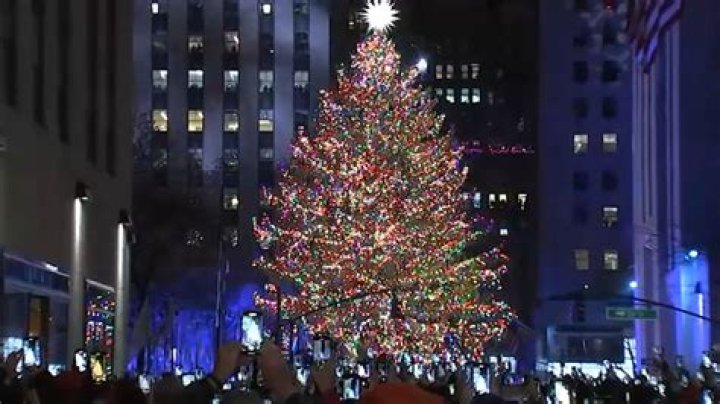
The Rockefeller Tree has become an iconic symbol of the holiday season in New York City, drawing millions of visitors annually to marvel at its grandeur and beauty. This Christmas tree, located in Rockefeller Center, holds a special place in the hearts of many, representing not just a festive decoration but a rich tapestry of history and tradition. As we delve into its storied past, we will uncover the fascinating evolution of this beloved landmark.
Since its inception during the Great Depression, the Rockefeller Tree has stood as a beacon of hope and resilience. It has witnessed the transformation of New York City over the decades, adapting to changing times while maintaining its core essence as a symbol of unity and celebration. The tree's history is intertwined with the city's own narrative, making it an integral part of American cultural heritage.
In this article, we will explore the origins of the Rockefeller Tree, its significance throughout the years, and the intricate details that make it a must-see attraction. From its humble beginnings to its current status as a global icon, the story of this tree is one of perseverance, innovation, and the enduring spirit of the holiday season.
The Origin of the Rockefeller Tree
The First Tree at Rockefeller Center
The tradition of the Rockefeller Tree began in 1931, during the construction of Rockefeller Center. Workers on the site decided to erect a modest Christmas tree as a gesture of hope and solidarity amidst the economic hardships of the Great Depression. This first tree, though small and undecorated, became a symbol of resilience and community spirit. It marked the beginning of what would later evolve into one of the world's most famous holiday traditions.
As the construction of Rockefeller Center progressed, the tree became an annual feature, gradually growing in size and splendor. By the late 1930s, the tree had become an integral part of the center's holiday festivities, attracting visitors from all over the city and beyond.
The Tree During the Great Depression
A Symbol of Hope in Hard Times
During the Great Depression, the Rockefeller Tree stood as a beacon of hope for many Americans. In a time of widespread economic hardship, the tree represented the possibility of better days ahead. Its presence in the heart of New York City served as a reminder of the enduring human spirit and the power of community to overcome adversity.
The tree's role as a symbol of hope was further solidified by the elaborate lighting ceremonies that began in 1933. These ceremonies drew large crowds, eager to witness the transformation of the tree into a dazzling spectacle of light and color. The tradition of lighting the tree has continued ever since, becoming a beloved ritual that kicks off the holiday season.
The War Years and the Tree's Evolution
The Rockefeller Tree in Wartime
During World War II, the Rockefeller Tree took on new significance as a symbol of national unity and resilience. Despite wartime restrictions on materials and resources, the tree continued to be a focal point of holiday celebrations. In 1944, the tree was adorned with simple red, white, and blue lights, reflecting the patriotic spirit of the time.
The post-war years saw the tree grow in size and grandeur, with increasingly elaborate decorations and lighting displays. The tree became a symbol of prosperity and renewal, marking the nation's recovery from the war and its emergence as a global superpower.
Modern-Day Celebrations
The Global Icon of Christmas
In recent decades, the Rockefeller Tree has become a global icon of the Christmas season. Broadcasts of the tree lighting ceremony reach millions of viewers around the world, showcasing the tree's majestic beauty and the festive atmosphere surrounding it. The ceremony has evolved into a major event, featuring performances by renowned artists and celebrities.
Today, the Rockefeller Tree stands as a testament to the enduring appeal of holiday traditions. Its annual appearance in Rockefeller Center continues to draw crowds of visitors, eager to experience the magic of the season firsthand.
Tree Selection Process
Choosing the Perfect Tree
The selection of the Rockefeller Tree is a meticulous process that begins months in advance. Arborists and tree experts carefully evaluate potential candidates, looking for a tree that meets strict criteria for size, shape, and health. The chosen tree is typically a Norway spruce, known for its dense foliage and symmetrical form.
Once selected, the tree undergoes a journey from its original location to Rockefeller Center. This journey often involves careful planning and coordination, as the tree must be transported in a way that ensures its safety and integrity. Upon arrival, the tree is carefully installed and decorated, ready to take its place as the centerpiece of the holiday season.
Sustainability and Environmental Impact
Going Green with the Rockefeller Tree
In recent years, there has been a growing emphasis on sustainability in the preparation and display of the Rockefeller Tree. Efforts have been made to reduce the environmental impact of the tree, from the use of energy-efficient LED lights to the recycling of the tree after the holiday season.
After the holiday season concludes, the tree is donated to a local charity or organization for use in construction projects or as mulch. This commitment to sustainability ensures that the legacy of the Rockefeller Tree extends beyond its brief appearance in Rockefeller Center.
Traditions Surrounding the Tree
Customs and Rituals
The Rockefeller Tree is surrounded by a host of traditions and rituals that have developed over the years. From the lighting ceremony to the various events and activities held in its vicinity, the tree is at the heart of many cherished holiday traditions.
- The annual lighting ceremony, broadcast to millions around the world.
- Ice skating under the tree at the Rockefeller Center rink.
- Visits to the Radio City Music Hall Christmas Spectacular.
- Shopping and dining at the nearby stores and restaurants.
Famous Rockefeller Trees Through the Years
Notable Trees in History
Throughout its history, the Rockefeller Tree has featured some truly remarkable specimens. Some of the most famous trees include:
- The 1999 tree, a 100-foot Norway spruce from Killingworth, Connecticut, that set a new height record.
- The 2005 tree, which was adorned with over 30,000 LED lights, marking the first use of energy-efficient lighting on the tree.
- The 2018 tree, a massive 72-foot Norway spruce from State College, Pennsylvania, that was lit with over 50,000 lights.
Interesting Facts About the Rockefeller Tree
Fun and Fascinating Details
Here are some interesting facts about the Rockefeller Tree:
- The tree typically stands between 70 and 90 feet tall and weighs around 10 to 12 tons.
- It is decorated with over 50,000 LED lights and a Swarovski star at the top.
- The lighting ceremony is one of the most watched holiday events in the world, with millions tuning in annually.
The Future of the Rockefeller Tree
Looking Ahead
As we look to the future, the Rockefeller Tree will undoubtedly continue to evolve, adapting to new technologies and changing times while maintaining its core traditions. The commitment to sustainability and innovation ensures that the tree will remain a relevant and meaningful symbol of the holiday season for generations to come.
In conclusion, the history of the Rockefeller Tree is a testament to the enduring power of tradition and community. From its humble beginnings during the Great Depression to its current status as a global icon, the tree has captured the hearts and imaginations of people worldwide. We invite you to share your thoughts and experiences in the comments below, and to explore other fascinating articles on our site.